Gravelrings
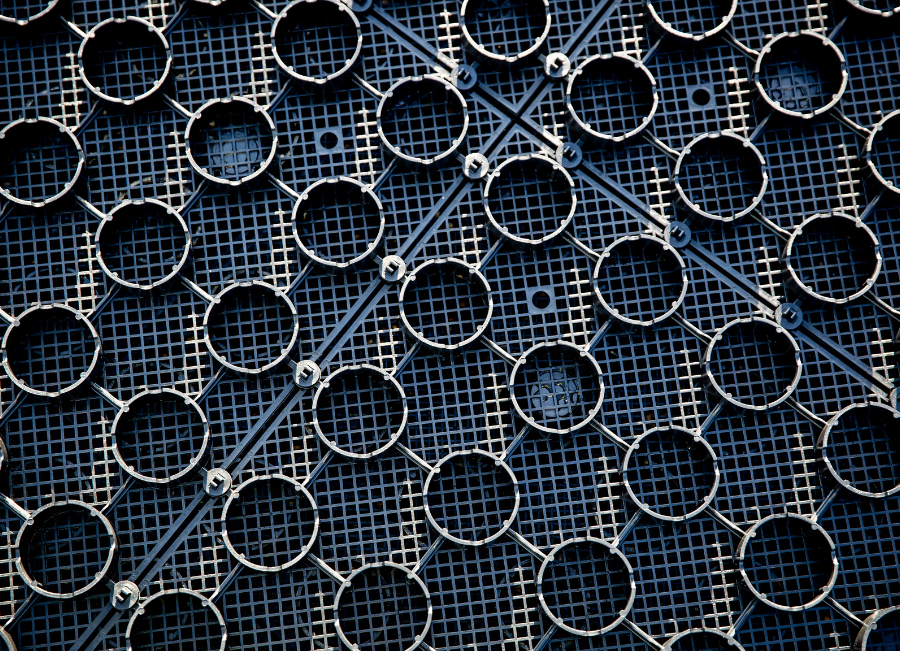
Gravel grid system
The driveway has always been more than just a place to park the car. It is the introduction to your home and the first thing guests see when they arrive. As we look ahead to 2026, the priorities for driveway design are shifting significantly. Homeowners and architects are moving away from stark, industrial surfaces in favour of finishes that feel softer, more natural, and sympathetic to the surrounding landscape.
Yet, this shift towards natural aesthetics does not mean a compromise on performance. The most exciting trends for 2026 combine traditional materials with advanced, hidden engineering. We are seeing a demand for driveways that handle heavy modern vehicles and unpredictable weather while maintaining a timeless appearance. Sustainability is no longer an optional extra but a core requirement, with permeable surfaces becoming the standard for responsible landscaping.
Whether you are renovating a period property or designing a contemporary new build, the focus is on creating spaces that work harder while looking effortless. Here are the top five driveway trends set to shape 2026.
For years, block paving and solid concrete dominated the residential landscape. However, 2026 is all about a return to softer, organic textures that blend seamlessly with gardens and planting schemes. Gravel driveways are seeing a massive resurgence as homeowners seek to break up the hard lines of modern architecture with something more fluid and textural.
The appeal of natural stone lies in its versatility. From warm, golden shingle that complements Cotswold stone cottages to cool grey granite chippings for modern urban homes, natural aggregates offer a palette that manufactured materials simply cannot replicate. This trend is driven by a desire for ‘biophilic’ design, where the boundary between the built environment and nature is softened.
Using loose aggregate does not just improve the visual appeal of a property. It also adds a satisfying audible crunch underfoot and tires, which has long been considered a subtle security feature for rural homes. The key to this trend in 2026 is ensuring the finish remains crisp and tidy, moving away from the messy, migrating piles of stone associated with older gravel drives.
Perhaps the most significant shift in driveway construction is the move towards ‘invisible’ engineering. In the past, ground reinforcement often meant visible concrete grass pavers or plastic grids that were clearly exposed at the surface. The design philosophy for 2026 is different. Homeowners want the strength of a reinforced surface without seeing the mechanics behind it.
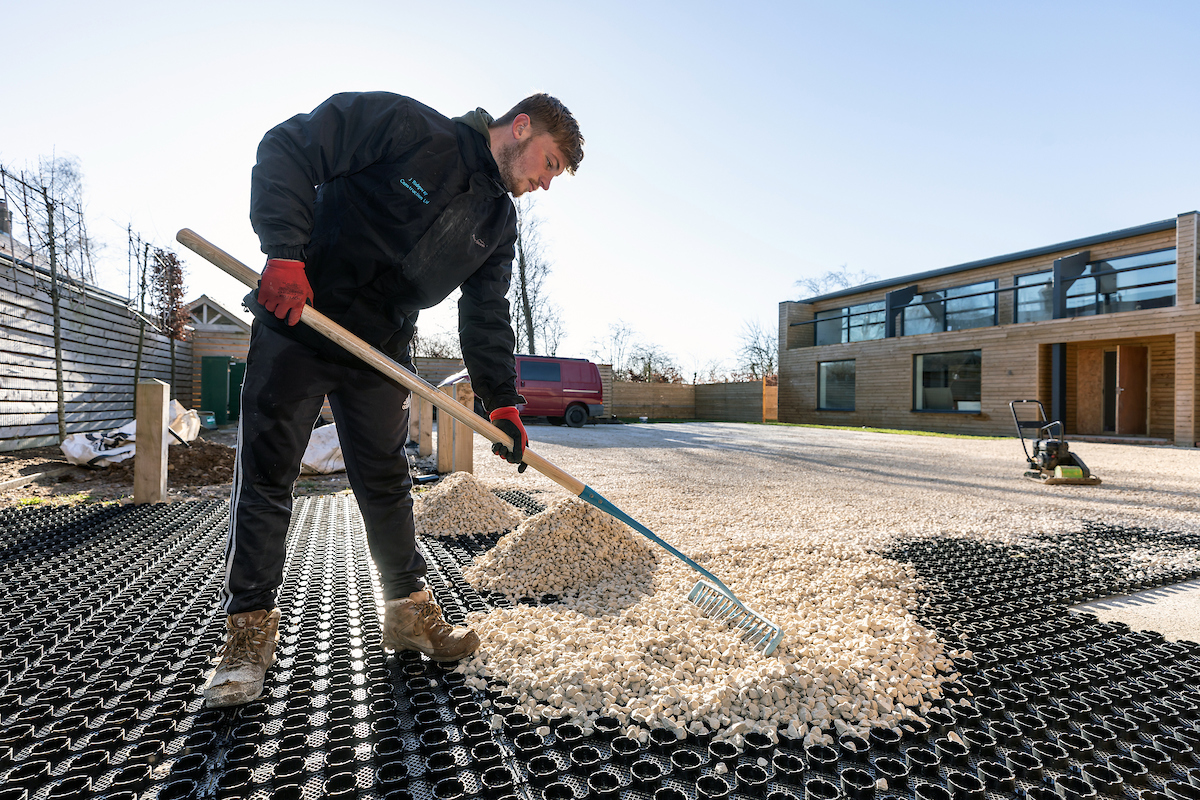
This is where hidden driveway systems come into their own. These advanced solutions are installed beneath the surface layer to provide immense load-bearing capacity while remaining completely unseen. The goal is to create a flawless finish where the gravel or grass appears to sit naturally on the ground, yet offers the stability of a paved surface.
For architects and specifiers, this trend solves a major headache. It allows for the specification of natural surfaces in high-traffic areas without the risk of rutting or sinking. By using a high-quality gravel grid system that is designed to be covered, you can achieve a driveway that looks traditional but performs like a modern engineered road. The focus is entirely on the aesthetic of the stone or the vibrancy of the grass, rather than the structure supporting it.
Sustainability is influencing every aspect of construction, and driveways are no exception. With climate patterns changing and heavy rainfall becoming more frequent, the ability of a driveway to manage water is critical. Solid, impermeable surfaces like tarmac or concrete contribute to surface water runoff, which can overwhelm local drainage systems and increase flood risk.
In 2026, sustainable driveways are those that work with the environment rather than against it. Permeable surfaces are becoming the norm, often required by planning regulations for new driveway installations. This trend favours systems that allow rainwater to drain naturally through the surface profile and back into the water table.
Gravel and reinforced grass are naturally permeable choices that tick this box perfectly. However, simply dumping stone on the ground is not enough. The sub-base and the retention system must also be designed to facilitate drainage. We are seeing a move towards intelligent installation methods that combine SuDS (Sustainable Drainage Systems) compliance with high-end design. This approach ensures that a driveway is not just a parking space but an active part of the property’s flood management strategy.
While the look of natural stone is desirable, the maintenance traditionally associated with it is not. Historically, gravel driveways required regular raking to smooth out ruts and frequent top-ups of stone that had migrated into the road or garden borders. The modern homeowner in 2026 values time and convenience, driving a trend for low-maintenance solutions that do not sacrifice character.
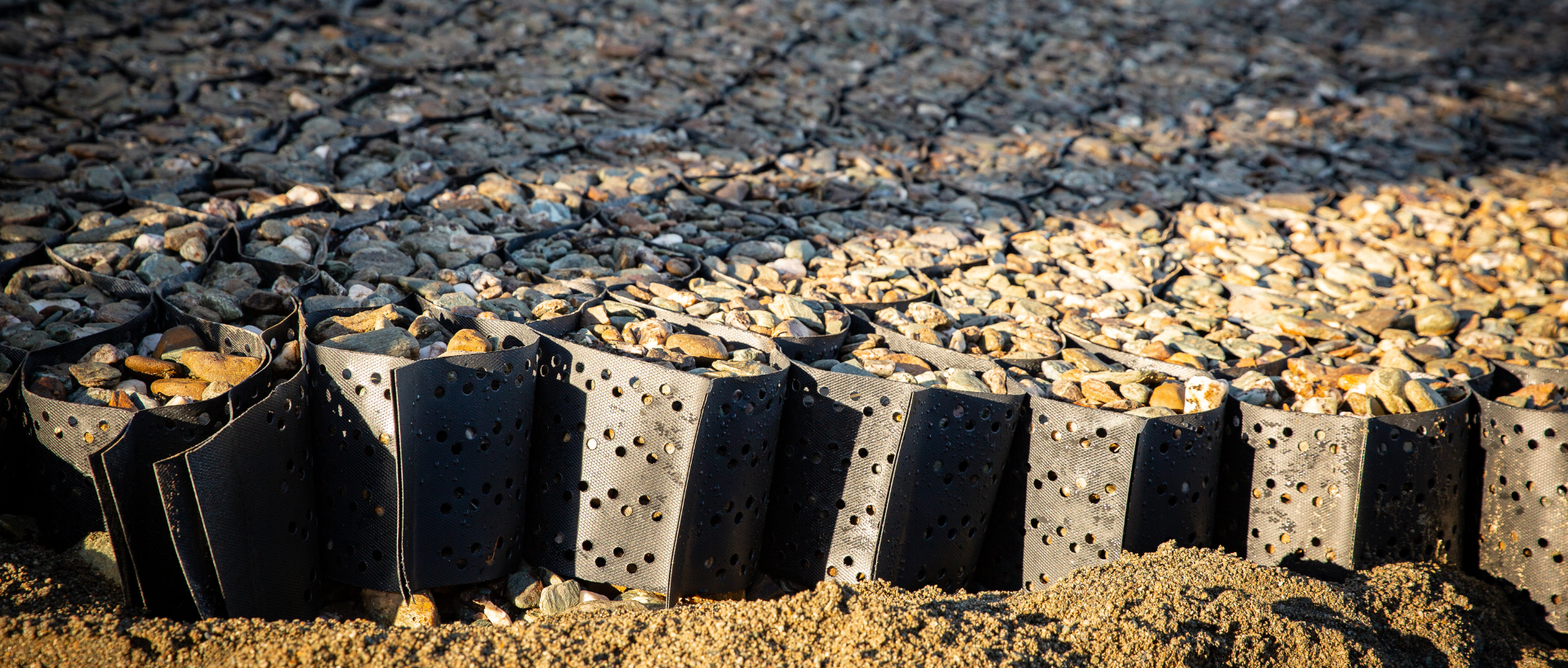
The solution lies in smarter surface stability. By utilising effective gravel grid systems, the movement of stone is virtually eliminated. This technology locks the aggregate in place, preventing the formation of grooves and mounds caused by tyre turning. The result is a surface that remains flat and uniform with minimal intervention.
This trend is particularly relevant for those with multiple vehicles or heavier SUVs, which can quickly destroy a standard loose gravel drive. Homeowners are increasingly looking for ‘fit and forget’ systems. They want the charm of a heritage driveway but with the reliability of asphalt. This demand for stability is pushing the industry towards robust, professional-grade reinforcement grids that guarantee a consistent finish year after year.
Achieving this low-maintenance ideal requires moving beyond the simple application of loose stone. By integrating a high-performance gravel grid with membrane, homeowners can ensure that aggregate stays permanently separated from the sub-base while simultaneously suppressing invasive weed growth. These advanced gravel driveway grids provide a stable, interconnected structure that effectively resists the torque of turning wheels, meaning the surface remains as level as a paved road without the constant need for manual raking. By locking the stones firmly in place, these systems preserve the crisp aesthetic of the property, ensuring that the natural textures popular in 2026 are matched by modern structural reliability.
There is a growing appreciation for heritage and period aesthetics, even in new developments. The fifth key trend for 2026 is the seamless blending of classic looks with modern capabilities. Driveways are being designed to enhance the architectural era of the property, avoiding materials that feel jarring or anachronistic.
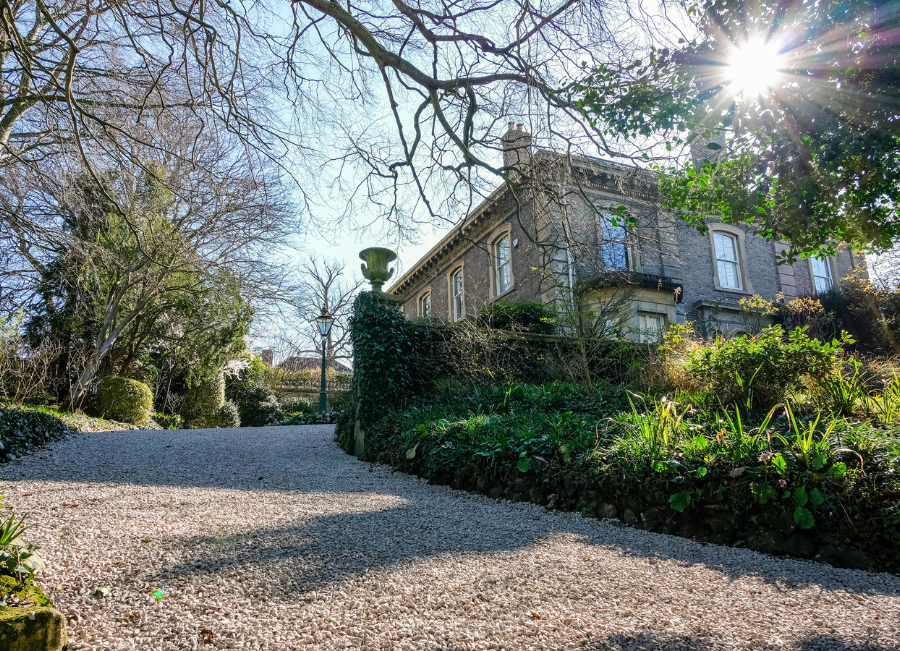
For a Georgian rectory or a Victorian terrace, a bright tarmac drive can detract from the building’s character. Conversely, a gravel surface feels historically appropriate. The challenge has always been that traditional construction methods struggle to cope with the weight and frequency of modern traffic.
The trend now is to use hidden reinforcement technology to bridge this gap. This allows for the installation of classic gravel or grass driveways that can withstand the daily use of delivery vans and family cars without degrading. It is about respecting the past while building for the future. We are seeing a move towards distinct edging and defined borders using materials like steel or aluminium, providing a crisp, contemporary frame for traditional surface finishes. This juxtaposition of old and new creates a timeless look that feels established yet impeccably maintained.
The driveway trends for 2026 reflect a wider shift in how we view our homes. There is a clear desire to retreat from the concrete jungle and embrace materials that feel grounded and authentic. Natural stone and reinforced grass are leading the way, offering a softer visual appeal that benefits local biodiversity and drainage.
However, aesthetics are only half the story. The true innovation lies beneath the surface. The adoption of hidden systems and smarter engineering ensures that these beautiful finishes are practical for modern life. By stabilising loose materials and managing rainwater effectively, homeowners can enjoy a driveway that is durable, sustainable, and consistently beautiful.
Whether you are planning a complete renovation or a simple refresh, choosing a system that prioritises long-term stability will ensure your driveway remains a stunning introduction to your home for years to come.
To explore professional landscaping systems that deliver a forever perfect finish, visit Beauxfort.