Gravelrings
Gravel grid system
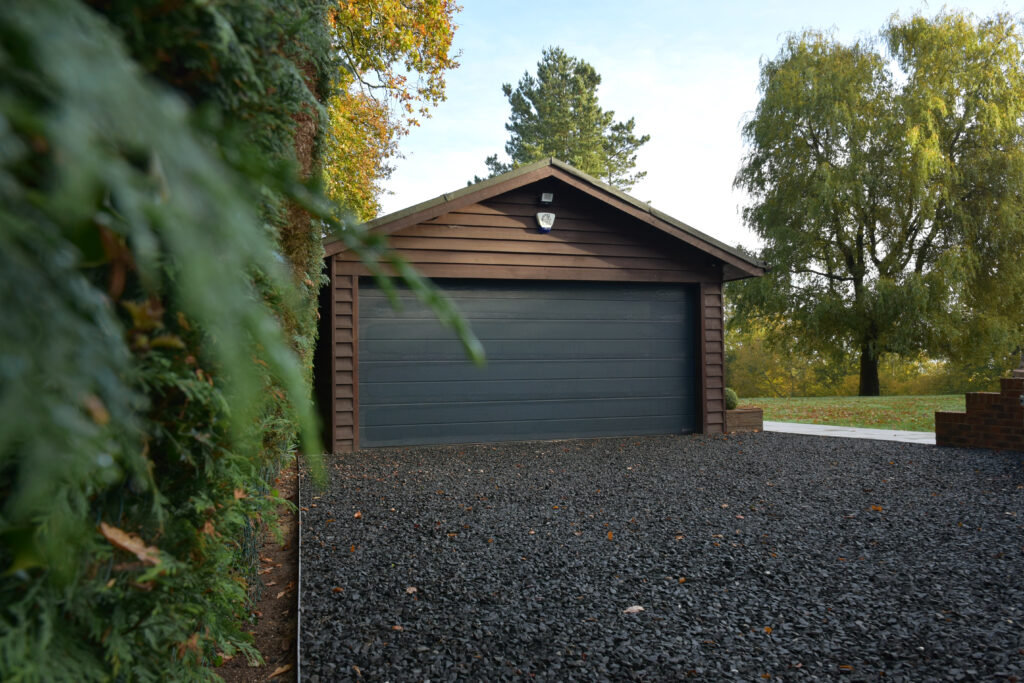
Gravel driveways remain one of the most popular choices for UK homeowners. They are cost-effective, permeable, and offer a classic finish that suits a wide range of properties. But one frustration comes up again and again: stones that refuse to stay put. Gravel migration is a common problem, and edging is often the first solution people reach for. The right gravel driveway edging makes a genuine difference, but it works best as part of a wider approach to driveway construction rather than a standalone fix.
Vehicle tyres, foot traffic, rainfall, and sloping ground all contribute to gravel movement. Over time, stones are pushed away from their original position, leading to uneven surfaces and messy borders.
Poor installation can make the problem worse. An inadequate sub-base, incorrect gravel depth, or lack of stabilisation allows gravel to shift more easily. While edging helps define the perimeter, it cannot solve every issue on its own.
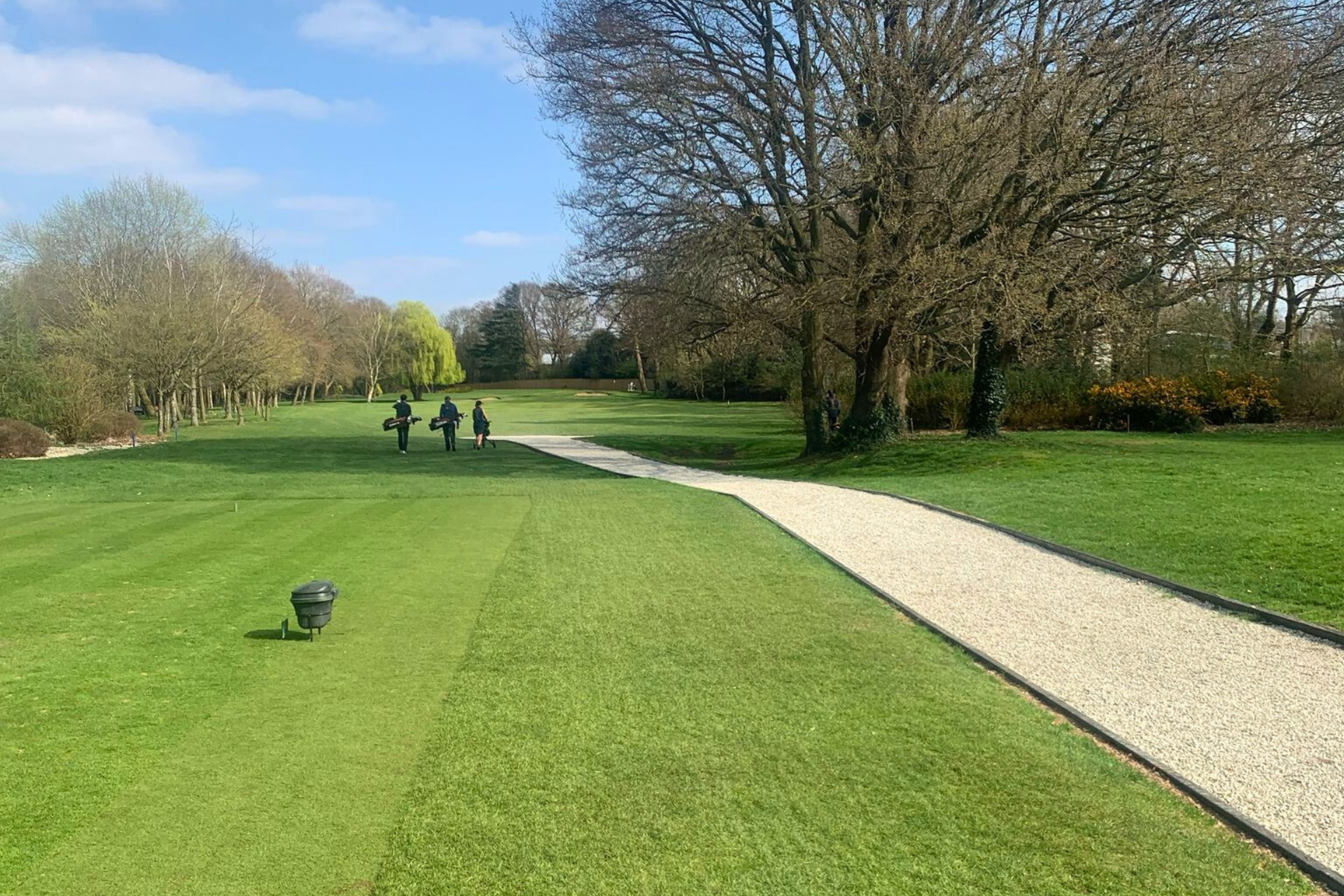
Gravel driveway edging creates a physical boundary that helps contain stones and maintain a neat appearance. It prevents gravel from spreading into adjacent landscaping while making routine maintenance easier.
A well-designed edge also improves kerb appeal by creating a clean separation between the driveway and surrounding areas.
There is no single material that suits every project, so it is worth understanding what each option offers before making a decision.
Metal edging is one of the most widely used choices. Steel and aluminium profiles sit low to the ground, creating a slim, modern border. Metal edging is durable, resistant to vehicle pressure, and requires very little maintenance. It suits contemporary properties well, though it may feel too industrial for more traditional settings.
Stone edging adds a natural, robust boundary that blends well with rural and period properties. Natural stone kerbs or setts are long-lasting and visually appealing. Stone driveway edging handles vehicle pressure well, though it typically involves a higher installation cost and requires professional fitting to ensure stability.
Brick edging offers a traditional, neat finish. Brick is versatile enough to complement both modern and period homes, and it can be laid in a range of patterns to suit the design. It is durable when properly bedded in mortar, though the pointing may need occasional attention over the years.
Timber edging is an affordable option that works well for more relaxed or rural settings. Treated softwood or hardwood sleepers can create a rustic boundary, but timber is the least durable of these materials. It is susceptible to rot, especially in wet conditions, and will need replacing more frequently than stone or metal alternatives.
Concrete edging provides a solid, low-maintenance border. Precast concrete kerbs are widely available, straightforward to install, and hold their position under regular vehicle use. The appearance is functional rather than decorative, which suits utilitarian or commercial settings more than front residential driveways.
Metal, stone, concrete, and brick all perform well under regular vehicle use and changing weather conditions. Timber typically requires more maintenance and replacement over time.
Important considerations include:
Edging for gravel driveway projects helps contain material at the boundaries, but it does not prevent movement across the surface itself.
Vehicle tyres continually displace gravel, creating wheel tracks and uneven patches. Over time, rutting develops and the driveway becomes increasingly difficult to maintain. These problems occur within the surface area rather than at the edges.
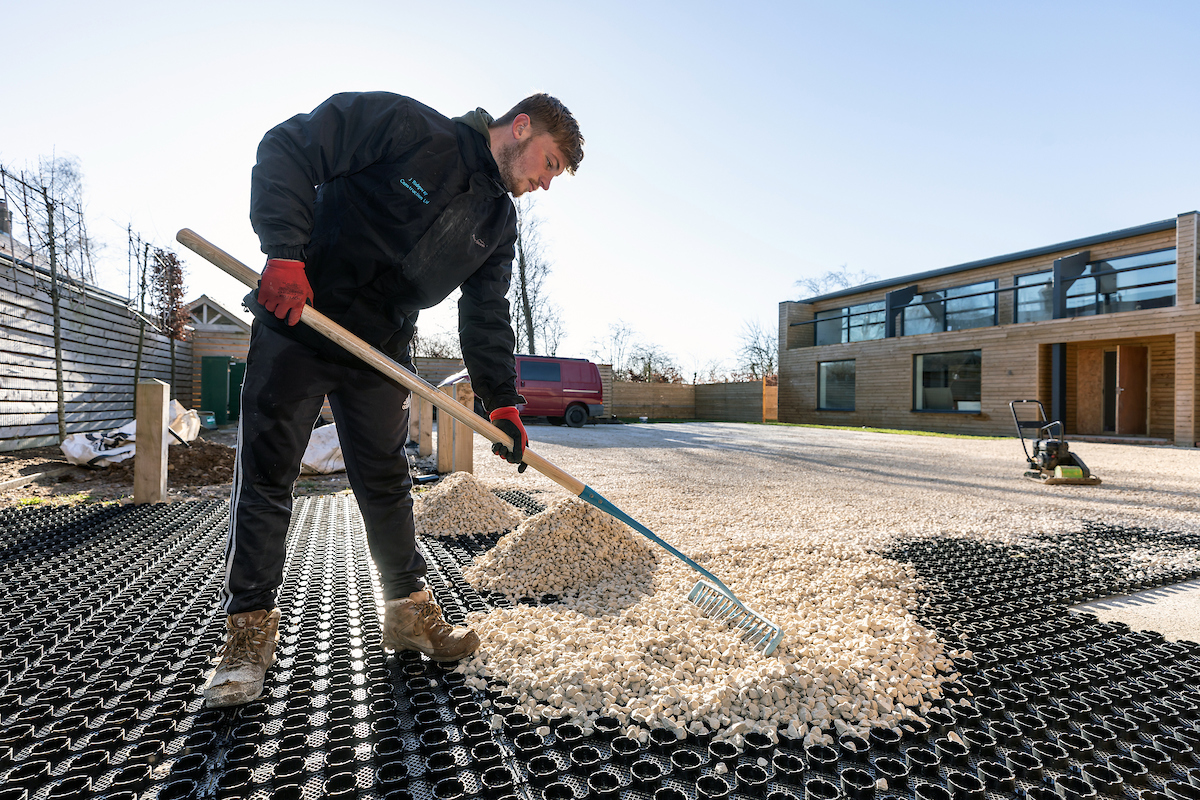
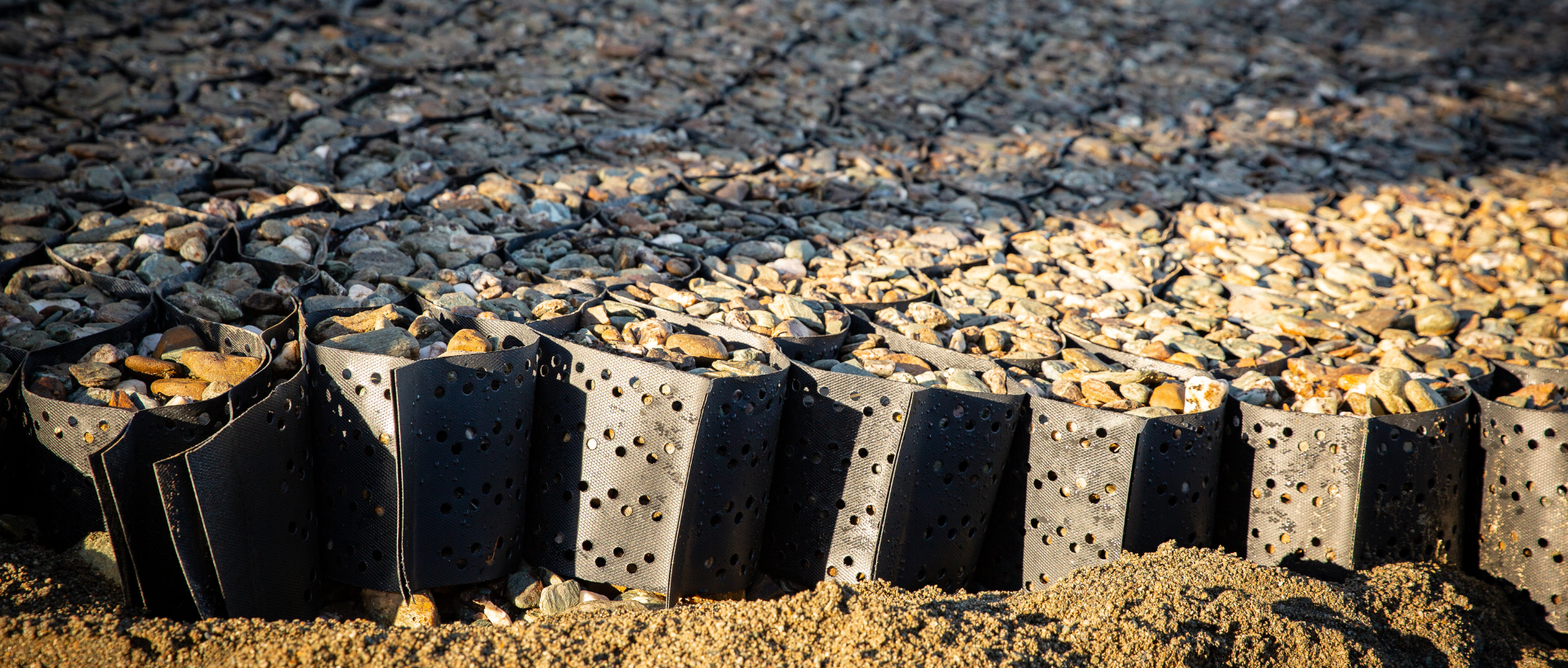
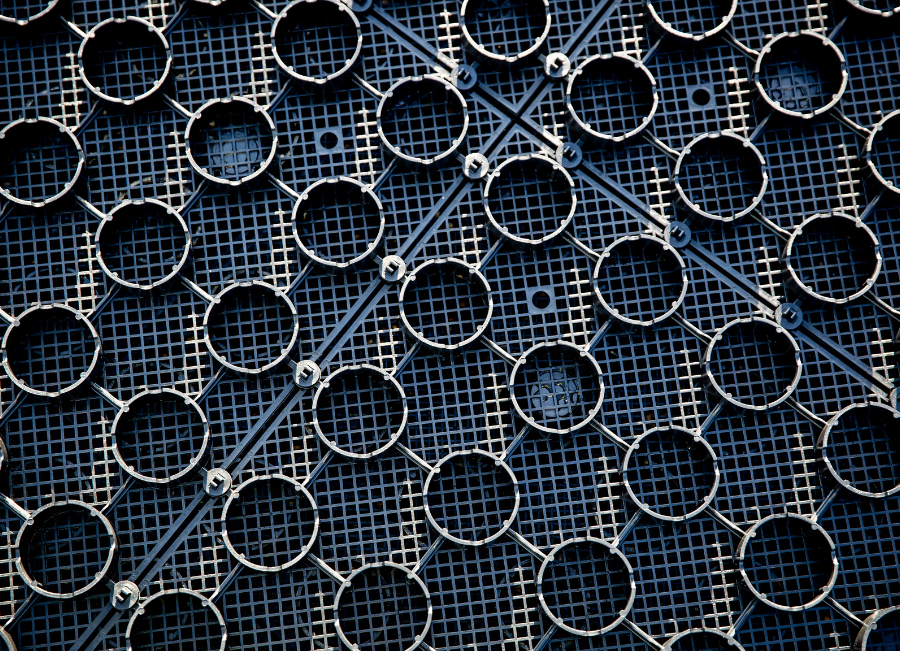
A gravel grid system addresses the problem that edging alone cannot solve. Grids are installed within the driveway area, beneath the gravel surface, and lock stones into individual cells. This prevents horizontal movement across the driveway, distributes vehicle loads more evenly, and significantly reduces rutting.
When a gravel grid system is combined with appropriate edging, the two elements work in a complementary way. The grid stabilises the surface across the full area of the driveway, while the edging defines and protects the perimeter. Together, they produce a driveway that retains its shape and appearance far more effectively than either element would alone.
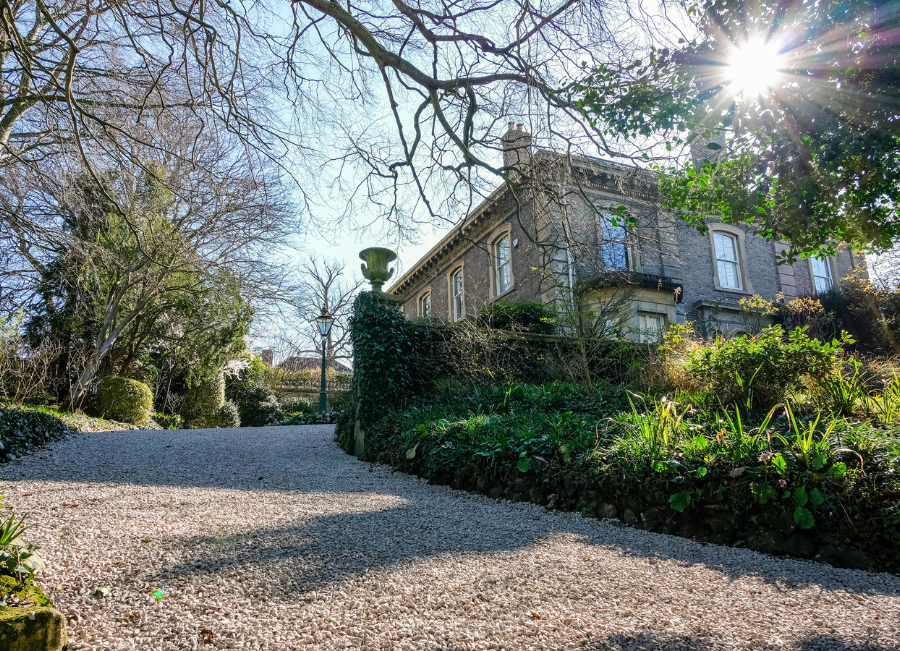
Hidden gravel grid systems, such as those produced by Beauxfort, sit below the surface, meaning the finished result looks like a traditional loose gravel driveway while performing considerably better.
Although edging creates a clear boundary, the overall performance of a driveway also depends on what lies beneath the surface. A professionally designed foundation, combined with high-quality stabilisation, helps reduce long-term movement while maintaining an attractive finish. Many installers now combine discreet border restraints with a plastic grid for gravel to improve load distribution and minimise surface displacement caused by regular vehicle use. This integrated approach supports a more stable driveway while preserving the appearance of traditional loose aggregate. For projects where natural drainage is important, pairing the grid with a well-constructed permeable sub base allows rainwater to infiltrate efficiently, helping reduce surface water accumulation and supporting sustainable driveway design. Together, these components create a durable, low-maintenance solution that continues to perform well through changing weather conditions and everyday traffic.
Matching gravel edging to the character of a property and the demands of the site makes a significant difference to the long-term result.
Traditional or period properties generally suit stone sets, brick, or timber edging. These materials complement older architectural styles and blend well with established garden planting. Contemporary homes tend to benefit from the clean lines of metal or concrete edging, which provides a defined, minimal finish.
Large driveways and commercial applications call for materials that can handle heavier use. Metal and concrete are the practical choices here, offering consistent performance without high maintenance demands. For smaller residential projects, budget and aesthetics often carry more weight in the decision.
A gravel driveway that performs well over the long term is the result of careful planning from the outset. Choosing appropriate materials for the sub-base, selecting the right stone depth, and installing suitable edging all contribute to the overall result. Skipping any of these steps tends to create problems that become expensive to correct later.
Combining proper edging with a gravel stabilisation system gives a driveway the best chance of remaining stable, permeable, and attractive through years of regular use. It is an approach that suits both new installations and renovations of existing surfaces.
Edging matters, but it is one component within a larger system. Getting the full picture right from the beginning saves time, effort, and cost in the long run.
Choosing the right materials, preparing the ground properly, and combining edging with effective stabilisation gives any gravel driveway a far stronger foundation. Different edging materials suit different projects, budgets, and property styles, but the principle remains the same: long-term performance depends on more than just a border. To learn more about hidden gravel grid systems and practical solutions for creating stable, attractive gravel surfaces, visit https://beauxfort.com/