
Gravelrings
Gravel grid system
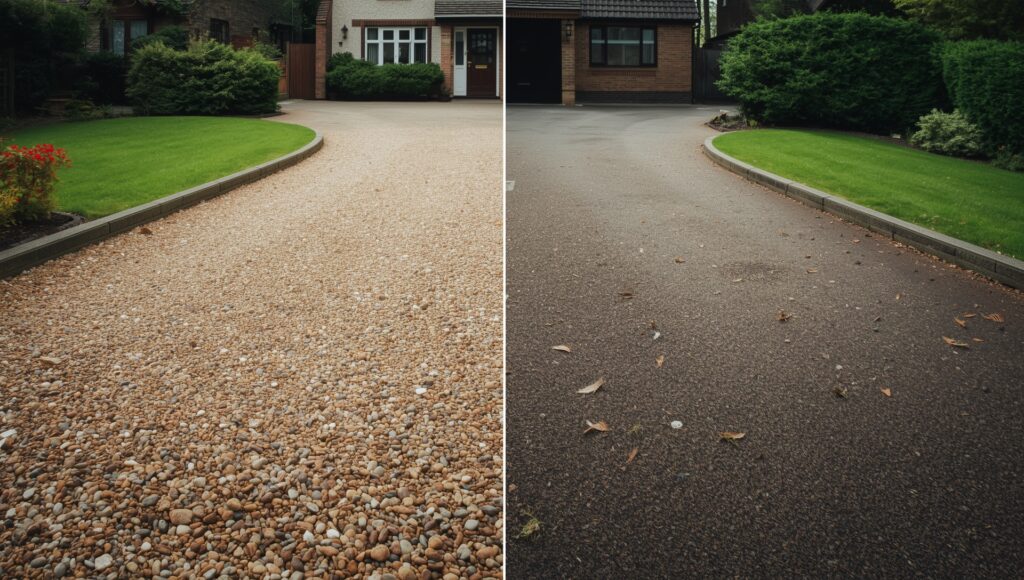
When investing in a new driveway, the immediate visual impact is often the priority. Yet, for many UK homeowners, the real test of a successful installation isn’t how it looks on day one, but how it ages over the next decade.
The debate between loose gravel and resin bound surfacing is common. Both offer significant upgrades over plain tarmac or block paving, and both have distinct aesthetic qualities. However, as trends shift towards sustainable, adaptable design, the definition of “timelessness” is becoming a crucial factor in decision-making.
Choosing between the two requires looking beyond the initial installation. It involves understanding how materials weather, how easily they can be maintained, and whether the surface will complement your property as it matures.
In the context of landscaping and exterior design, a timeless feature is one that refuses to date. It is an element that sits comfortably alongside the architecture of the house, regardless of whether the property is a Victorian terrace or a modern new build.
A timeless driveway needs to age gracefully. It should not require constant, heavy-handed intervention to maintain its character. Crucially, it must be adaptable. Trends change, and a surface that looks ultra-modern today might feel stark or dated in ten years. A truly timeless design works across eras and styles, offering a visual anchor rather than a distraction.
Gravel has been a staple of British landscaping for centuries, and its popularity endures for good reason. It offers a softness and texture that harder surfaces struggle to replicate.
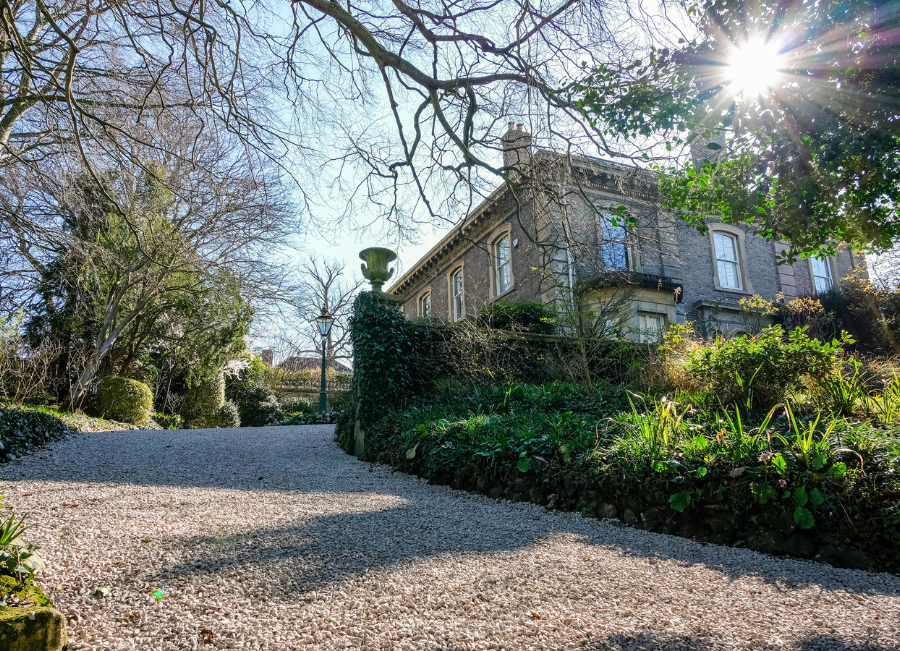
The primary appeal of gravel lies in its natural variation. Because it is a loose aggregate, it captures light and shadow in a way that solid surfaces do not. There is also an immense range of stone types available, from golden gravel to slate grey chippings. This allows homeowners to match the driveway tone specifically to the brickwork or rendering of their property.
Perhaps the most signification advantage of gravel driveways is its ability to age naturally within its surroundings. Over time, gravel settles subtly into the landscape rather than showing visible cracking or surface deterioration, helping it retain a timeless appearance that resin-bound surfaces can struggle to maintain.
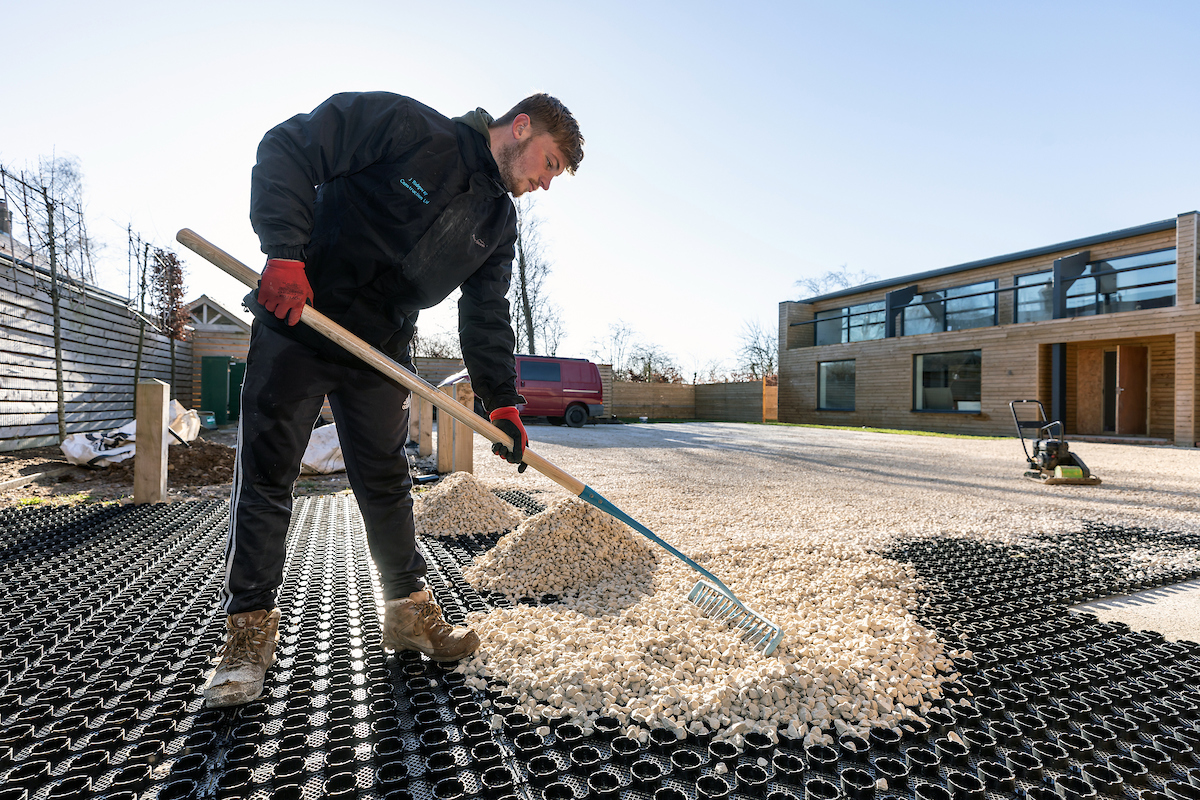
Historically, the main drawback of gravel was migration; stones moving under tyres or foot traffic. Modern solutions have largely mitigated this. Installing a reinforced gravel grid system creates a stable, retention-focused surface. This technology keeps the aggregate in place, providing the firm, level finish of a hard surface while retaining the permeable, textured aesthetic of natural stone.
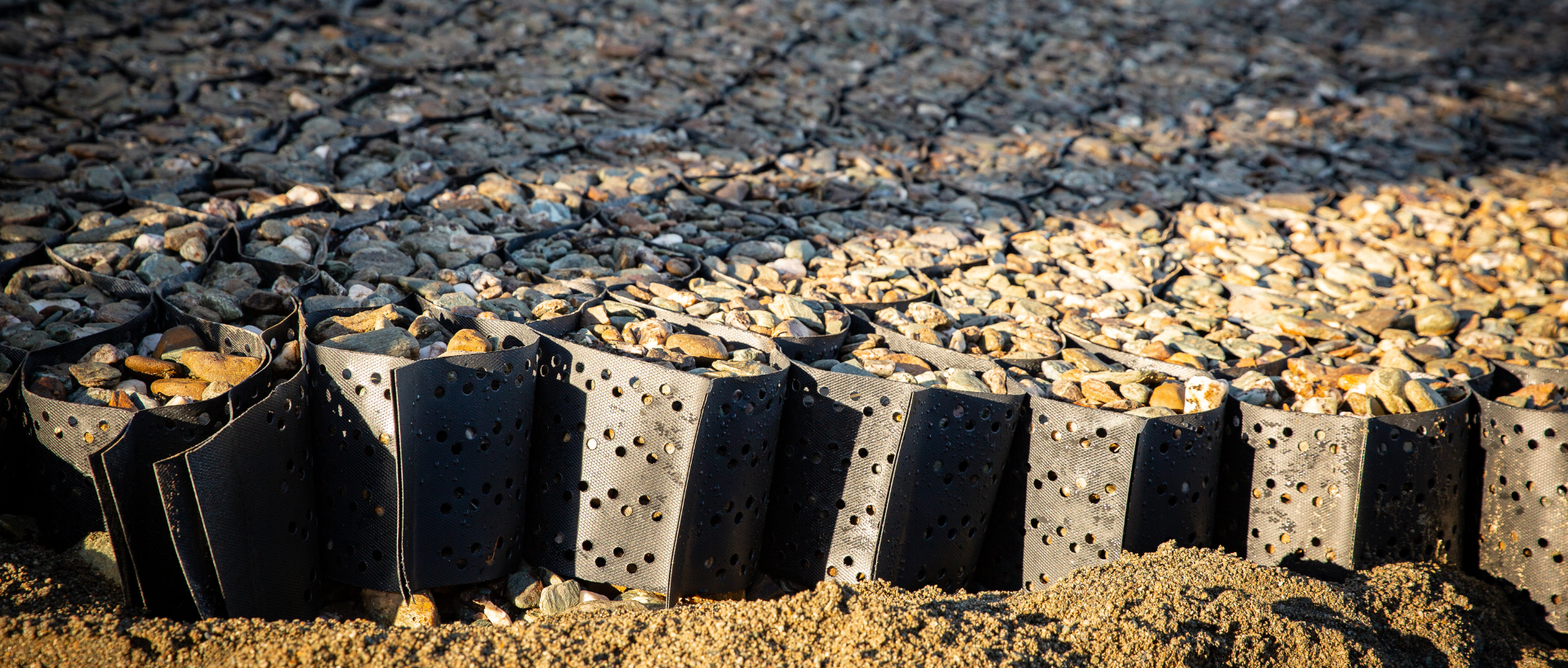
To achieve a truly durable finish, the physical structure supporting the aggregate is just as important as the stone itself. Unlike resin, which can crack under pressure or ground shift, a high-quality plastic grid for gravel provides a flexible but incredibly strong framework that adapts to subtle movements without surface failure. While some market alternatives utilise a gravel grid with membrane, Beauxfort’s system is engineered with a specialised mesh base. This plastic mesh is designed to stabilise the ground while facilitating superior drainage and preventing the silt accumulation often caused by fabric backings—which can inadvertently encourage weed growth by trapping moisture and organic matter. By choosing an integrated mesh design over a traditional fabric layer, homeowners ensure that stones remain locked in place to prevent migration while maintaining a clear, free-draining profile that consistently outperforms rigid synthetic or inferior membrane-backed alternatives.
Resin bound driveways have seen a surge in popularity over the last two decades. They offer a sleek, uniform finish where aggregate is mixed with a clear resin and trowelled onto a base.
Resin bound surfaces are undeniably smart. They provide a perfectly smooth finish that is ideal for accessibility and creates a crisp, modern boundary. For contemporary properties with sharp lines and minimalist landscaping, resin can be a fitting choice.
While resin looks pristine immediately after installation, its fixed nature can be a disadvantage over time. Unlike loose gravel, resin is a rigid system. If the surface is damaged; perhaps by oil spills, heavy impact, or sub-base movement then repairs are difficult to hide. A patch repair in a resin driveway will almost always be visible, disrupting the seamless look.
Furthermore, while UV-stable resins are available, all synthetic surfaces weather over time. Sun exposure can lead to gradual discolouration, and glossier finishes may dull, making areas of wear more noticeable and potentially requiring costly repairs or even full resurfacing.
The true measure of a timeless finish is performance over five, ten, or fifteen years.
Beyond aesthetics, functionality plays a huge role in the longevity of a driveway. UK planning regulations push heavily for SuDS (Sustainable Drainage Systems) compliance to manage surface water runoff.
Both gravel and resin bound driveways are permeable, meaning water drains through them rather than pooling on the surface or overwhelming street drains. This is critical in the UK, where surface water flooding is a growing concern. According to the National Infrastructure Commission, around 325,000 properties in England are currently in areas at the highest risk of surface water flooding.
While both handle water well, gravel systems often offer faster, more direct infiltration. Resin bound systems rely on the small voids between stones remaining clear of silt and dirt to function effectively. If these voids become clogged over time, drainage capacity can reduce, potentially leading to surface water issues that gravel systems typically avoid due to their looser structure.
Creating a timeless driveway is about balancing immediate visual appeal with long-term practicality. While resin bound driveways offer a sleek, modern finish, their fixed nature and potential repair issues can limit their lifespan as a pristine feature.
Gravel driveways, particularly when stabilized with engineered grid systems, offer a solution that accommodates change. They age naturally, allow for invisible repairs, and provide a classic texture that suits almost any architectural style. For homeowners looking for a finish that will remain functional and attractive for decades, natural aggregate often proves to be the most prudent choice.