Gravelrings
Gravel grid system
Driveway stability and drainage depend heavily on the foundation system beneath the gravel surface. When building or upgrading an outdoor parking space, the visible stones are only a small part of the equation. The hidden base layers dictate whether the surface will last for decades or deteriorate within months.
Many homeowners struggle with persistent issues when laying new surfaces. Weed growth quickly turns a pristine driveway into a maintenance nightmare. Gravel migration causes deep ruts, leaving bare patches that look untidy and make walking difficult. Furthermore, poor drainage can lead to surface water pooling, while uneven surfaces create tripping hazards and an unstable base for vehicles.
To solve these common problems, contractors and homeowners must choose the right foundation. The decision often comes down to two main approaches: using a gravel grid with membrane or relying on a traditional layered build. Understanding the differences between these two methods is vital for ensuring a durable and attractive result.
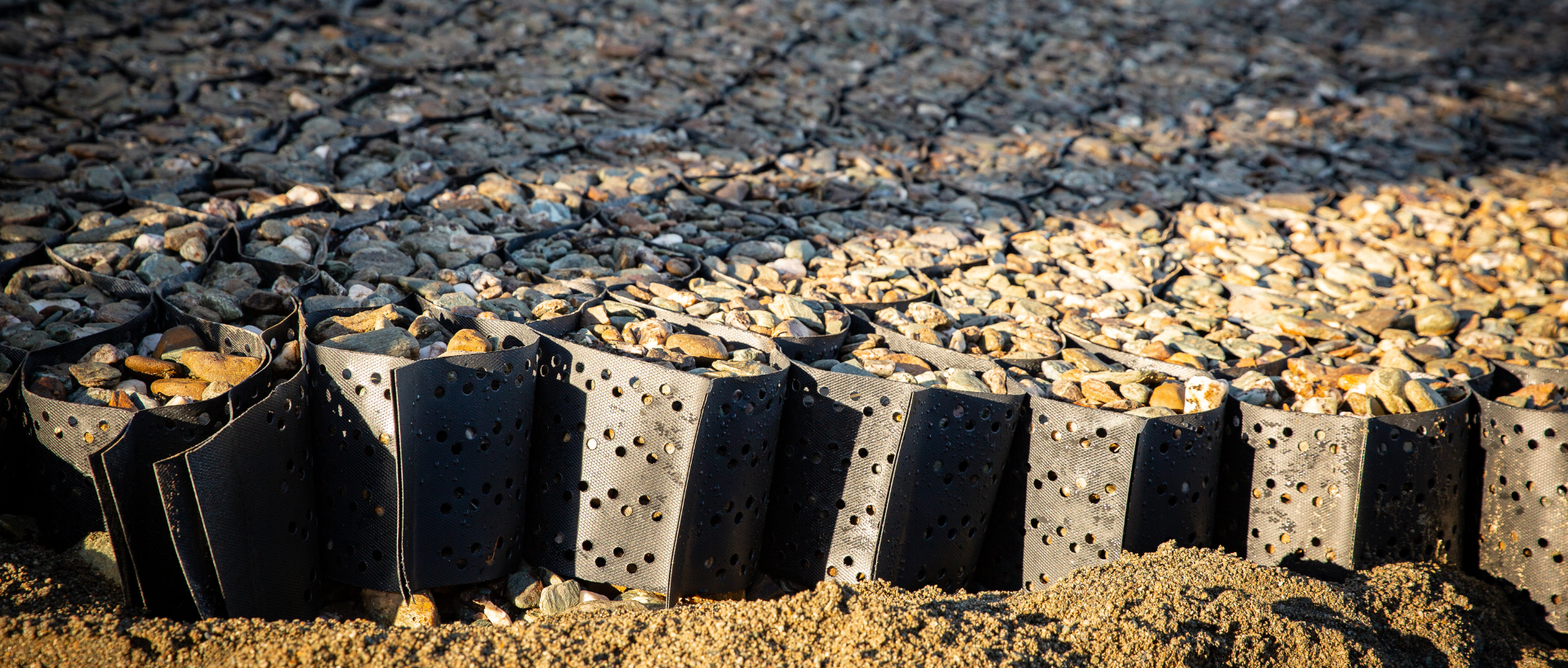
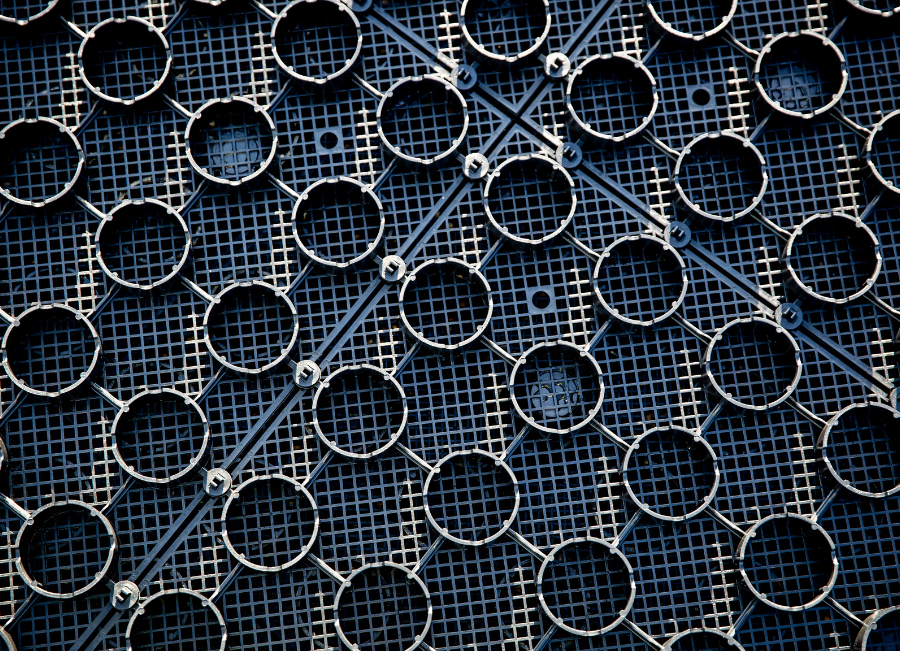
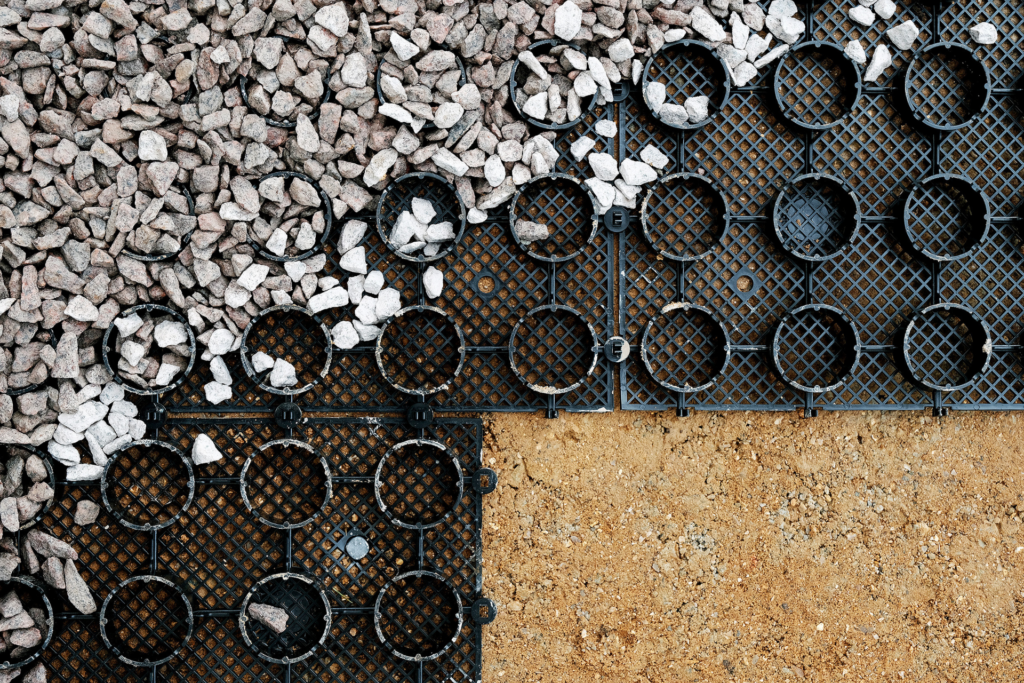
A gravel grid with membrane is an integrated foundation product where the weed suppression fabric is permanently bonded to the underside of the cellular grid. This unified design means the two essential components of a stable driveway arrive as a single piece. The system is engineered to hold gravel tightly within its structure while simultaneously blocking weed seeds from rooting in the soil below.
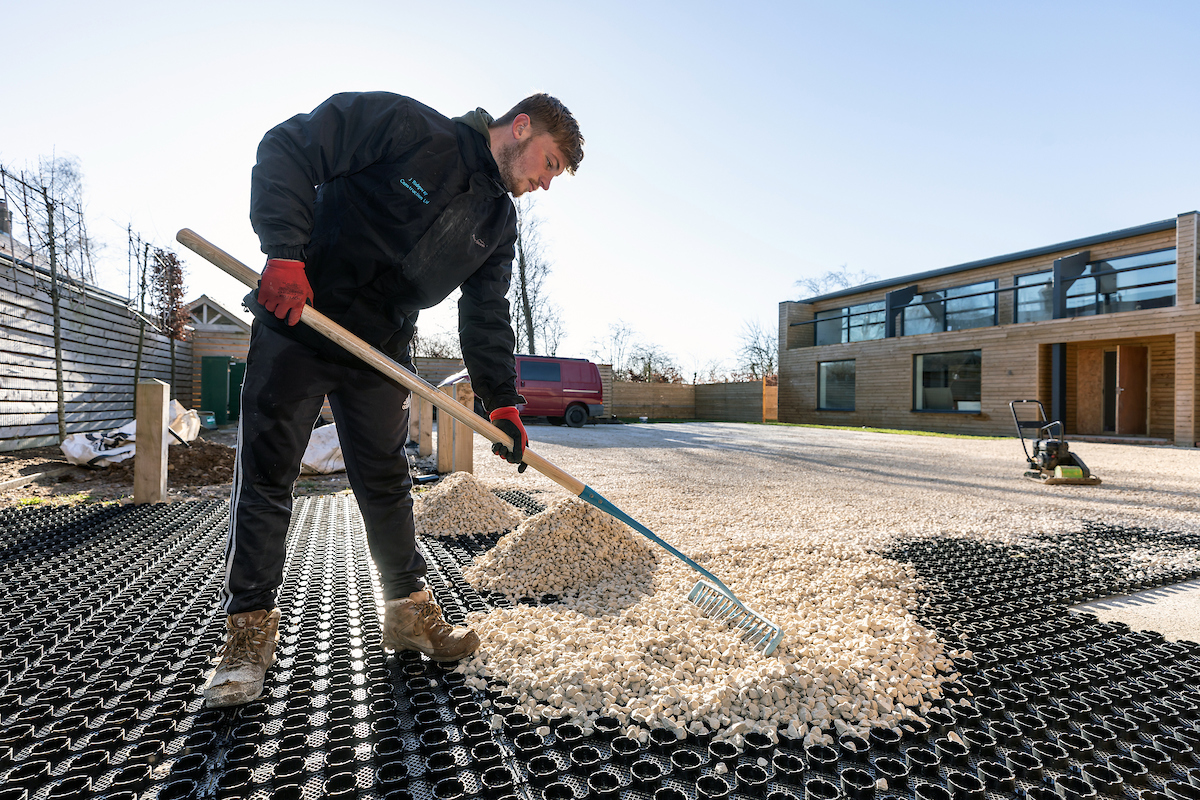
This integrated approach offers a simplified installation process. Landscapers and homeowners do not need to measure, cut, and pin down a separate fabric layer before laying the cellular structure. They simply prepare the ground, lay the connected panels, and fill the cells with stone. This combined stabilisation and weed suppression mechanism saves significant labour time.
Common use cases for these integrated solutions include residential driveways and garden pathways. The convenience of handling one product reduces installation steps and leaves less room for error. When the fabric is securely attached to the base, there is no risk of the material bunching up or pulling apart during the stone filling process. A high-quality gravel grid system ensures the protective layer remains flat and fully operational for the lifespan of the surface. Furthermore, the best weed membrane integration prevents gravel from working its way underneath the grid structure.
Traditional layered gravel systems involve a multi-step construction method. Instead of an integrated unit, installers use a separate membrane layer placed directly over the prepared sub-base. Independent gravel grids are then positioned on top of this loose fabric. Finally, the stones are poured into the grids to complete the surface.
This multi-layer installation approach has been used for many years and requires careful attention to detail. The installer must overlap the fabric correctly and secure it firmly to prevent movement. If the fabric shifts while the independent grids are being placed, the entire weed protection barrier is compromised.
There are specific situations where layered systems may still work well. Large commercial projects with complex gradients might require bespoke fabric specifications. In these instances, contractors might prefer to select a specialist heavy-duty membrane for gravel and match it with a standalone driveway grid system. This allows for greater flexibility for custom builds where unique drainage or load-bearing requirements demand separate, highly specialised components.
However, for most standard driveway projects, the separation of materials introduces extra labour. The process of laying fabric, pinning it, aligning independent grids, and carefully filling them takes considerably longer than using an integrated solution.
When evaluating both approaches, real-world conditions highlight distinct differences in performance. Drainage performance is a critical factor for any outdoor surface. Both methods allow water to pass through to the ground below. However, integrated grids maintain a consistent gap between the stone and the soil, preventing blockages and ensuring water flows away evenly.
Weed prevention is another crucial metric. Integrated membranes provide a continuous, factory-sealed barrier. Traditional layered methods rely on the installer overlapping the fabric correctly. Any gap or tear during the installation of independent grids will eventually allow weeds to break through the surface.
Installation speed strongly favours the integrated approach. Handling one product instead of two cuts down labour time significantly. Long-term maintenance is also reduced. Because the integrated fabric cannot slip or separate from the cellular structure, the base remains perfectly intact.
Stability under vehicle traffic is where attached membranes truly excel. As cars turn their wheels, they apply immense lateral force to the ground. In a layered setup, there is a risk of membrane shifting. The fabric can slide beneath the unattached grids, causing the surface to buckle. An integrated gravel stabiliser eliminates this risk entirely, locking everything into a solid, unmoving block. Integrated systems often reduce installation errors precisely because the components cannot separate or shift out of alignment during everyday use.
A well-designed driveway installation also benefits from effective edge restraint. While many people focus on the gravel surface itself, quality aluminium gravel driveway edging systems play an important role in maintaining a clean and professional finish. These edging profiles are specifically designed to separate the aggregate from surrounding borders, helping to prevent material migration while creating a defined transition between landscaped areas. When combined with a high-performance plastic grid for gravel, the result is a surface that remains stable, visually tidy, and easier to maintain over the long term. This combination helps preserve the intended driveway shape while supporting consistent performance under regular vehicle use.
Modern construction standards place a high value on sustainability and efficiency. A key requirement for new builds and renovations is SUDS compliance. SUDS stands for Sustainable Urban Drainage Systems. A compliant surface allows rainwater to soak naturally into the ground, reducing the burden on local drainage networks and preventing flash flooding.
Both methods can achieve this goal, but integrated grids offer a more reliable path to creating a fully permeable driveway. For residential driveways, the choice becomes clear. An integrated system delivers long-term durability without the complex installation steps associated with separate fabric layers.
Contractor efficiency is greatly improved when using a unified product. Landscapers can complete projects faster, reducing disruption for the client. Simpler maintenance for homeowners is perhaps the most appealing benefit. No one wants to spend their weekends pulling weeds or raking displaced stones. Choose a unified grid and membrane system if long-term reliability and minimal upkeep are your top priorities.
Attached membrane systems are highly practical for most modern permeable driveway installations. They provide professional grade stability and weed protection in a format that is incredibly easy to lay. They eliminate the common failure points of traditional builds, ensuring the driveway looks immaculate year after year.
Proper stabilisation matters because it forms the backbone of your entire landscaping project. Without a strong, reliable base, even the most expensive decorative stone will quickly sink, spread, and look unkempt. The importance of drainage and weed prevention cannot be overstated. A surface that traps water or allows weeds to flourish will require constant, exhausting maintenance.
Choosing the right gravel grid system improves long-term driveway performance dramatically. By selecting a product that combines structural reinforcement with reliable weed suppression, you protect your investment and maintain the kerb appeal of your property. An integrated foundation takes the stress out of driveway construction and delivers a pristine, stable finish.
If you want to achieve a flawless and durable exterior surface, explore Beauxfort’s permeable surfacing solutions. Discover how the right foundation can transform your property by visiting https://beauxfort.com/.