Gravelrings
Gravel grid system

Trees add undeniable value and character to any property. However, they present a significant challenge when you need to build a driveway, path, or access route nearby. The conflict is simple yet difficult to resolve. Vehicles require a solid, stable foundation to prevent sinking and rutting. In contrast, tree roots need loose, aerated soil to thrive. Traditional construction methods often solve the stability problem by digging down and compacting the earth, but this destroys the delicate ecosystem roots rely on. This leaves architects and contractors in a difficult position. You need to provide reliable access for cars or heavy plant machinery without harming the trees that make the site desirable. Finding a balance between structural integrity and environmental preservation is essential for modern construction projects.
Many people assume tree roots grow deep underground, mirroring the branches above. In reality, the vast majority of a tree’s root system sits within the top metre of the soil. These feeder roots spread outwards, often extending far beyond the canopy line. This makes them incredibly vulnerable to surface activity. When you drive heavy vehicles over the ground, the weight pushes soil particles together. This process is known as soil compaction. Compacted soil becomes dense and impenetrable. It creates a barrier that prevents oxygen and water from reaching the roots. Without these essentials, the roots begin to suffocate and die. The damage is rarely visible immediately. A tree might look healthy for years after a construction project finishes before showing signs of decline. By the time branches start dying back or the tree becomes unstable, it is often too late to save it. This is why protecting the soil structure from the very start of a project is critical.
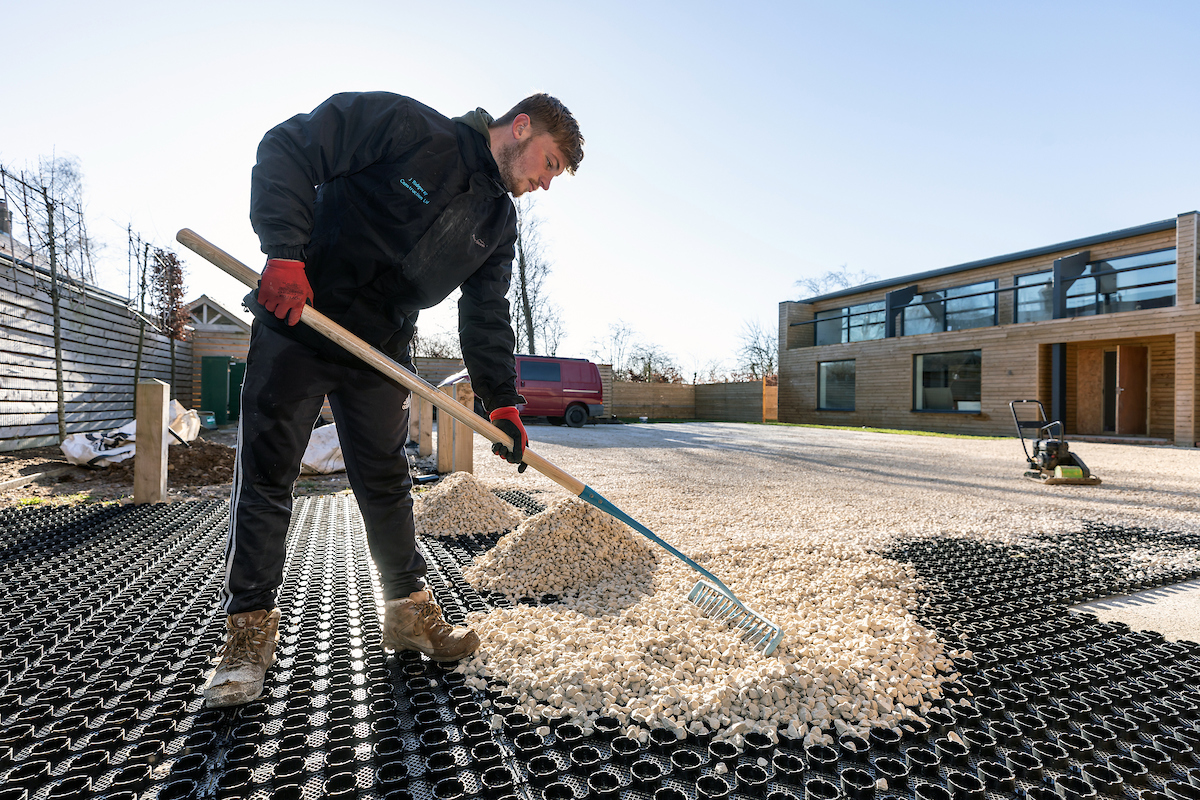
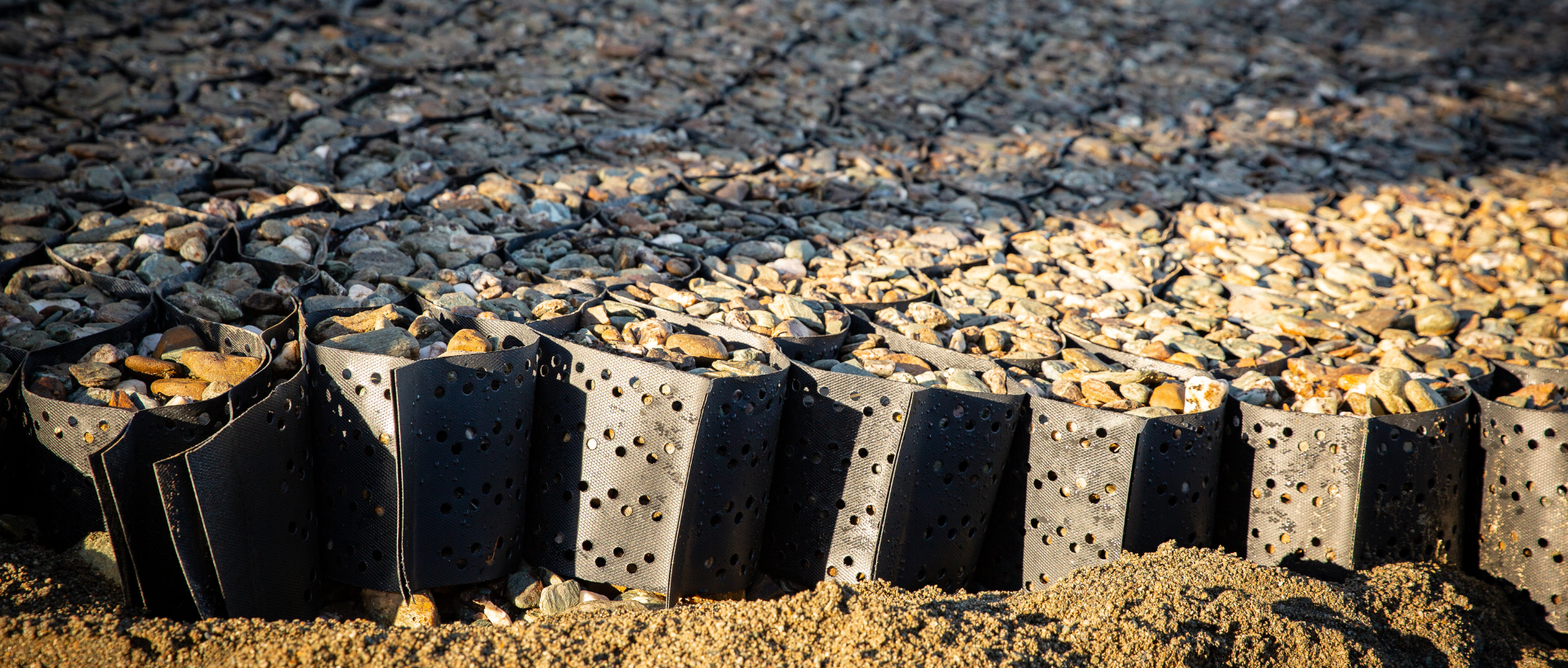
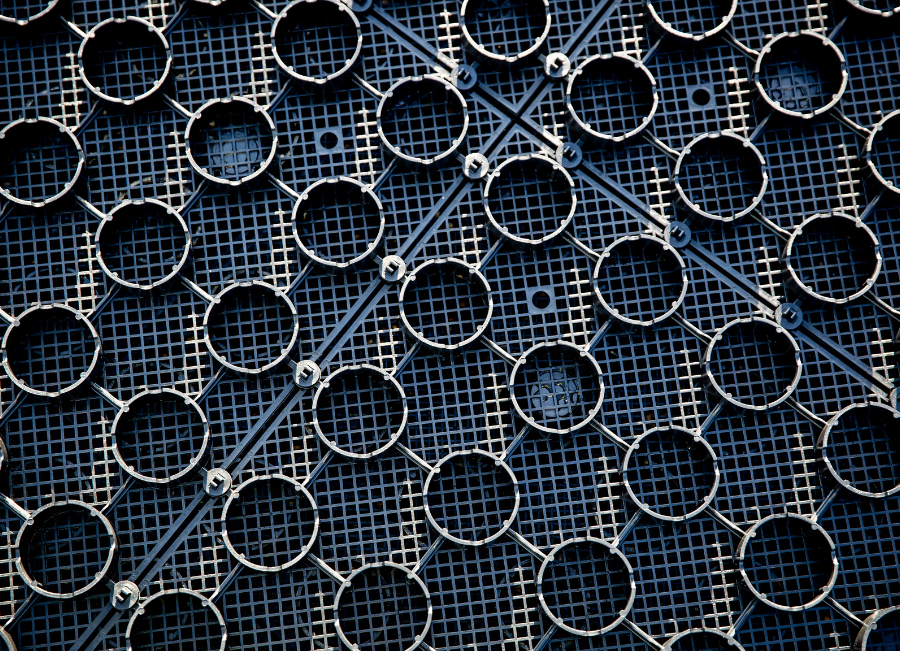
GroundCell is a cellular confinement system designed specifically to solve the conflict between traffic and trees. It acts as a powerful ground reinforcement grid that sits on top of the existing soil rather than digging into it. The system consists of a series of interconnected cells resembling a honeycomb structure. When expanded, these cells create a strong, three-dimensional mattress. You fill this structure with a clean, angular stone. The magic lies in the physics of the design. Because the stone is confined within the cells, it cannot spread sideways under pressure. This locks the fill material in place. The structure creates a rigid platform that holds its shape under the weight of vehicles. Crucially, the system maintains voids within the infill material. These small gaps allow air and water to circulate freely. By lifting the load bearing layer above the root protection area, GroundCell ensures that the natural biological processes occurring in the soil below can continue without interruption. It provides a bridge for traffic that floats over the sensitive ground beneath.
The use of advanced ground reinforcement grid structures ensures that loads are distributed evenly across the entire surface. This not only protects the underlying soil and root zones but also delivers a durable, long-lasting finish capable of supporting regular traffic without deformation.
The primary function of GroundCell is load distribution. When a car tire presses down on a standard gravel surface, the weight drives through a small, concentrated area. This is what causes rutting and deep soil compaction. GroundCell changes how this force travels. The interconnected cells spread the weight of the vehicle laterally across the entire surface area of the mattress. This significantly reduces pressure on the soil below. The weight is effectively dissipated before it can damage the delicate root systems. Simultaneously, the system creates a fully permeable surface. Rainwater flows through the clean stone fill and filters naturally into the ground, just as it would in an open field. This maintains the moisture levels the tree needs to survive. Because the system is installed directly on the existing ground level, there is no need for excavation. This non-invasive approach means you do not sever shallow feeder roots during installation. The result is a stable, strong access route that leaves the biology of the site undisturbed.
Conventional construction methods rely on excavation and compaction. Builders typically dig out the soil and replace it with a heavy driveway sub base made of crushed concrete or Type 1 MOT. They then roll this material until it is solid. While this provides a hard surface for cars, it is disastrous for trees. The excavation cuts through roots, and the non-porous sub base acts as a lid that seals off the soil from rain and air. GroundCell offers a completely different approach. It removes the need for deep excavation. Instead of relying on a solid block of compacted material, it relies on the hoop strength of the cells to manage loads. This means you use less infill material overall. Furthermore, traditional sub bases can clog over time, leading to puddles and surface runoff. GroundCell maintains its porosity indefinitely. It ensures the ground remains healthy, protecting the driveway from heave caused by struggling roots.
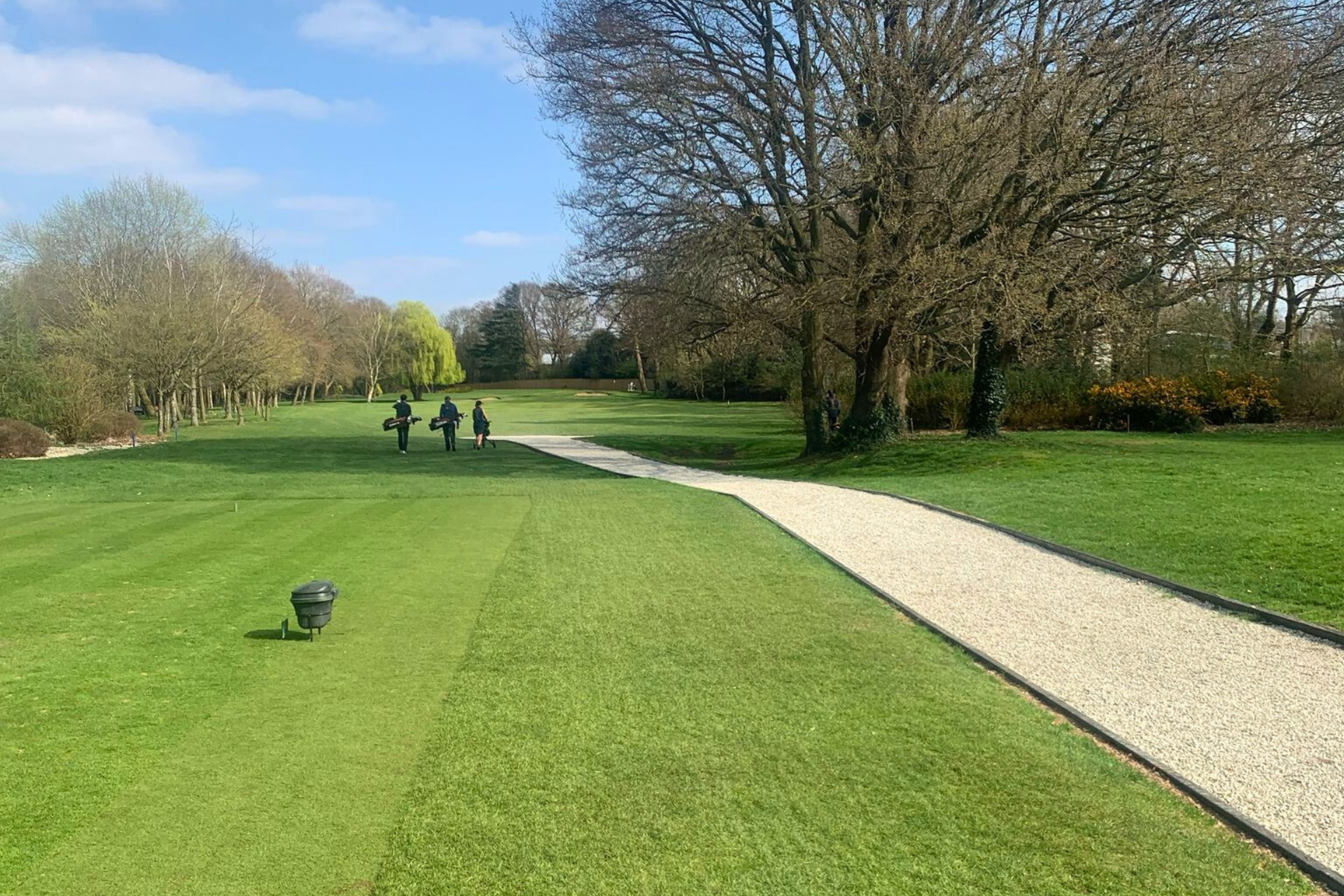
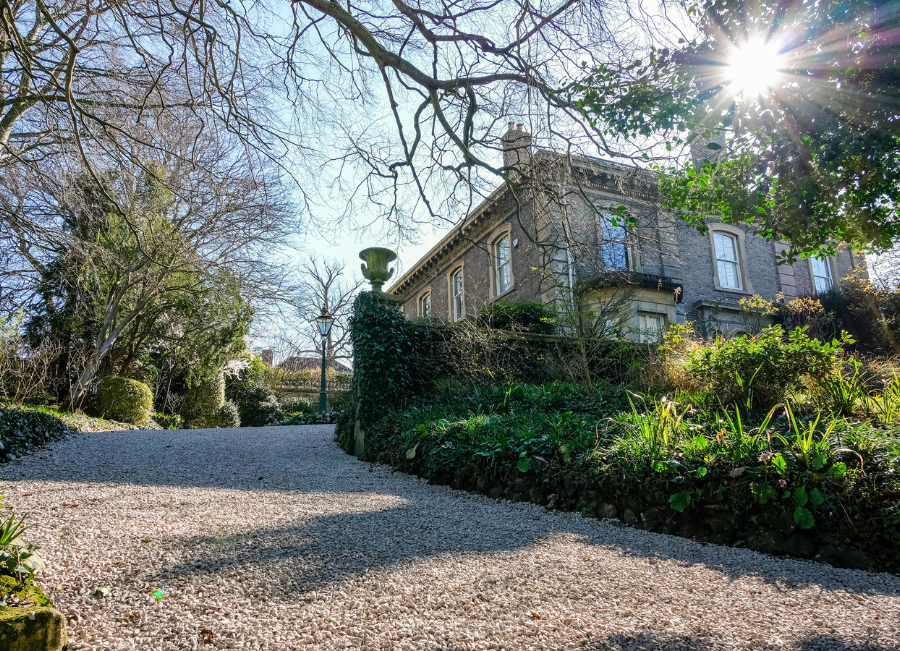
The versatility of GroundCell makes it a preferred choice for a wide variety of projects where environmental sensitivity is a priority. It is particularly valuable for sites that need to be SUDS compliant to manage water runoff effectively. Common applications include:
Building near trees does not have to result in damage to the environment or an unstable surface for your vehicles. GroundCell proves that engineering and nature can work together effectively. By distributing weight evenly and maintaining essential soil aeration, you can enjoy a practical, durable surface that keeps your trees healthy for generations to come. Whether you are an architect designing a new home or a contractor managing a sensitive site, Beauxfort has the expertise to help. Explore GroundCell and our other ground reinforcement solutions today.