Gravelrings
Gravel grid system
Ask anyone planning a gravel driveway and you will probably hear the same advice: lay a membrane first. It is one of the most common recommendations in gravel construction. Yet many homeowners are unsure what a membrane actually does, or whether they truly need one. The truth is that membranes are not always the solution people imagine them to be. This article explains what a heavy duty membrane for gravel really does, when it adds value, when it does not, and how it fits alongside a properly built driveway.
A heavy duty membrane for gravel is a strong fabric layer placed beneath the surface of a driveway or pathway. Its main job is to separate different materials and keep them performing as intended over time.
There are two common types, and people often confuse them.
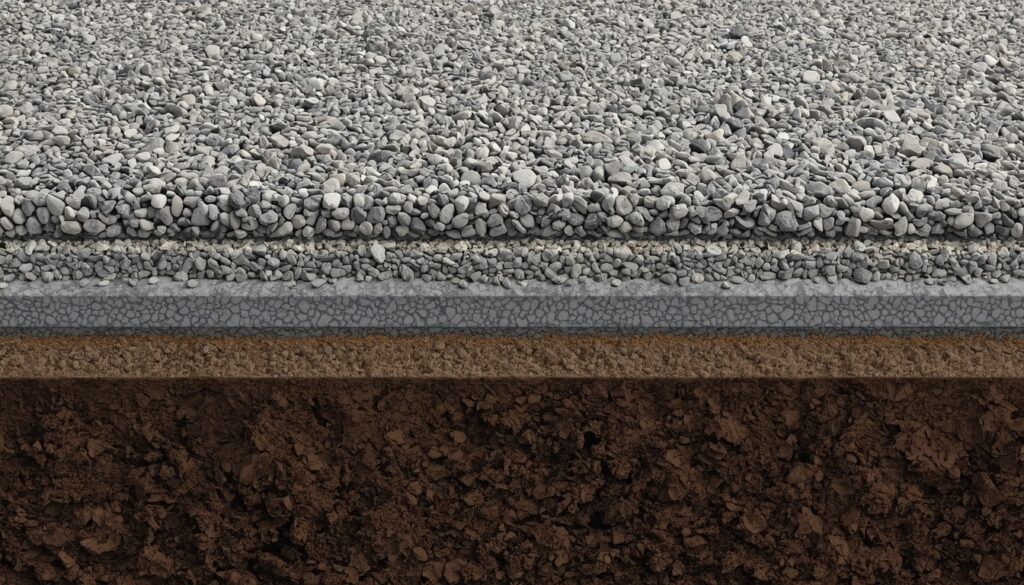
A separation membrane sits between the soil and the sub base. It stops the two layers mixing together, which protects the strength of the foundation. A weed membrane sits closer to the surface and is designed to slow the growth of weeds through the gravel.
Both can be useful, but they do very different things. A separation membrane supports stability and load performance. A weed membrane mainly affects appearance and maintenance. Some membranes also allow water to pass through, which matters for drainage in a gravel driveway.
Membranes are popular because they help maintain a stable, consistent surface over time.
The main benefits include:
Ground conditions play a major role. On soft or wet soils, gravel can gradually disappear into the ground below, creating dips and uneven areas. A separation membrane helps maintain a clear boundary between the soil and the sub-base, supporting the stability of the driveway over time.
A membrane is particularly useful where the ground beneath the driveway is weak or unstable.
Common situations include:
In these cases, a separation membrane helps protect the foundation and maintain long-term performance.
Here is where many projects go wrong. A membrane is often treated as a quick fix, but it cannot rescue a poorly built driveway.
If the excavation is too shallow, the layers above will never sit correctly. If the gravel depth is wrong, the surface will shift no matter what lies beneath it. A weak or thin sub-base will fail under load, and inadequate drainage will cause water to pool and wash material away.
A membrane cannot compensate for any of these issues. Getting the gravel layer right, with the correct depth and proper compaction, matters far more than the fabric layer alone. Think of a membrane as a helpful component, not a cure for poor construction.
A membrane performs best as part of a complete driveway build-up. This is where a gravel grid system comes in.
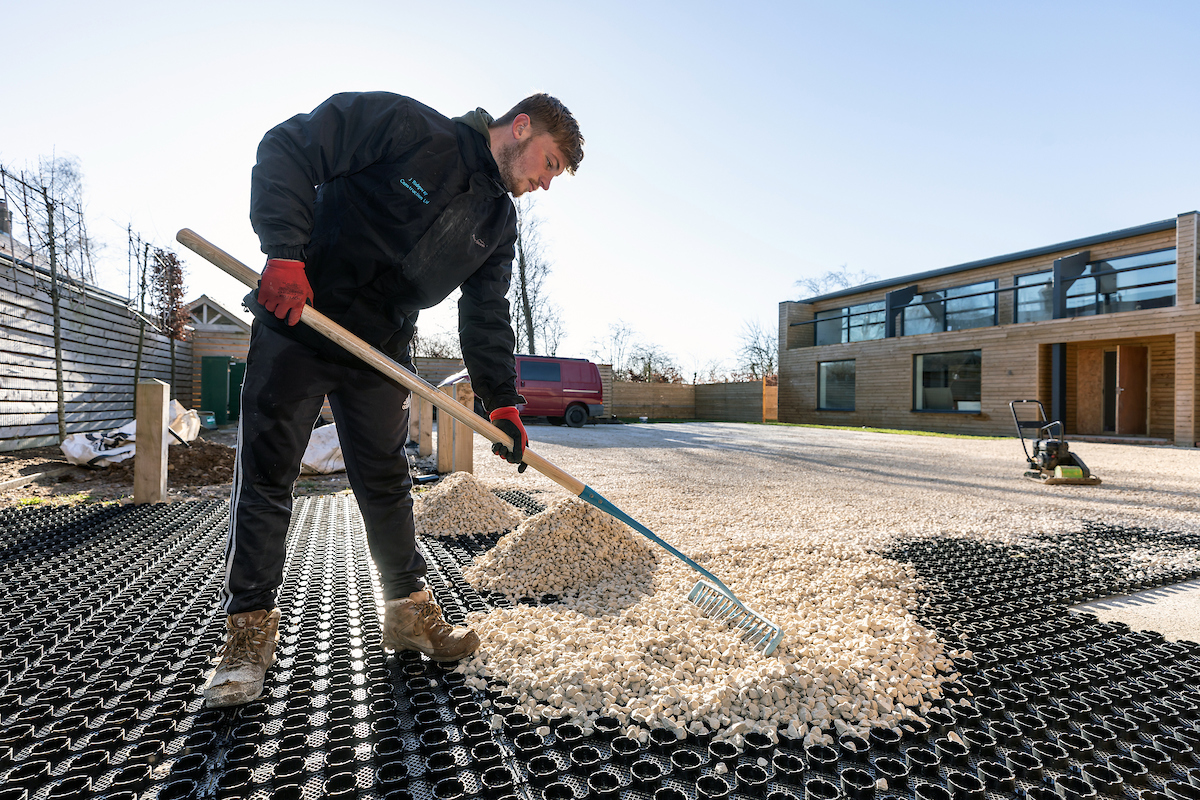
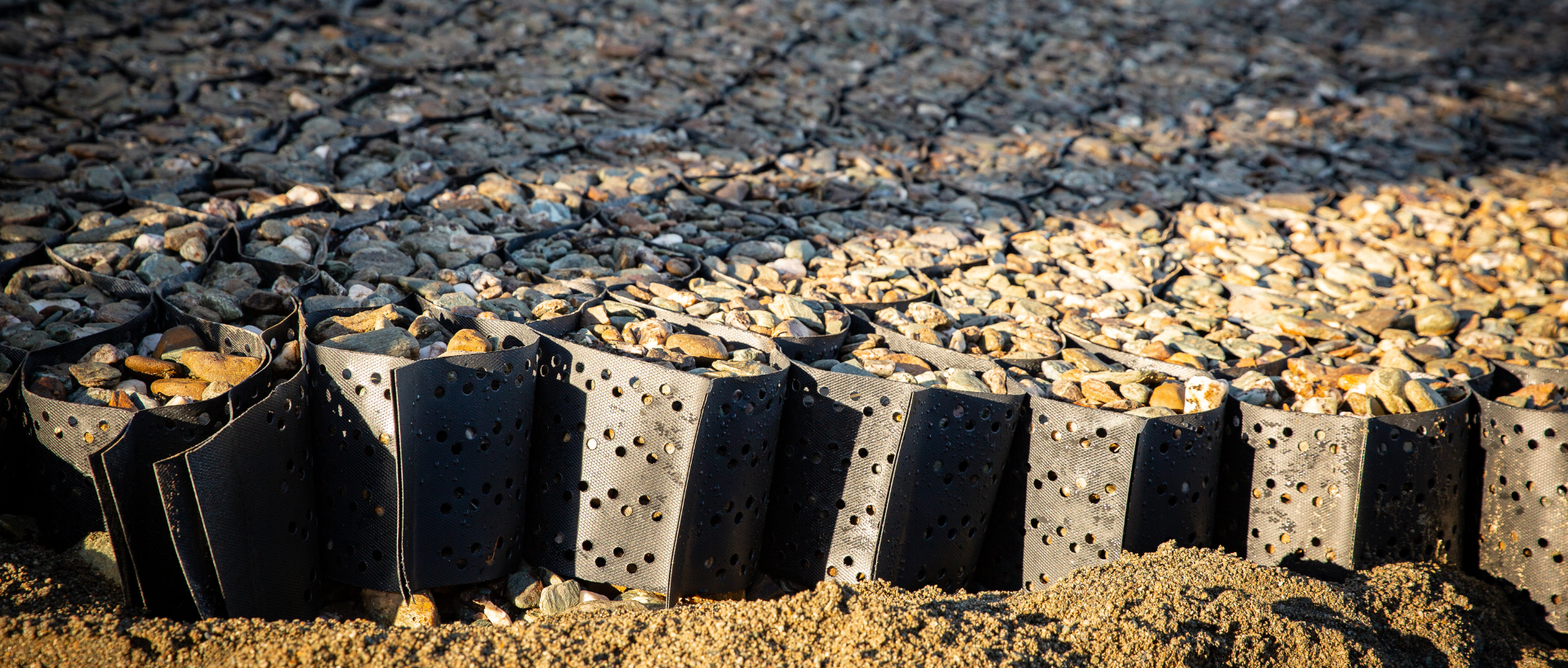
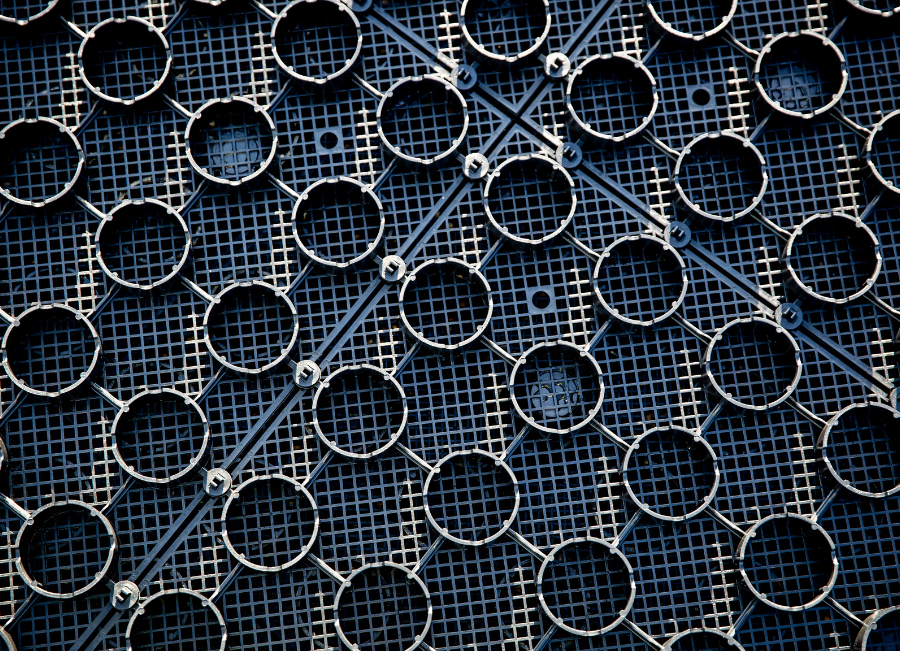
A gravel grid sits above the sub-base and holds the loose stone in place. The cells of the grid stop gravel spreading, rutting, or migrating, which keeps the surface even and tidy. When a suitable separation membrane is installed beneath the sub-base, it works alongside the gravel grid system to create a layered structure that handles weight and movement far better than gravel laid directly on the ground.
In this setup, each layer has a clear role. The separation membrane protects the boundary between the soil and the sub-base. The sub-base spreads the load. The gravel grid system locks the surface stone in position. The result is better load distribution, improved surface stability, reduced gravel migration, and a finish that keeps its appearance for years.
While a separation membrane helps protect the foundation below, the visible performance of a driveway is largely determined by how effectively the surface gravel is contained. Many modern installations therefore combine the membrane with a plastic grid for gravel, creating a more stable structure that limits aggregate movement under regular vehicle traffic. This integrated approach helps preserve a level surface while reducing the need for frequent maintenance. For projects where sustainable drainage is a priority, pairing the system with a SuDS-compliant design allows rainwater to infiltrate naturally instead of contributing to surface runoff. By combining appropriate groundwork, efficient drainage, and reliable stabilisation, homeowners can create a gravel driveway that performs consistently while retaining its attractive appearance for many years.
A few myths cause confusion and lead to disappointment. It helps to set the record straight.
A weed membrane helps prevent weeds growing up from beneath the surface, provided the ground has been properly cleared before installation. However, it cannot stop airborne weed seeds from settling into the gravel above, where they can still take root and require occasional removal.
Another common misconception is that a membrane replaces proper sub-base construction. It does not. The sub-base carries the load, and no fabric can take its place. Finally, not just any membrane will do. A lightweight weed fabric is no substitute for a heavy-duty separation membrane where ground conditions require additional support.
The best driveways start with honest assessment, not assumptions. Before laying anything, look closely at your site and your needs.
Consider the ground conditions first. Is the soil soft or clay heavy? Then think about traffic. A family car places very different demands on a driveway than a delivery van. Your appearance goals matter too, as does how long you want the surface to last without repair.
For most projects, a driveway grid system combined with the right sub-base and effective drainage provides the strongest long-term result. A separation membrane may also be appropriate depending on the site conditions, but it should always be viewed as one part of a properly engineered driveway system.
Even with a well-built driveway, occasional raking and topping up remain part of routine maintenance to keep the surface looking its best.
A heavy duty membrane has a real and valuable role in gravel driveway construction. It protects the foundation, supports stability, and helps the surface stay consistent over time. Yet it is only one part of a successful installation. Proper design and construction matter most. The right sub base, effective drainage, and a quality gravel grid all work together to deliver a driveway that performs for years. Get these elements right, and your gravel surface will reward you with lasting good looks and dependable use.
To learn more about hidden gravel grid systems, driveway construction best practices, and Beauxfort’s range of engineered solutions, visit https://beauxfort.com/