
Gravelrings
Gravel grid system
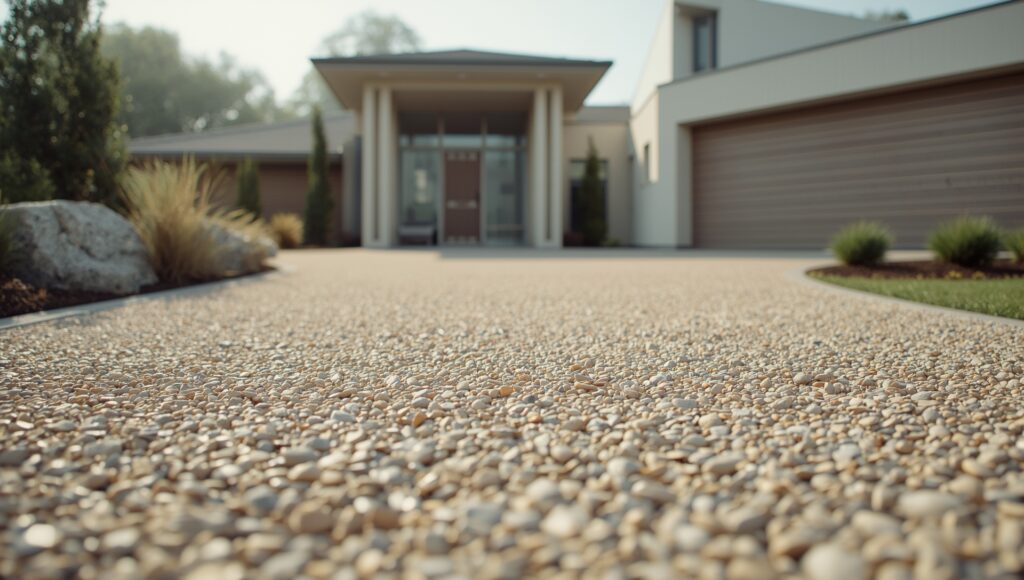
Expectations within the landscape architecture and premium residential sectors are shifting. Clients demanding high-specification outcomes are no longer satisfied with surfaces that merely function. They require driveways and access routes that maintain flawless visual integrity from the moment of installation through decades of use.
This requirement presents a distinct challenge for architects and specifiers. They must balance the traditional aesthetic appeal of natural loose aggregate or grass with the engineering demands of modern vehicular loading. For years the industry relied on visible plastic grid structures to achieve this balance. However, the limitations of these older systems are leading to a significant change in specification habits.
Architects are increasingly moving away from exposed cellular grids in favour of hidden base systems. This shift is driven by the need to deliver uncompromised design continuity alongside robust structural performance. This article explores the technical and aesthetic drivers behind this transition in premium landscaping projects.
For a long time, standard open-grid or honeycomb systems were the default choice for stabilising gravel. While they offer an improvement over loose gravel, they introduce specific compromises that are often incompatible with high-end architectural schemes.
The primary issue is visual disruption. Traditional grids are designed to be filled to the top but often require the plastic structure to remain visible or near the surface to function correctly. This creates an artificial aesthetic that interrupts the natural texture of the stone or grass.
Beyond aesthetics, visible grids present functional challenges:
To overcome the functional failures of the past, landscape architects are now specifying more sophisticated methods to reinforce aggregate surfaces without compromising visual intent. While a traditional gravel stabiliser was once considered sufficient for pedestrian areas, the high-traffic demands of modern estates require a far more robust engineering approach. Unlike basic products that frequently shift or surface under the weight of heavier vehicles, a high-performance plastic grid for gravel provides the deep-seated structural support necessary to prevent migration. These hidden systems ensure that the stone remains tightly interlocked and level, effectively eliminating the common pitfalls of displacement and surface thinning. By selecting a solution that prioritises both subsurface strength and total visual concealment, specifiers can deliver a durable, pristine finish that meets the exacting standards of any premium residential scheme.
Hidden base systems represent the next generation of surface reinforcement. Unlike their predecessors, these systems are engineered specifically to remain completely concealed beneath the finished surface layer.
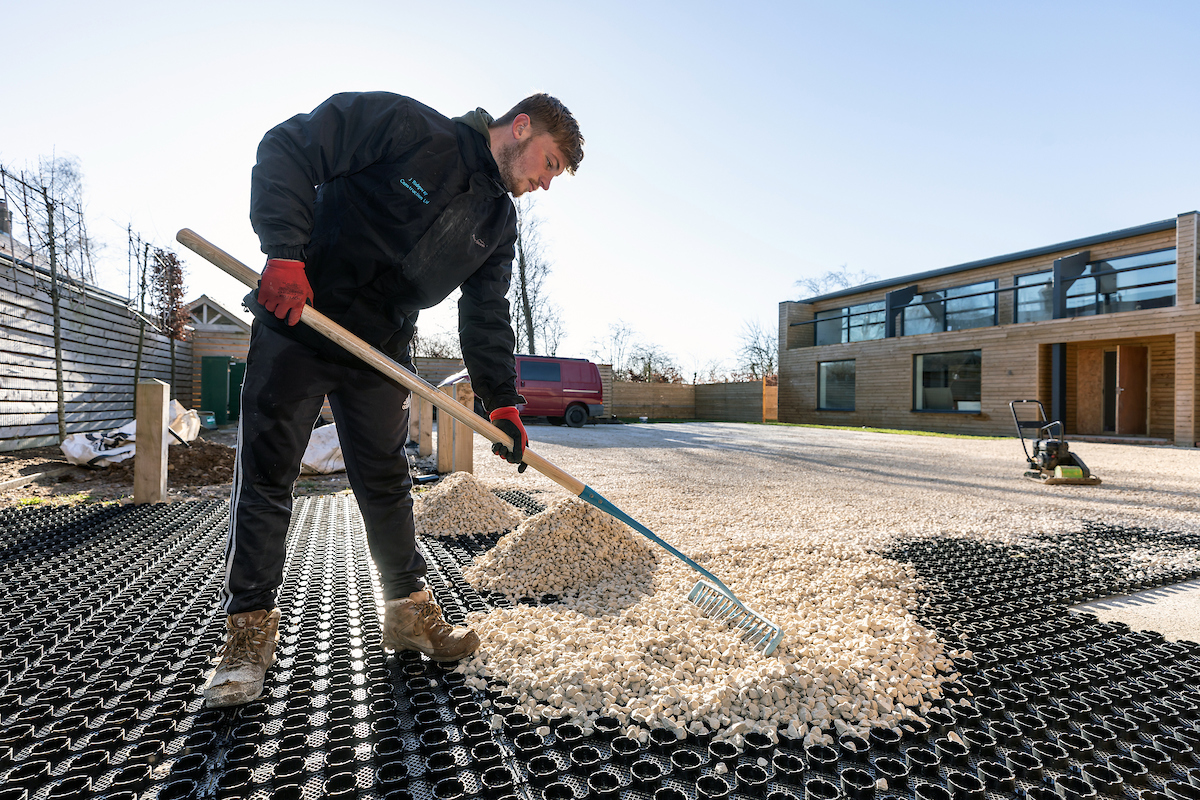
A hidden base system, such as Beauxfort’s Gravelrings gravel grid system, provides a structural platform that sits below the aggregate or soil. It uses advanced engineering principles to lock the surface material in place while remaining invisible.
The defining characteristic of these systems is their ability to separate the structural reinforcement from the aesthetic finish. The engineering does the heavy lifting underground. This allows the surface to present as a natural, continuous expanse of stone or grass.
For architects and landscape designers, the primary appeal of a hidden base system is the preservation of design intent.
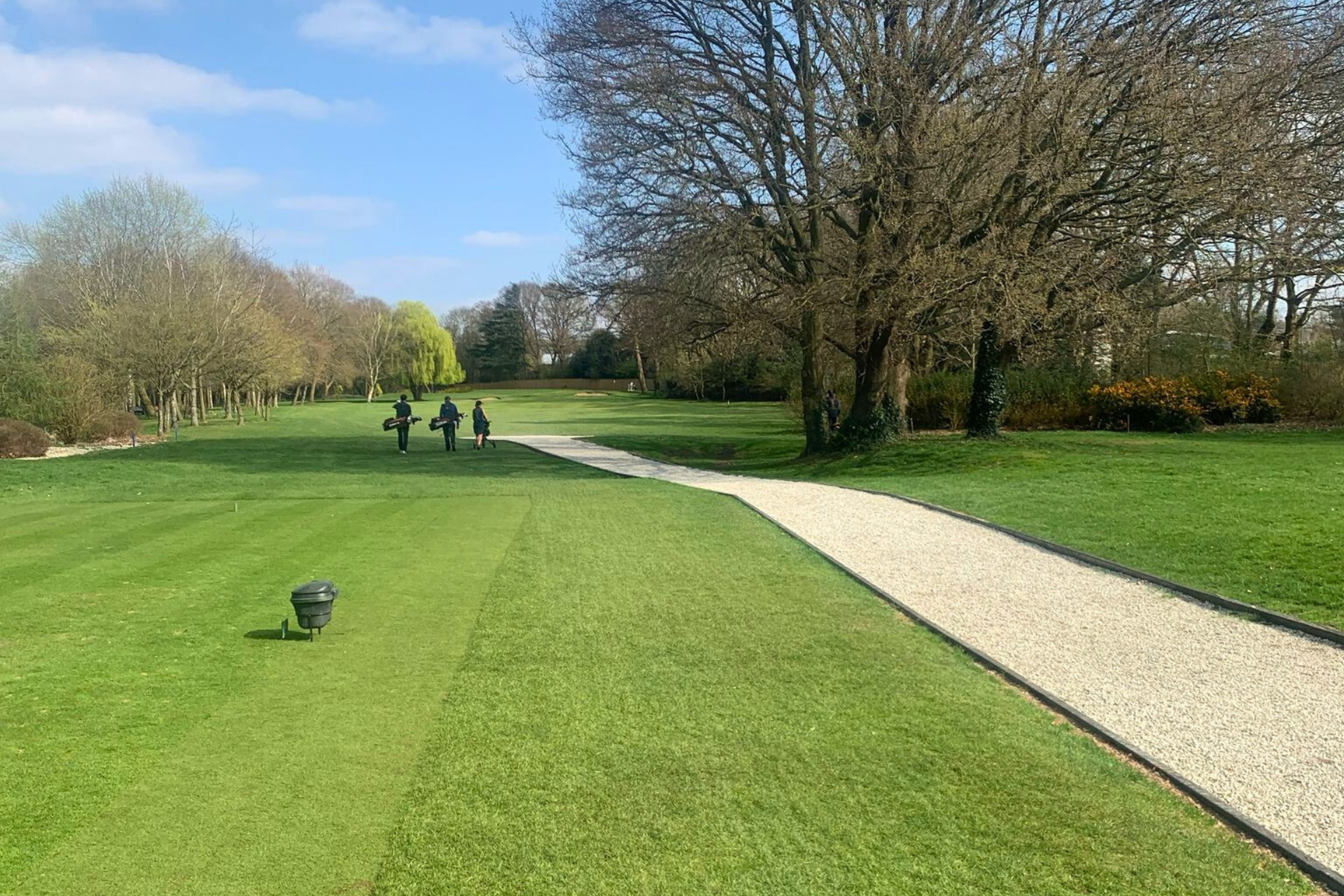
In heritage contexts or rural estates, the intrusion of modern plastic grids can ruin the authenticity of the setting. A hidden system allows the driveway to look exactly like a traditional loose gravel surface. It maintains the satisfying crunch and textural appeal of stone without the mess or movement associated with untreated surfaces.
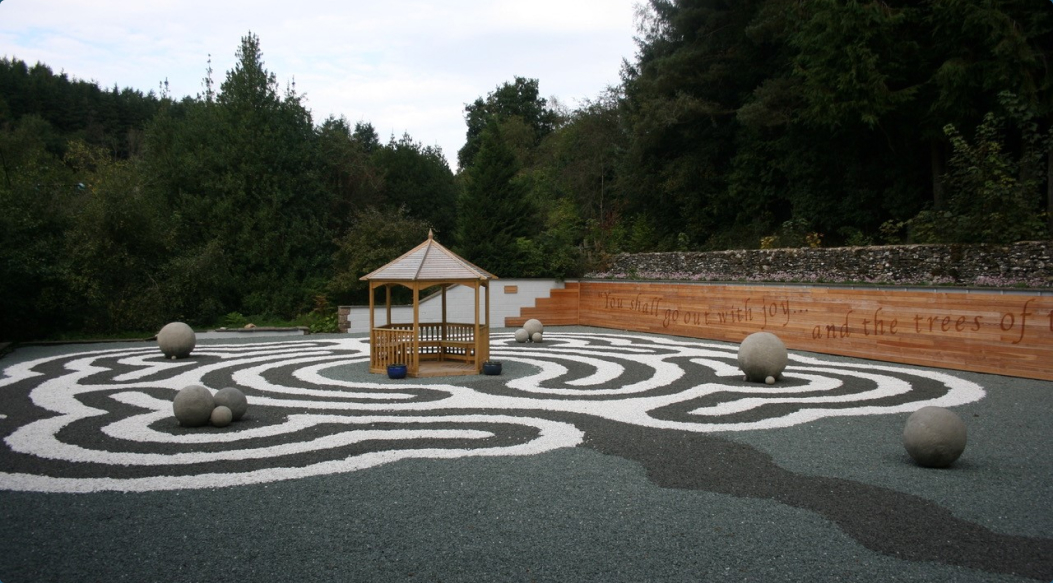
In contemporary, design-led projects, clean lines are paramount. Architects strive for seamless transitions between hard and soft landscaping. Hidden systems facilitate this by preventing the tracking of gravel onto adjacent paving or resin-bound areas. The surface remains crisp and uniform. It ensures that the landscape complements rather than detracts from the architectural form of the building.
The evolution of high-end landscape design hinges on the ability to hide complex engineering beneath a simple, beautiful surface. Architects are increasingly specifying a professional-grade driveway gravel grid to serve as the invisible backbone of their projects, ensuring that the natural aggregate remains perfectly level even under the stress of heavy SUVs and frequent delivery traffic. By utilising a high-performance plastic grid for gravel, designers can create a stable, interconnected “mat” that prevents the stones from being pushed into the sub-base or scattered onto adjacent lawns. This structural layer acts as a containment system that handles the torque and weight of modern vehicles, allowing the surface to maintain its classic, crunching texture without the structural failures associated with traditional loose-stone methods. It is this marriage of subsurface strength and total visual concealment that allows a project to remain pristine and functional for decades, effectively mitigating the risk of surface degradation and long-term maintenance costs.
While aesthetics drive the initial desire for hidden systems, structural performance is what validates the specification. Premium projects often involve heavy vehicles, including delivery trucks and luxury SUVs, which exert significant static and dynamic loads on the surface.
Hidden base systems are typically engineered with superior load-bearing capabilities compared to standard open grids. They often feature an integral mesh base or a specialised geometric design that prevents the system from rising up.
Key performance advantages include:
This structural reliability is essential for architects who need to warrant the longevity of their designs. It removes the risk of surface failure that can damage client relationships years after practical completion.
Sustainability is no longer an optional extra in specification. It is a core requirement. Hidden base systems are instrumental in delivering permeable driveway design strategies that satisfy planning authorities and environmental standards.
These systems are fully permeable. They allow rainwater to drain directly through the surface profile and into the sub-base, returning to the water table. This supports Sustainable Urban Drainage Systems (SUDS) compliance. It reduces surface water runoff and alleviates pressure on over-capacity storm drains.
Furthermore, many premium hidden systems are manufactured from recycled materials. This contributes to the project’s sustainability credentials without compromising on strength. For architects navigating strict planning conditions regarding surface water management, these systems offer a compliant solution that does not force a compromise on visual quality.
The decision to specify a hidden base system over a visible grid is often a risk management strategy.
When an architect specifies a visible grid, they are accepting a level of unpredictability regarding the final finish and long-term wear. By contrast, specifying a hidden system provides a predictable outcome. The detailing is clear. The installation method is established. The result is consistent.
Using these systems simplifies the specification process in several ways:
The transition from visible grids to hidden base systems marks a maturation in landscape specification. It reflects a refusal to compromise between the beauty of natural materials and the necessity of modern engineering.
For architects and specifiers, hidden systems offer the only viable route to delivering premium external works that stand the test of time. They ensure that the landscape architecture supports the building with quiet confidence. By choosing systems that prioritise structural integrity and visual concealment, architects can guarantee a finish that meets the high standards of their clients.
As the industry continues to prioritise longevity and design quality, hidden base systems are set to become the standard specification for all premium projects.
Ensure your next project achieves a flawless, long-lasting finish. Explore technical specifications, case studies, and installation guides for our hidden base systems at Beauxfort.