
Gravelrings
Gravel grid system


It is no secret that the UK is experiencing wetter winters and heavier rainfall events. As weather patterns shift, surface water flooding has become a significant concern for homeowners and developers alike. When rain falls faster than the ground can absorb it, the excess water has to go somewhere. In built-up areas, this often means overwhelming local drainage systems.
For years, the standard approach to driveway construction involved impermeable materials like concrete, asphalt, or block paving. While these surfaces provide a hard standing for vehicles, they also act as a barrier to natural drainage. This forces rainwater to run off into the street and down storm drains, contributing to the wider flooding crisis.
Permeable driveways offer a practical, modern solution. By working with the natural water cycle rather than against it, these systems manage rainfall right where it lands.
A permeable driveway is a surface designed to allow water to pass through it rather than running off it. The concept is simple: instead of sealing the ground with a solid layer of concrete or tarmac, you create a porous surface that mimics the natural drainage capability of soil.
Non-permeable surfaces direct water away, usually toward a drain or the road. In contrast, permeable surfaces allow rainwater to infiltrate the ground below. This process filters the water and returns it to the water table gradually.
Common materials for permeable driveways include:
When rainwater hits a sealed surface like a tarmac driveway, it creates rapid runoff. This water rushes into street gullies and enters the main sewer network. During heavy storms, the volume of water can exceed the capacity of these sewers, leading to backups and surface flooding.
This issue is so prevalent that UK planning regulations changed in 2008. Homeowners in England now need planning permission to pave over their front gardens with impermeable materials larger than five square meters, unless the runoff is directed to a permeable area.
The scale of the problem is significant. According to the Environment Agency, over 3 million properties in England are at risk of surface water flooding. This type of flooding can happen even if you do not live near a river or the sea, making effective driveway drainage a critical consideration for every property owner.
Permeable driveways function as a Sustainable Urban Drainage System (SUDS). They manage water through two key processes: infiltration and attenuation. Infiltration allows water to soak directly into the ground, while attenuation holds water within the sub-base structure before releasing it slowly.
By slowing down the flow of water, these driveways prevent the “flash flood” effect caused by rapid runoff. This benefits the property and the wider community in several ways:
While gravel is naturally permeable, using it loose on a driveway often leads to problems. Loose stones move under the weight of cars, creating ruts, thin spots, and piles of gravel at the edges. Over time, the soil beneath can become compacted and muddy, reducing the driveway’s ability to drain effectively.
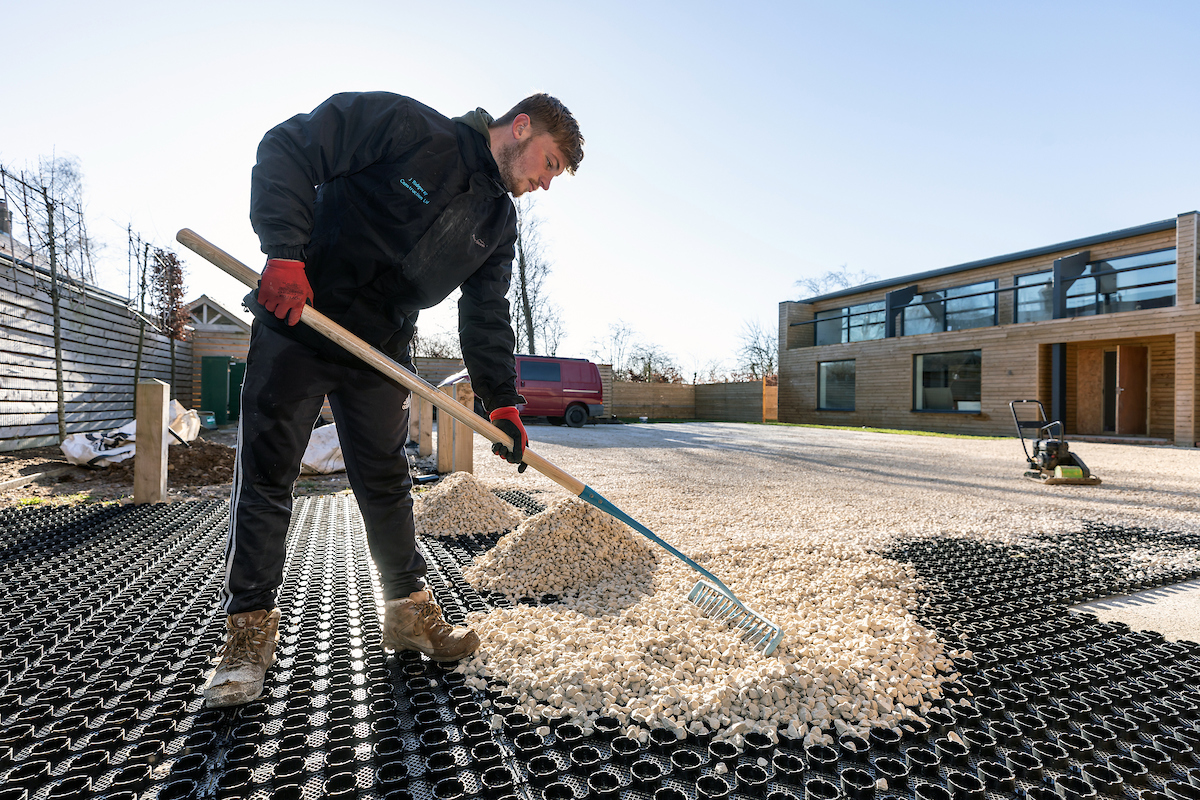
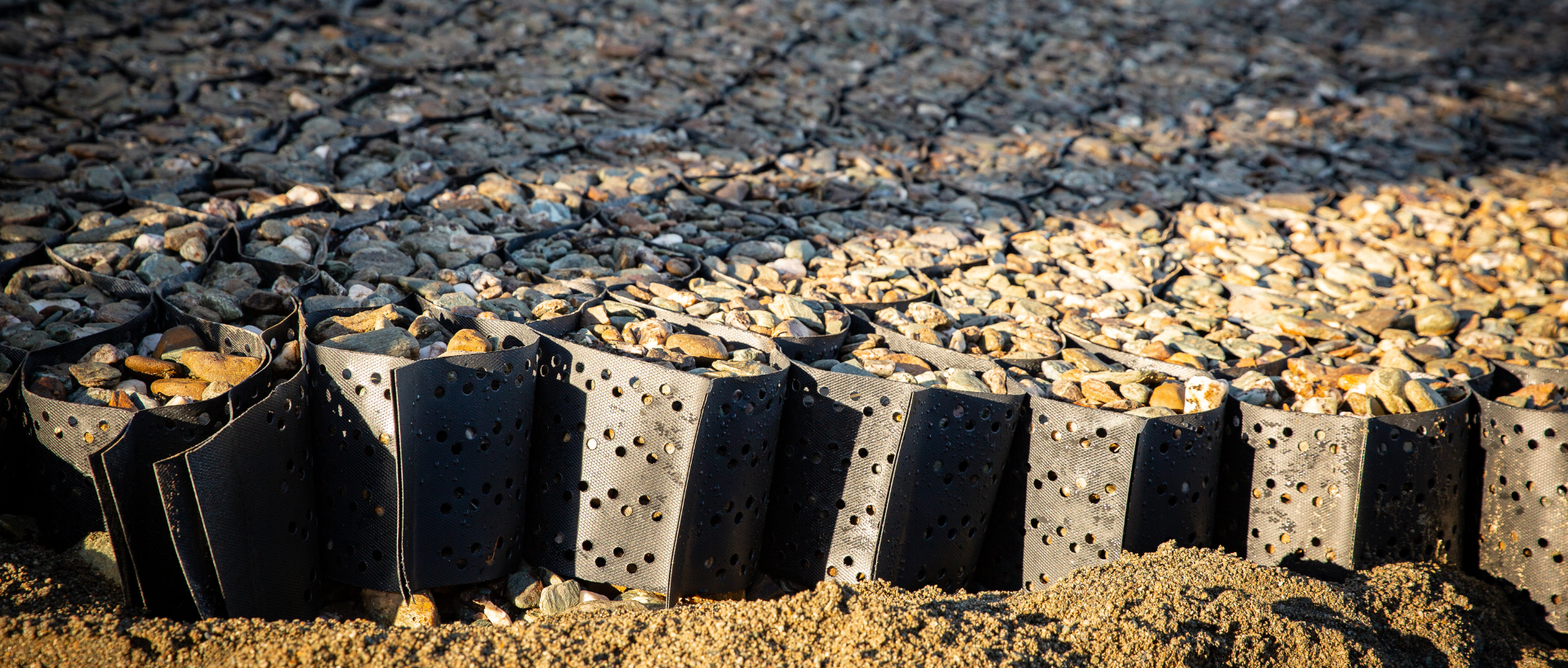
Engineered gravel grid systems solve these issues by locking the gravel in place. These cellular plastic grids provide a rigid structure that sits on top of the sub-base.
Investing in a high-specification driveway gravel grid is essential for maintaining the delicate balance between structural load-bearing capacity and hydrologic performance. By utilising a durable and recycled plastic grid for gravel, the installation creates a series of interlocking chambers that protect the aggregate from the lateral forces generated by turning car tyres. This structural containment prevents the stones from becoming embedded in the underlying earth—a common cause of drainage failure in traditional loose driveways. Instead of a messy, waterlogged surface, the grid ensures the stones remain loosely packed and “clean” within their individual cells, allowing rainwater to pass instantly through the surface and into the attenuation layer below. This engineered approach results in a driveway that not only meets strict SuDS environmental standards but also stays level, tidy, and rut-free throughout the harshest British winters.
Using a grid system improves the driveway in three ways:
For homeowners looking for driveway design inspiration, these systems offer the aesthetic appeal of traditional stone with the reliability of modern engineering.
A permeable driveway is only as effective as the layers beneath it. The surface layer (the gravel and grids) allows the water in, but the sub-base must be able to hold that water and let it drain away.
Standard MOT Type 1 sub-base, often used for roads, contains a lot of fine dust (fines) that creates a solid, impermeable layer when compacted. For a permeable driveway, you need a specialized sub-base material, often referred to as MOT Type 3 or a “clean” stone sub-base. This material has fewer fines, creating void spaces that can store water during heavy rainfall before it soaks into the ground.
Using the correct sub-base prevents the system from clogging over time. It ensures that the driveway remains fully SUDS compliant and functional for years, rather than failing after the first muddy winter.
As rainfall events become more intense, the way we pave our properties matters more than ever. Permeable driveways offer a smart solution that protects homes from flooding, complies with planning regulations, and reduces the strain on public infrastructure.
By choosing an engineered system that combines stability with drainage, homeowners can enjoy a practical, attractive driveway that is built for the future. Whether for a new build or a renovation, prioritizing permeability is a step toward better water management and a drier, safer home environment.
Homeowners and developers interested in SUDS-compliant surfacing can explore the range of Beauxfort engineered gravel grid systems to find the right fit for their project.