Gravelrings
Gravel grid system
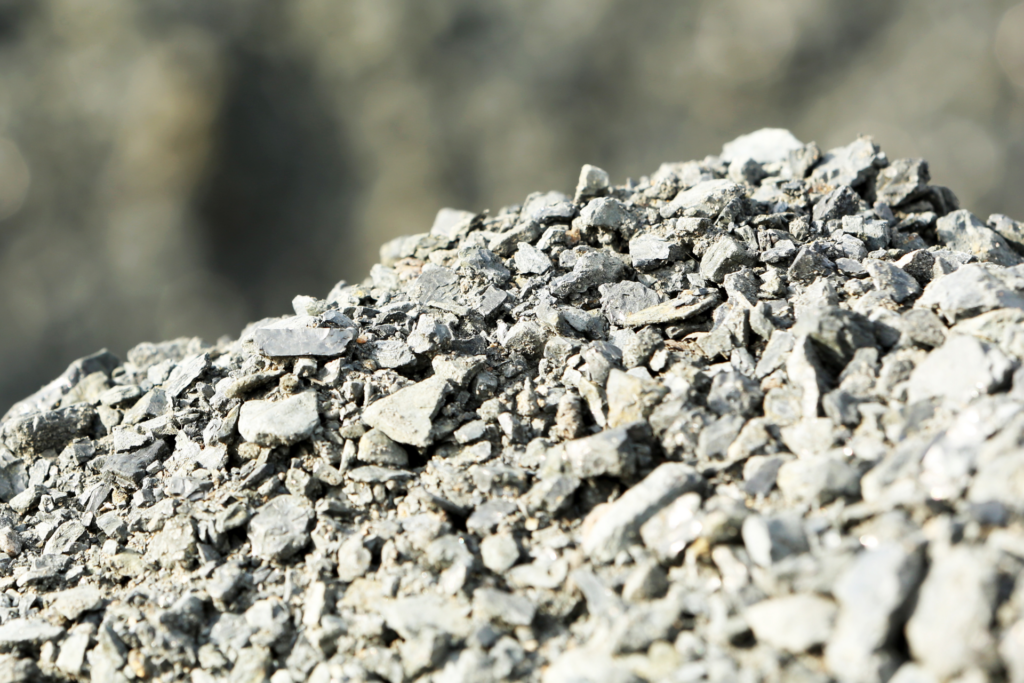
A driveway sub base is the structural foundation beneath your surface. Choose Type 1 for traditional, non-permeable driveways because it compacts tightly and supports heavy loads. Choose Type 3 for a permeable driveway because it has fewer fine particles, allowing rainwater to drain naturally and remain SUDS compliant.
While homeowners often focus on the visible finish, the foundation decides how long the driveway lasts.
When you begin planning your exterior renovation, you will immediately encounter two primary classifications of foundation materials. These are generally referred to as Type 1 and Type 3. Both materials consist of crushed stone, but they serve entirely different structural and environmental purposes. The difference lies in how the stones are graded and the amount of fine dust included in the mixture.
Type 1 is the most traditional foundation material used in UK construction. It contains a wide mixture of stone sizes, ranging from 40mm chunks all the way down to a fine dust. When builders use a heavy mechanical roller on this material, the fine dust fills all the empty voids between the larger stones. This creates an incredibly solid, hardwearing surface. It is exceptionally strong and perfectly suited for bearing heavy loads. However, because the dust fills all the gaps, water cannot pass through it easily. Therefore, Type 1 is the best option for block paving, traditional asphalt, or solid concrete surfaces where water is directed towards external drainage channels.
Type 3 is specifically engineered to provide a permeable sub base for modern exterior projects. Like Type 1, it contains crushed stone up to 40mm in size. The crucial difference is that Type 3 has the vast majority of the fine dust particles removed. When contractors compact this material, tiny voids remain open between the larger stones. These voids create pathways for rainwater to flow directly through the foundation and into the natural ground below.
Because of this open structure, Type 3 is the mandatory choice for any SUDS compliant project. The Sustainable Drainage Systems regulations in the UK require new frontages to manage surface water responsibly. If you are building a surface that needs to absorb heavy rain, Type 3 provides the perfect balance of structural support and water management. Choose Type 1 if you are building a sealed surface. Choose Type 3 if you are building an eco-friendly surface that allows natural water absorption.
Over the past decade, the UK has experienced a significant shift in how homeowners approach their landscaping projects. Permeable surfaces are no longer just a niche environmental option. They have become the standard choice for responsible property development.
This growing popularity is directly linked to the increasing frequency of heavy rainfall and subsequent urban flooding. Traditional sealed surfaces force rainwater into the public sewer network. During severe storms, these networks become rapidly overwhelmed. This leads to flash flooding, environmental damage, and contaminated water flowing into natural rivers. By choosing a permeable driveway, property owners take direct action to relieve pressure on the public drainage infrastructure.
When you install a surface that allows water to pass through, you help replenish the natural groundwater levels in your local area. The rainwater filters naturally through the stones and the soil, which removes pollutants before they reach local watercourses. This environmental benefit is highly valued by modern homeowners who want to make sustainable choices.
Additionally, local planning authorities now strictly enforce environmental regulations. If you want to pave over a front garden using traditional sealed materials, you often need to apply for complex and expensive planning permission. However, if you use materials that manage water naturally, you can usually bypass the planning permission process entirely. This saves homeowners significant amounts of time, money, and administrative stress.
To achieve this natural drainage, the surface material must be paired with the correct foundation layer. Even the most porous surface gravel will flood if it sits on top of an impermeable foundation. This is why proper foundation selection is absolutely vital. You must use a Type 3 foundation alongside a reliable gravel grid system to ensure the entire structure manages water effectively from top to bottom.
A loose stone surface offers a beautiful, traditional aesthetic that complements almost any style of British architecture. However, loose stones come with inherent practical challenges. Without proper structural support, the stones will inevitably migrate across your property. Cars will push the stones into deep ruts, and foot traffic will drag the material onto the adjacent pavement or into your home.
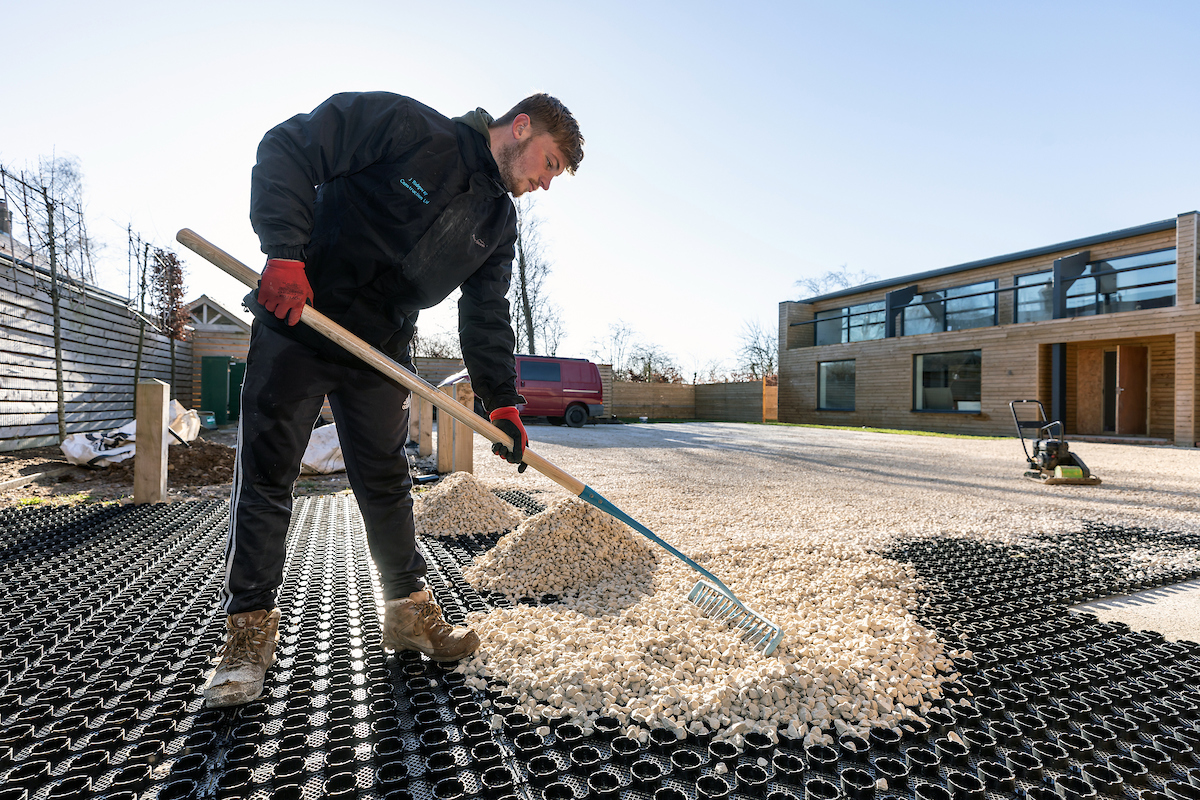
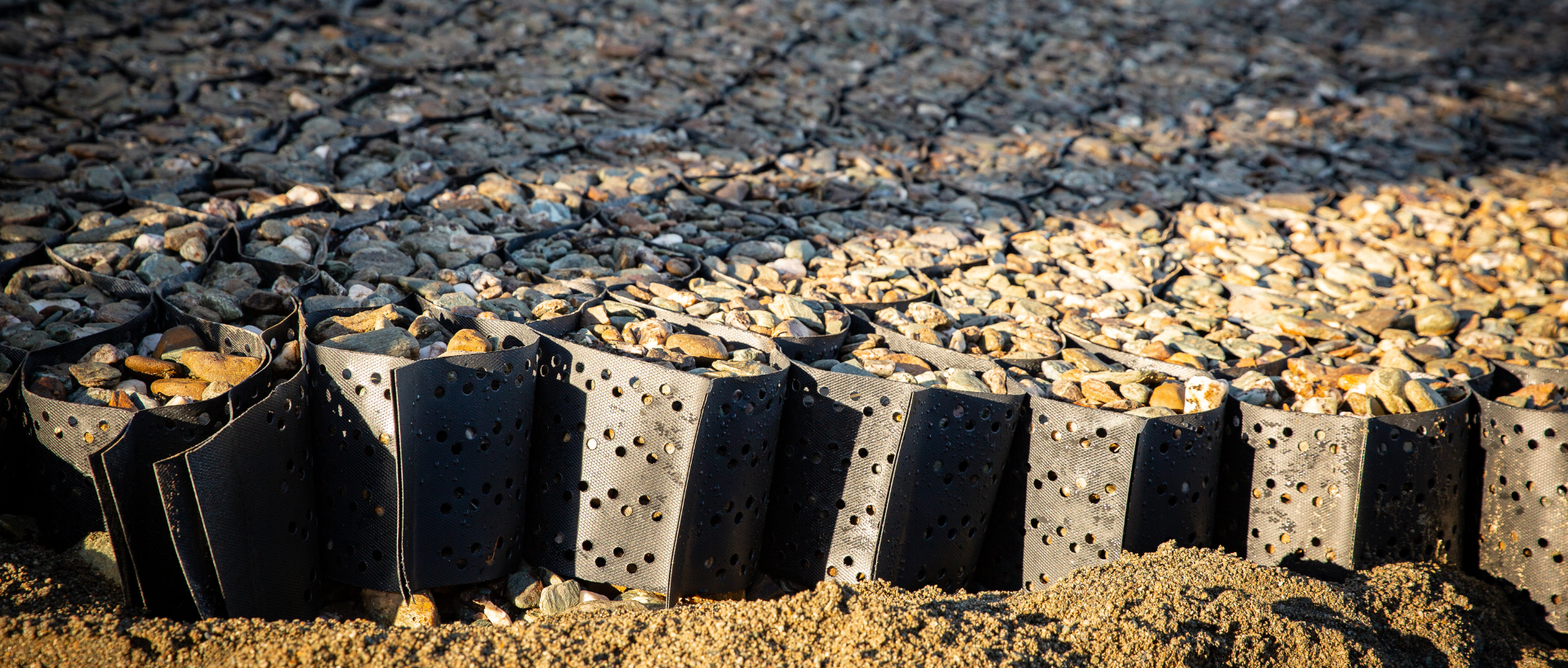
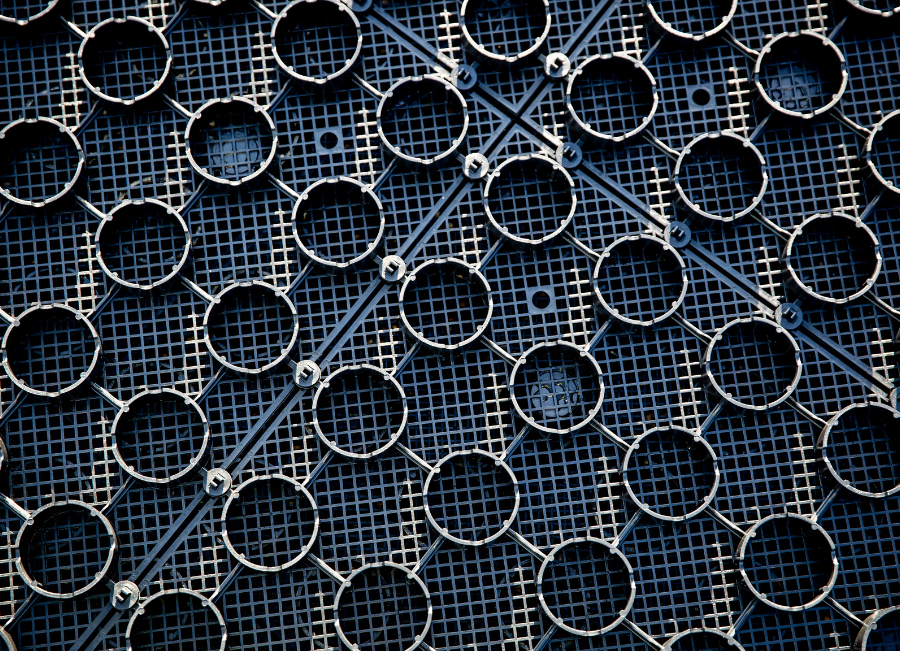
This is where a high-quality driveway gravel grid becomes an essential component of your project. These innovative landscaping grids are installed directly over your prepared Type 3 foundation. The grid features interconnected cellular structures that lock the loose stones firmly in place. Once the stones are confined within the grid cells, they cannot spread, scatter, or migrate under the pressure of heavy vehicle tyres.
The primary function of a premium gravel stabiliser is to deliver a perfectly flat, low-maintenance finish. The grid prevents the formation of unsightly potholes and uneven ridges. It provides a highly stable surface that is safe and comfortable for pedestrians, cyclists, and wheelchair users.
Furthermore, these grids are designed to work perfectly alongside your natural drainage strategy. The open cellular structure allows rainwater to pass freely through the surface stones, down into the Type 3 foundation, and safely into the earth below. The grid also distributes the weight of heavy vehicles evenly across a much larger surface area. This prevents localized pressure points and protects the underlying foundation from sinking or failing over time.
One additional factor that contributes to a professional and long-lasting driveway installation is effective edge restraint. While the gravel grid helps stabilise the surface, a quality aluminium border system is equally important for keeping the aggregate neatly contained. Proper gravel driveway edging solutions, such as aluminium edging designed specifically for landscaping applications, create a clean separation between the gravel surface and surrounding planting beds, lawns, or paving features. This helps maintain crisp visual lines while reducing the likelihood of aggregate migration beyond the driveway boundary.
When combined with a high-performance plastic grid for gravel, edging systems enhance overall surface stability by supporting the perimeter of the installation and preventing lateral movement. Together, these components create a more durable finish that remains attractive and functional under regular vehicle use. For homeowners seeking a low-maintenance solution, investing in both effective edge restraint and gravel stabilisation technology can significantly improve the lifespan and appearance of the completed driveway.
Selecting the correct foundation layer is the most critical step in creating a beautiful, long-lasting exterior surface. By understanding the functional differences between Type 1 and Type 3 materials, you can ensure your project meets strict UK drainage regulations while providing exceptional structural support. Combining the right foundation with a premium gravel stabilisation system guarantees a flawless finish that remains perfectly flat and highly functional for decades.
Whether you are a professional contractor or a homeowner planning a major exterior renovation, investing in the right structural components will save you time and money in the long run.
To discover more about creating the perfect exterior surface, explore the innovative solutions available at https://beauxfort.com/.