
Gravelrings
Gravel grid system
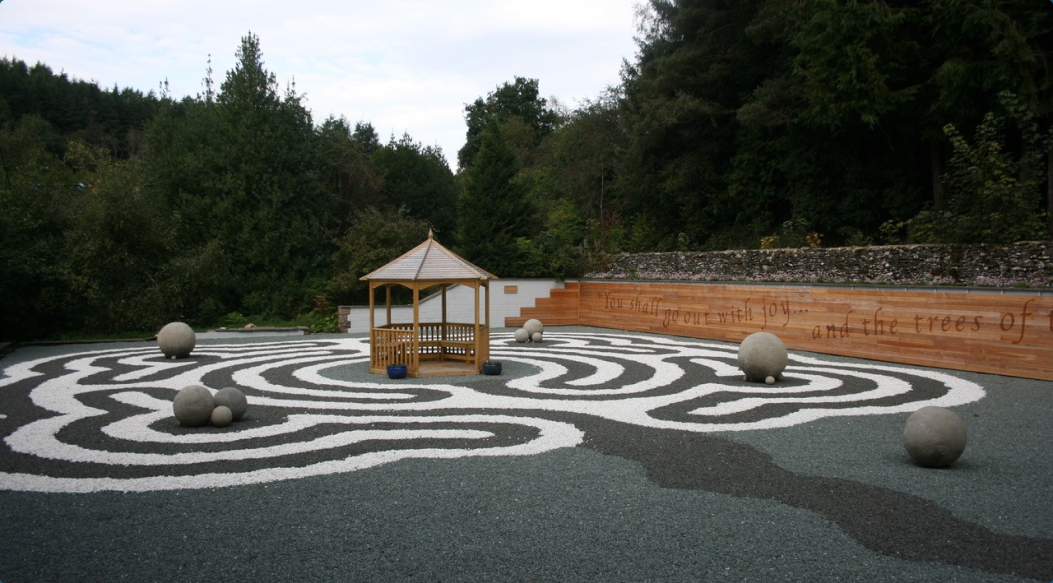

A turning circle or sweeping driveway can transform the approach to a property. Curving gravel framed by lawns, planting or traditional borders creates an elegant first impression. But an attractive turning area must also accommodate everyday vehicle movements, retain its surface and manage rainfall effectively.
Without proper planning, loose gravel can shift under turning tyres, leaving ruts, uneven patches and untidy edges. The solution is to combine a practical layout with suitable ground preparation, gravel stabilisation, effective edging and appropriate drainage.
Before ordering materials, consider how the turning area will fit the property and how vehicles will use it. A circular turning area can create a striking focal point on a spacious frontage, while a sweeping curve may suit a narrower entrance or a driveway that follows the garden’s natural contours.
Plan around:
There is no single layout or dimension suitable for every property. Sketching the proposed route and checking vehicle movements before excavation can help prevent expensive adjustments later.
For inspiration, explore Beauxfort’s driveway design ideas from the UK’s stately homes, which include examples of sweeping approaches and practical turning circles.
Even the most attractive gravel surface depends on a stable foundation. Ground preparation helps the driveway withstand repeated traffic and reduces the risk of sinking, rutting and uneven coverage.
The process generally involves removing unsuitable topsoil, addressing soft areas and preparing a firm sub-base suited to the ground conditions and expected vehicle loads. A suitable geotextile membrane may also be needed to separate the soil from the aggregate layers.
The correct construction method depends on the site, drainage requirements and intended use. For a more detailed explanation of the installation sequence, read Beauxfort’s guide to installing a gravel driveway grid system.
Getting these foundations right is particularly important on turning areas, where steering and braking place additional demands on the surface.
Loose gravel can move when vehicles turn, accelerate or brake. On a turning circle, this repeated lateral movement can leave bare patches, tyre ruts and stones scattered across neighbouring lawns or paths.
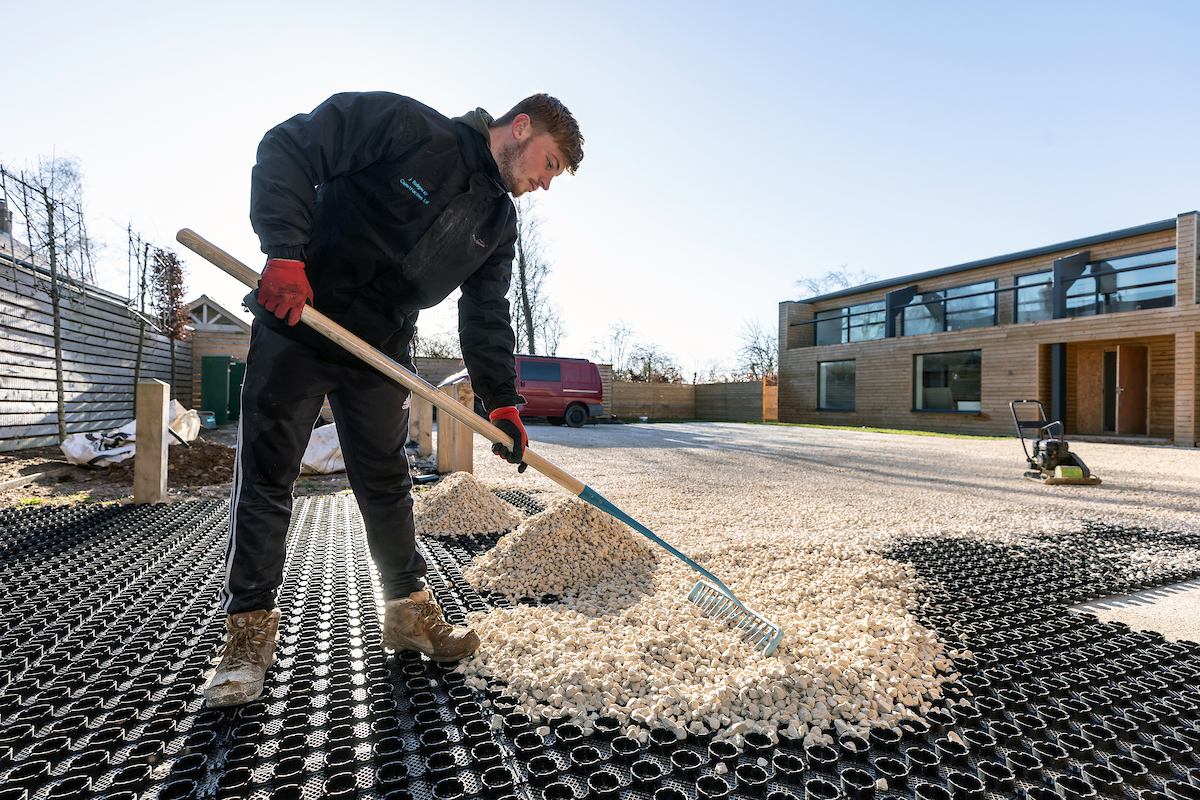
Beauxfort’s Gravelrings gravel retention system is designed to help address this problem. Its interlocking panels feature circular cells and an integral mesh base. The cells retain gravel, while the mesh helps prevent stones from working beneath the panels and lifting them out of position.
Once correctly installed and filled with suitable gravel, the system remains concealed beneath the surface, preserving the traditional appearance of a gravel driveway while providing additional stability.
Gravelrings is designed to accommodate driveway contours and can be cut to fit the layout. However, installation details, including suitable aggregate and any required fixings, should follow Beauxfort’s guidance, particularly where the turning area includes slopes or other challenging ground conditions.
Edging defines the boundary between gravel and adjoining lawns, planting beds, paths or paving. It is especially important around curved driveways, where a poorly contained edge can quickly become untidy.
Beauxfort’s Graveledge edging system is designed for gravel driveways and paths, with flexible profiles for curves and rigid options for straight runs. Manufactured from aluminium alloy, it provides a neat boundary while helping minimise gravel migration.
The flexible profile can follow the sweeping lines of a driveway or the curve around a central island. This allows the edging to complement the design rather than interrupt it with awkward angles.
When planning the perimeter, consider how the edging will meet existing paths, lawns and other surfaces. A consistent, well-defined border helps the whole turning area look considered and makes routine maintenance easier.
Rainfall management should be considered from the start of a driveway project. Poorly designed drainage can leave standing water, soft spots and surface deterioration, particularly where the ground drains slowly.
Gravelrings is designed as a permeable gravel retention system, allowing water to pass through the gravel surface. Beauxfort describes the system as SuDS-compliant. However, the drainage performance of a complete installation also depends on the underlying ground, sub-base and overall site design. Check the relevant requirements for your project rather than assuming that every gravel driveway automatically meets them.
Maintenance is still necessary, but a well-designed surface can make it more manageable. Inspect the driveway periodically, check that edging remains secure and remove accumulated leaves or debris. Addressing small issues early helps preserve both the appearance and performance of the turning area.
A successful turning area balances appearance with everyday practicality. The layout needs to suit the property, the foundation must support expected traffic, the gravel needs to stay in place, and the edges should follow the intended design.
Gravelrings and Graveledge address two important parts of this combination: gravel retention across the surface and a defined perimeter around it. Used where appropriate and installed correctly, they help create a consistent gravel finish for circular turning areas and sweeping approaches.
A well-planned turning circle should be easy to navigate, complement the property and remain attractive through regular use. Careful preparation, effective gravel stabilisation, considered edging and suitable drainage all contribute to that result.
To explore Beauxfort’s landscaping systems and gravel driveway solutions, discover the options available for your project and find a system suited to your site.