Gravelrings
Gravel grid system
Unstable gravel driveways are a common frustration for property owners. Rutting, sinking stones, and poor surface drainage can quickly turn a beautiful entrance into a messy problem. A flawless surface actually relies entirely on what lies hidden beneath it. The foundation is far more important than the decorative stones you see on top. If the ground underneath is not prepared correctly, even the best surface materials will eventually fail. This guide will break down the essential layers, material choices, and the correct installation order required to build a stable and long-lasting gravel driveway.
The sub base is the structural heart of any driveway project. It absorbs the weight of vehicles and distributes that load evenly across the ground below. Without a strong foundation, the soil beneath will shift under pressure and cause the surface to sink or become uneven over time. A robust sub base ensures your driveway remains flat and stable for decades.
Drainage is another critical factor. A well-constructed permeable sub base allows rainwater to soak naturally into the ground rather than pooling on the surface or overwhelming local drainage networks. This natural water management is essential for meeting Sustainable Drainage Systems regulations in the UK. When you combine proper load distribution with excellent drainage, you create a surface that requires very little maintenance.
Building a reliable driveway means understanding the specific function of each layer beneath the surface. Every component plays a distinct role in keeping the gravel secure and the ground stable.
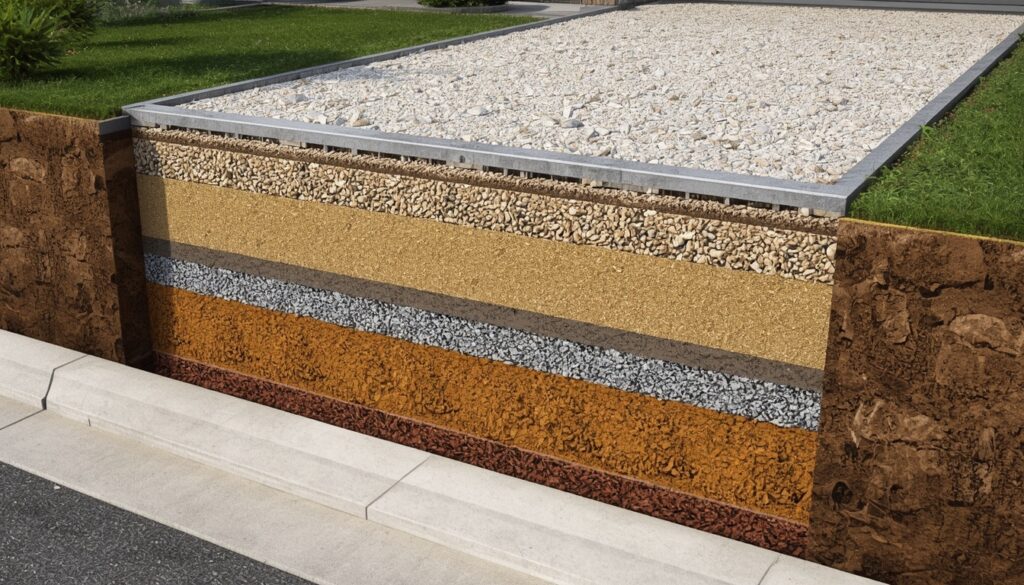
The first step in any driveway project involves removing the topsoil. Topsoil is rich in organic matter, which makes it soft and prone to shifting. You must excavate down to a solid, load-bearing layer of subgrade soil. Once the correct depth is reached, the ground must be levelled and compacted thoroughly. A smooth and firm starting point prevents uneven settling later in the project.
The primary load-bearing layer is constructed using a crushed stone material. Installers typically use MOT Type 1 or a similar crushed aggregate because it interlocks tightly when compacted while still providing structural integrity. This driveway sub base must be compacted in stages to remove air pockets and create a rock-solid foundation. For a standard residential driveway, this layer is usually around 150 millimetres deep, though heavier traffic may require a thicker base.
When local UK planning regulations require a fully compliant Sustainable Drainage System, the sub base material must change. Standard MOT Type 1 contains fine dust that can block water flow. Instead, a Type 3 aggregate or a clean crushed stone like 4/20 millimetre limestone is used. These materials lack the fine dust particles, leaving tiny voids that allow rainwater to pass through easily. This approach prevents surface flooding and keeps your project compliant with environmental guidelines.
A professionally installed driveway requires more than decorative gravel and a strong surface grid. Long-term stability also depends on choosing the correct edging and drainage structure beneath the surface. Incorporating a properly designed permeable sub base helps water drain naturally through the system, reducing surface pooling and protecting the integrity of the driveway during heavy rainfall. This approach also supports sustainable drainage performance while improving the lifespan of the installation.
Equally important is selecting the right border restraint. In many premium driveway projects, contractors now rely on aluminium profiles for stone driveway edging applications, as they create a clean separation between the gravel surface and surrounding landscape borders without disrupting the overall appearance. Unlike bulky concrete restraints, aluminium edging provides a discreet and durable finish that helps maintain crisp lines while preventing aggregate migration over time.
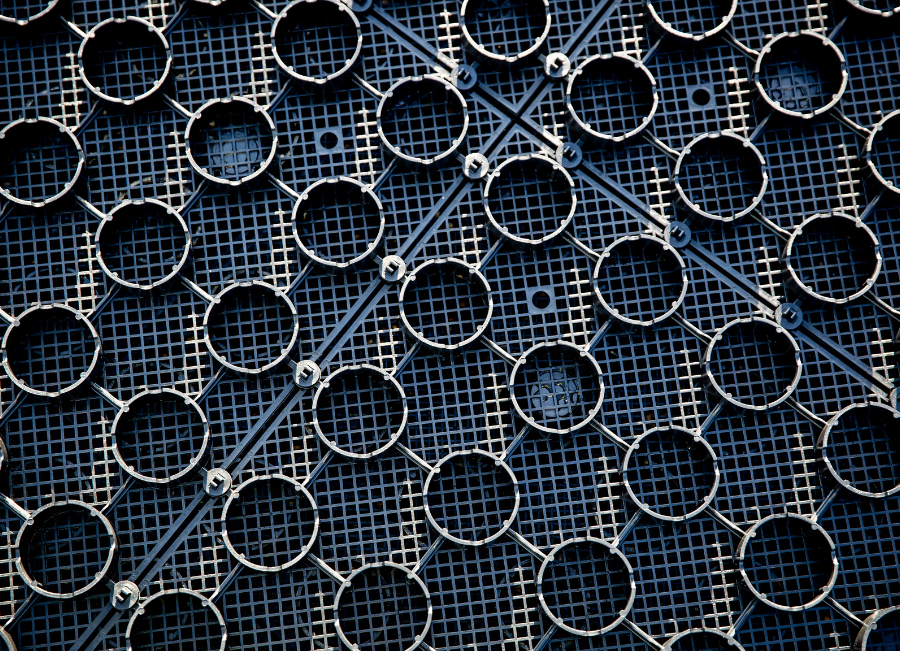
A geotextile membrane acts as a separation barrier between the soil and the sub-base. It stops mud and fine soil particles from moving up into the clean stone, helping the sub-base maintain its drainage and load-bearing performance. The membrane should only be installed below the sub-base, not directly beneath the gravel grid system. Placing a membrane under the grid can encourage weed growth and is not recommended.
An additional factor that contributes to a professional and long-lasting driveway installation is the correct use of a geotextile membrane beneath the surface. While the gravel grid helps stabilise the aggregate, the membrane plays an important role in keeping the sub-base layers separate. This helps maintain the structural integrity of the installation, supports effective drainage, and preserves the permeability of the system over time. By preventing the different construction layers from mixing, the membrane contributes to improved long-term stability and performance.
Equally important is the use of quality aluminium edging for gravel driveway edging applications. These edging profiles create a clean separation between the gravel surface and surrounding planting beds, lawns, paving, or other decorative features, helping to retain aggregate and maintain crisp visual lines. When combined with a high-performance plastic grid for gravel, the edging system enhances perimeter stability and reduces lateral movement. Together, these components create a durable, low-maintenance surface that remains attractive and functional under regular vehicle use while helping to preserve the intended shape and appearance of the driveway.
Following the correct sequence is critical for a successful driveway build. Even top-tier materials will fail if they are laid in the wrong order.
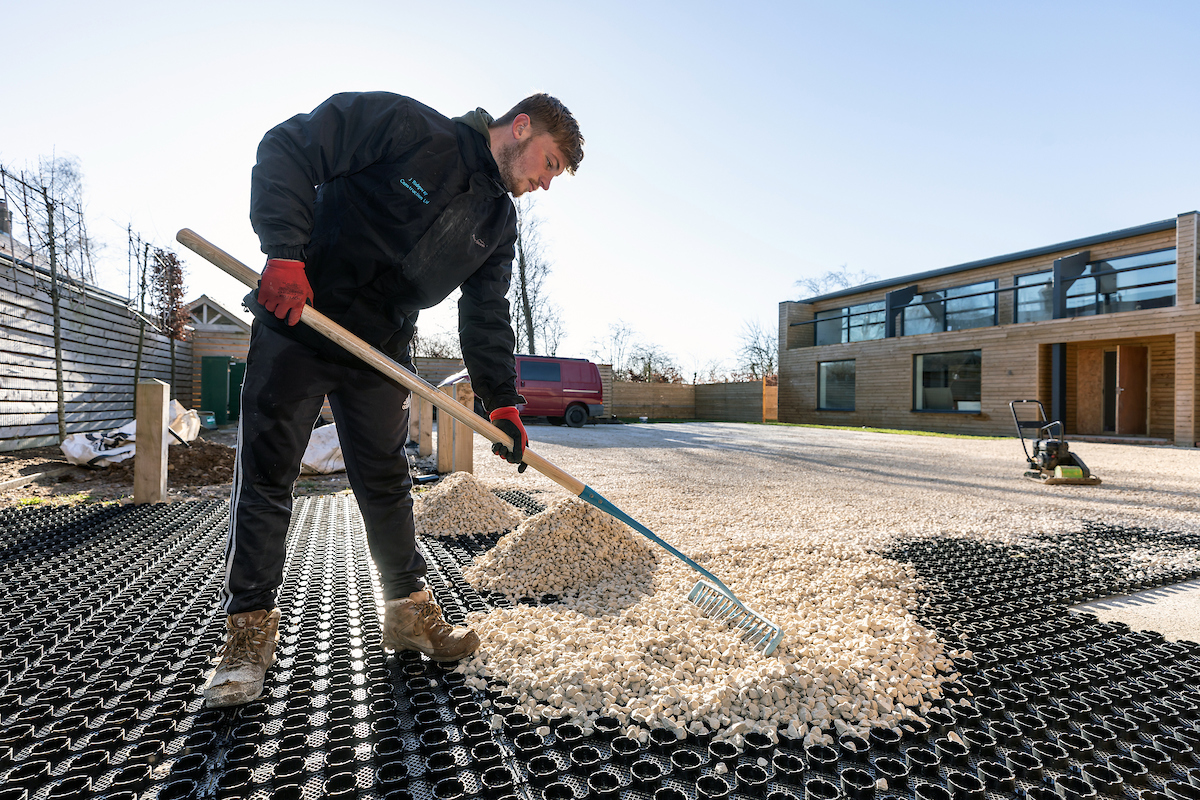
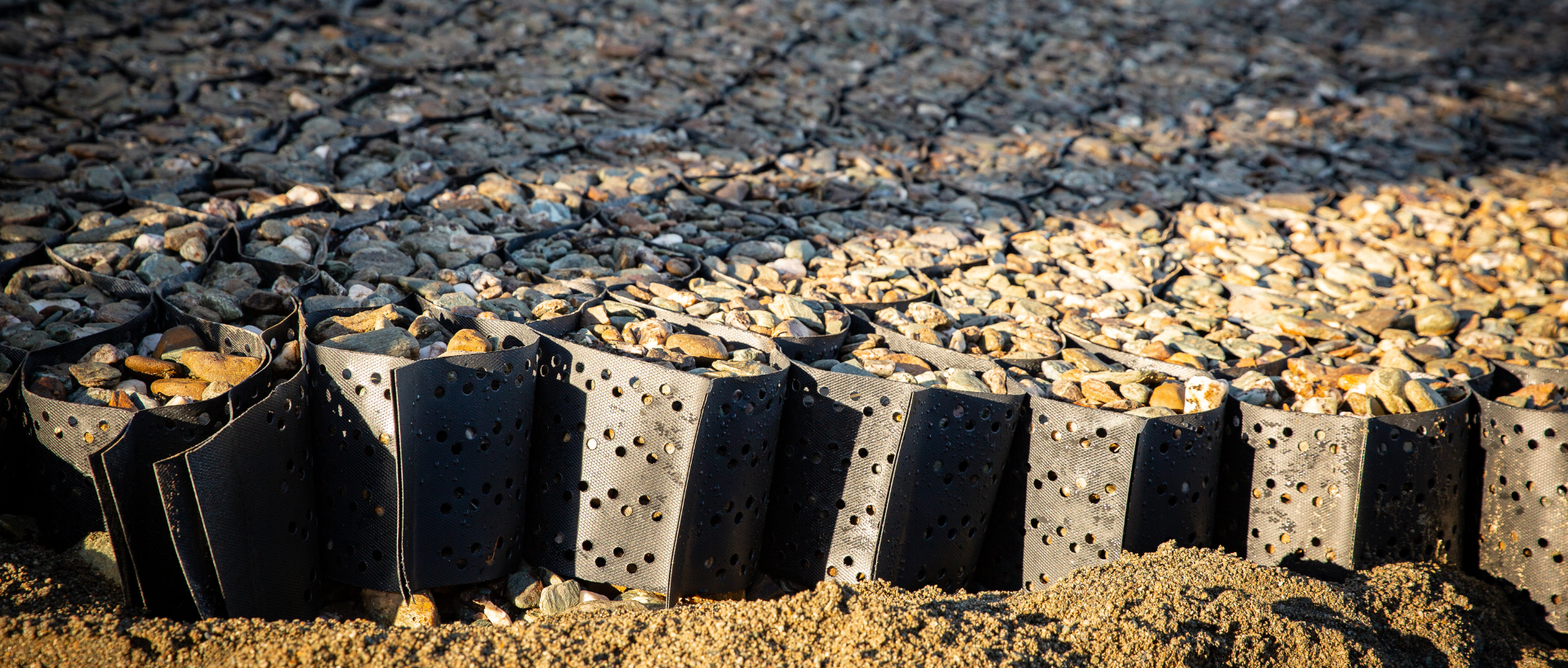
A high-quality grid system completely transforms how a gravel surface performs. The cellular structure traps the stones and prevents them from moving under the weight of vehicle tyres. This stops ruts from forming and eliminates the need for constant raking and maintenance.
The grids also distribute weight more effectively across the sub base, which increases the overall load-bearing capacity of the driveway. Modern solutions are specifically designed to remain completely hidden beneath the surface. You get the timeless visual appeal of traditional loose stone but with the structural stability of a hard paved surface.
Cutting corners during installation always leads to problems down the line. Avoiding a few frequent errors will save you time and money.
Calculating the total excavation depth requires working backwards from your finished surface height. You must account for the depth of the grid itself plus the thickness of your compacted foundation.
A pedestrian pathway might only need a 75 millimetre foundation, whereas a standard residential driveway needs at least 150 millimetres. Commercial areas with heavy goods vehicles require even deeper foundations. You must balance the need for structural strength with the requirement for adequate water drainage. Getting the gravel driveway depth correct during the planning stage ensures the finished surface sits perfectly flush with surrounding paths and borders.
Building a reliable gravel surface requires careful attention to the unseen layers. Proper excavation, the right choice of aggregate, and a high-quality grid system work together to create a stunning and durable entrance. Taking shortcuts on the foundation will always compromise the final result. Focus on long-term performance and invest the time required to install each layer correctly.
For property owners and professionals looking to create a flawless and long-lasting finish, using the right materials is the best place to start. Explore the range of premium solutions, calculate your material requirements, and find installation support by visiting Beauxfort.