
Gravelrings
Gravel grid system
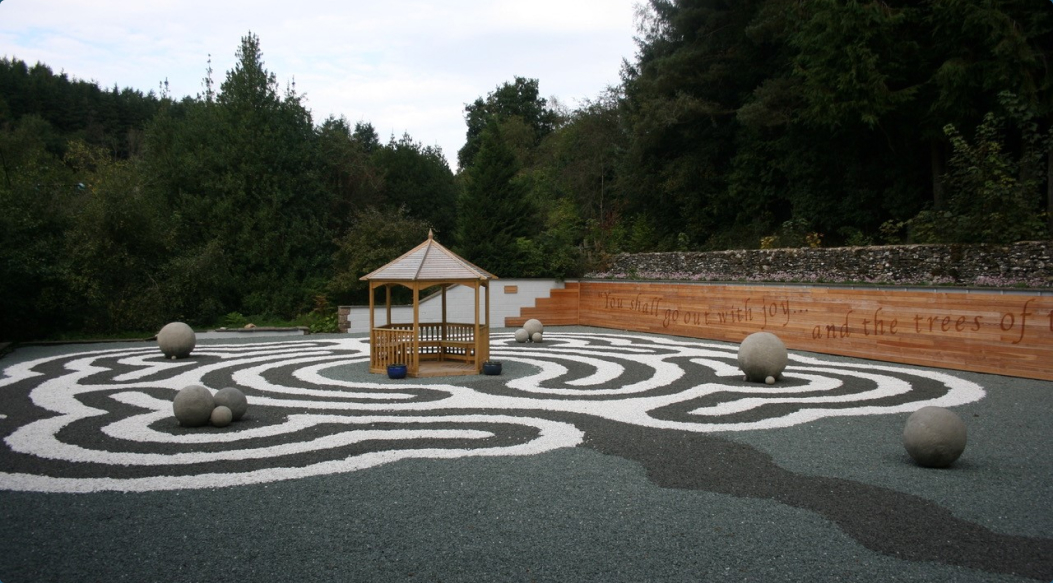
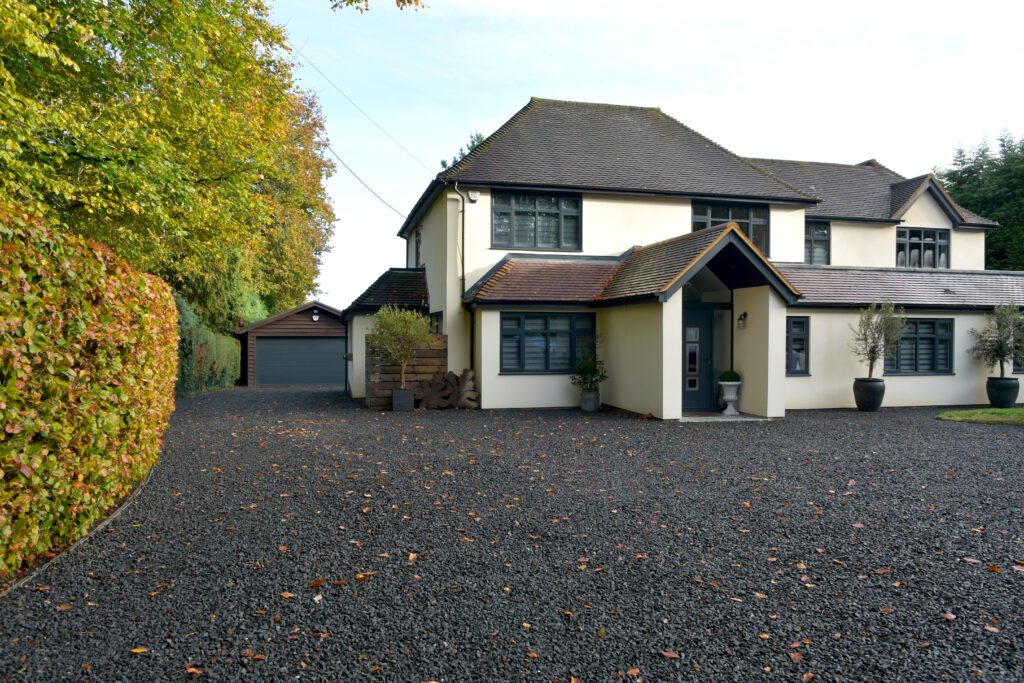
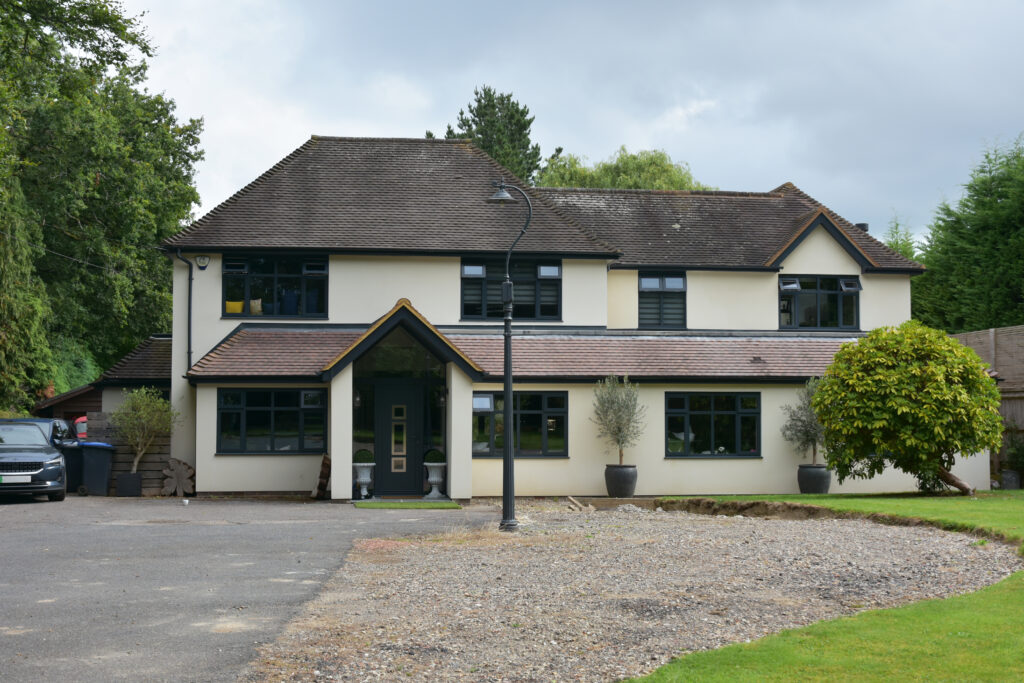
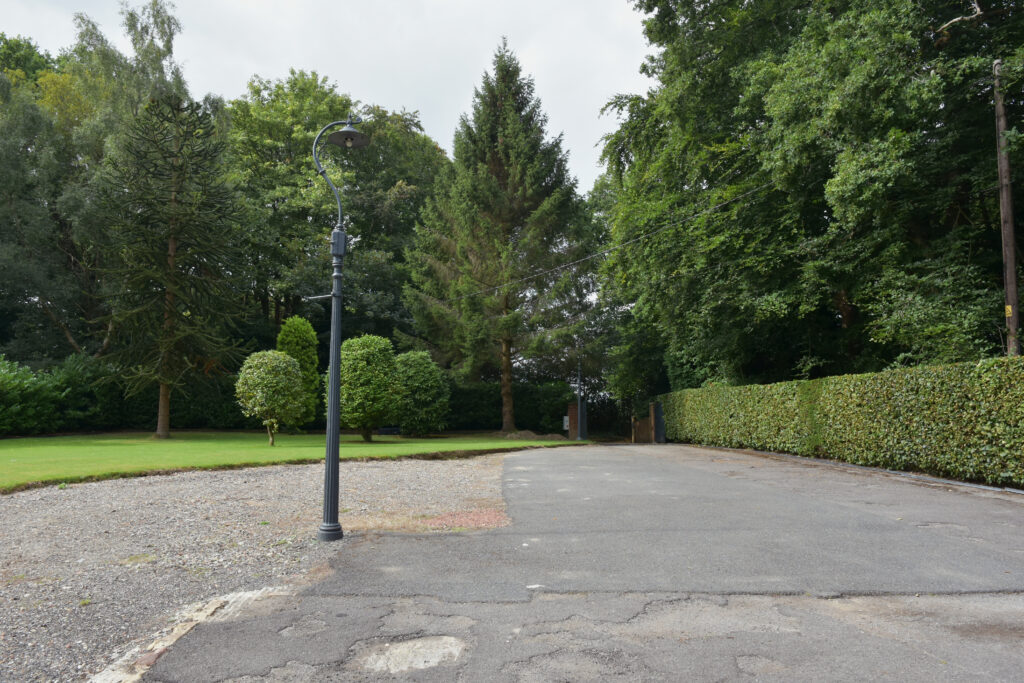
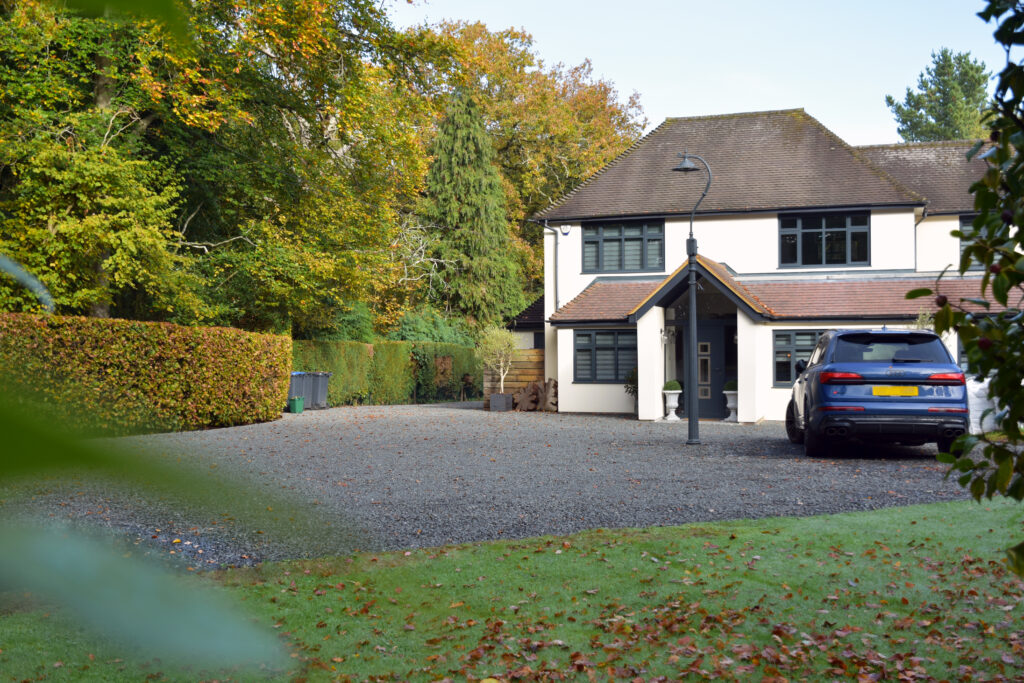
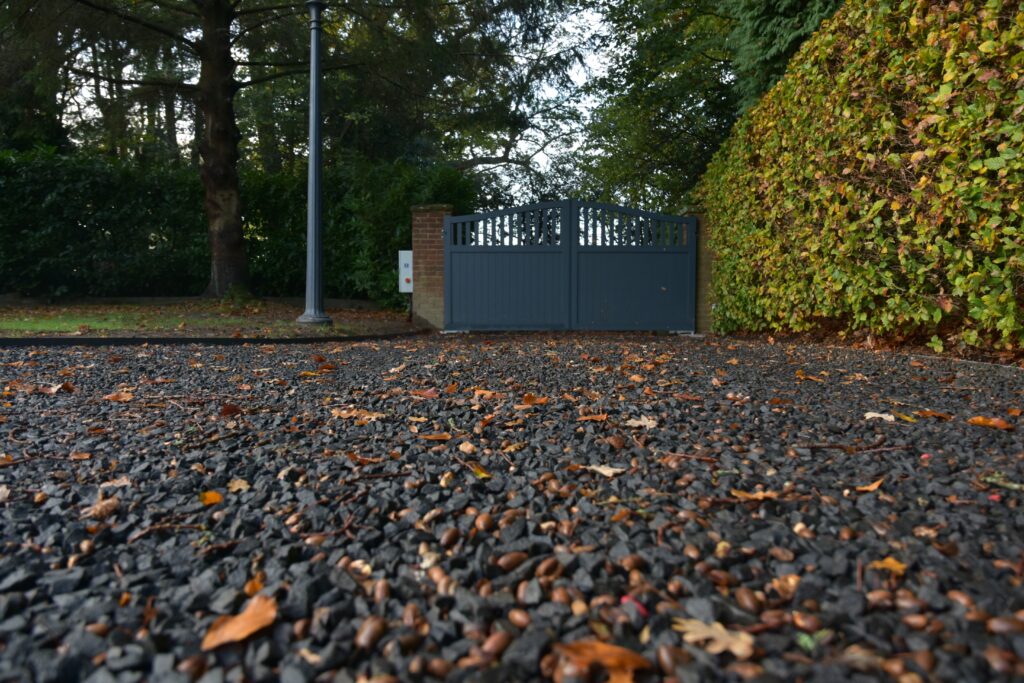
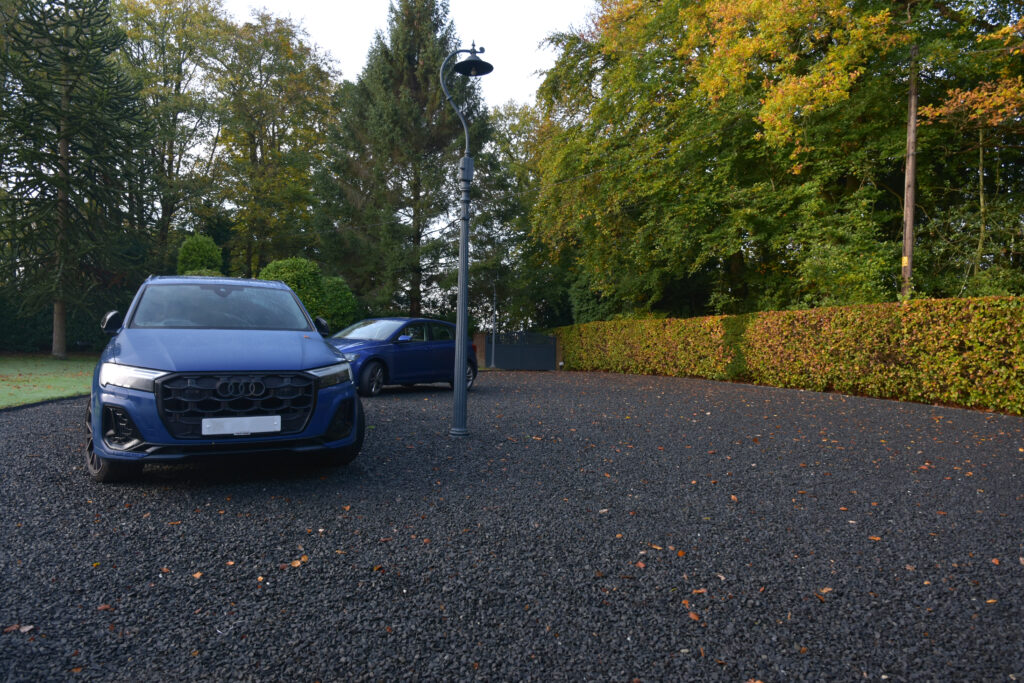
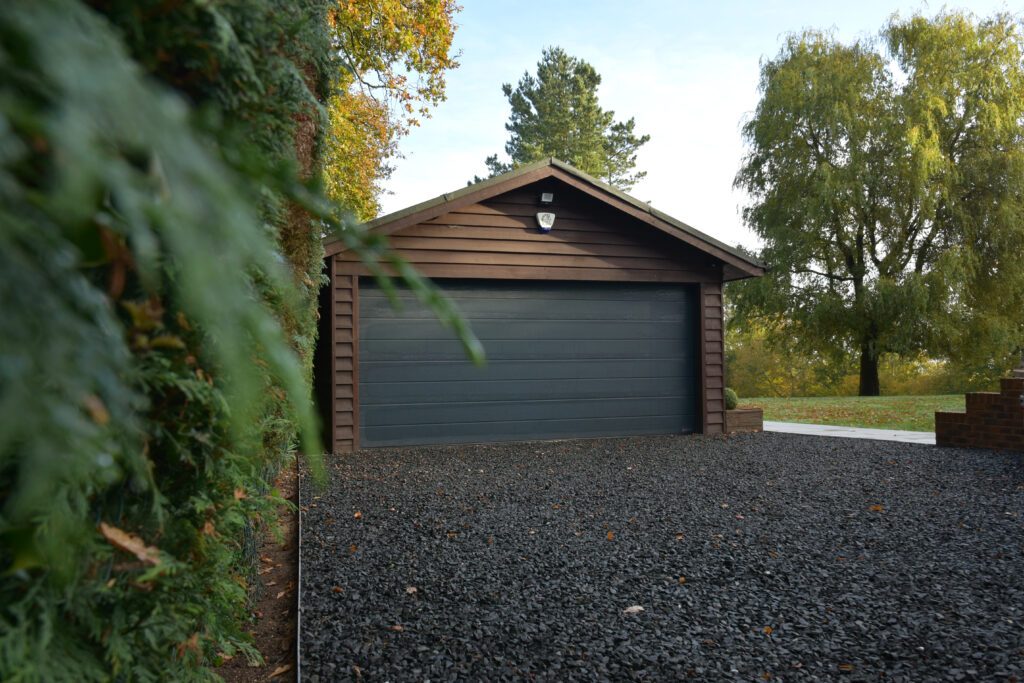
JW Building & Landscaping were appointed to deliver a 460 sqm driveway transformation at Two Jays, replacing a tired and worn tarmac surface with a contemporary gravel finish. The design included a turning circle and gradual changes in level, rising from the entrance gate before falling towards the garage, making stability across the site a key requirement.
While the product specification had already been selected, the installation drew on James White’s experience of working with more traditional gravel systems. On previous projects, membrane-based approaches often led to familiar issues over time, including gravel movement, visible grids and the need for regular maintenance to keep the surface looking consistent. Edging was another area where performance could fall short, particularly when exposed to changing weather conditions.
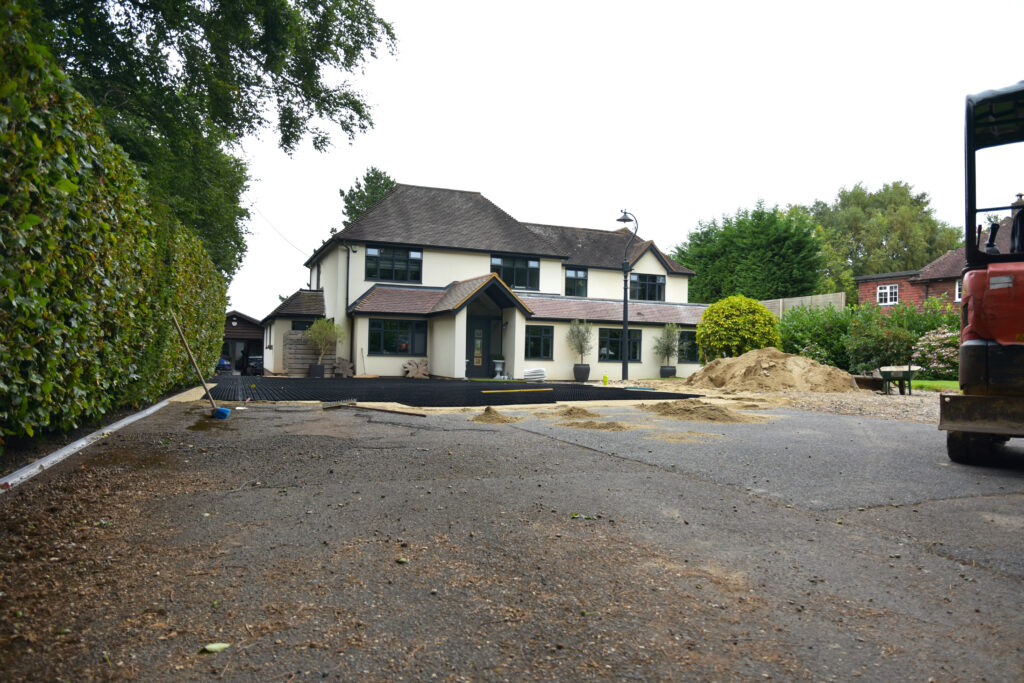
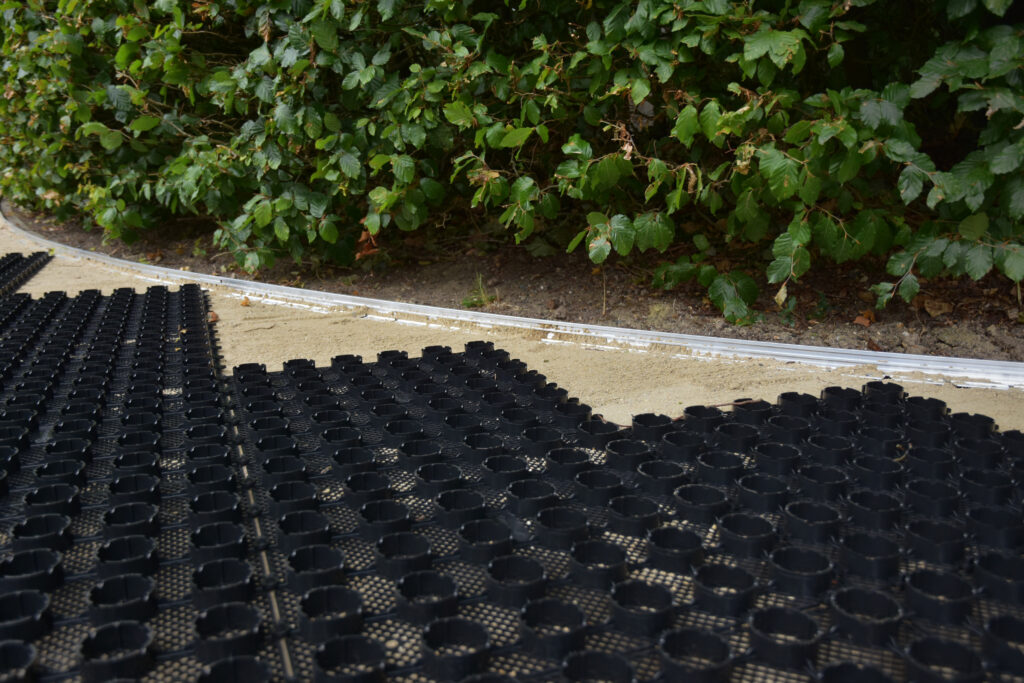
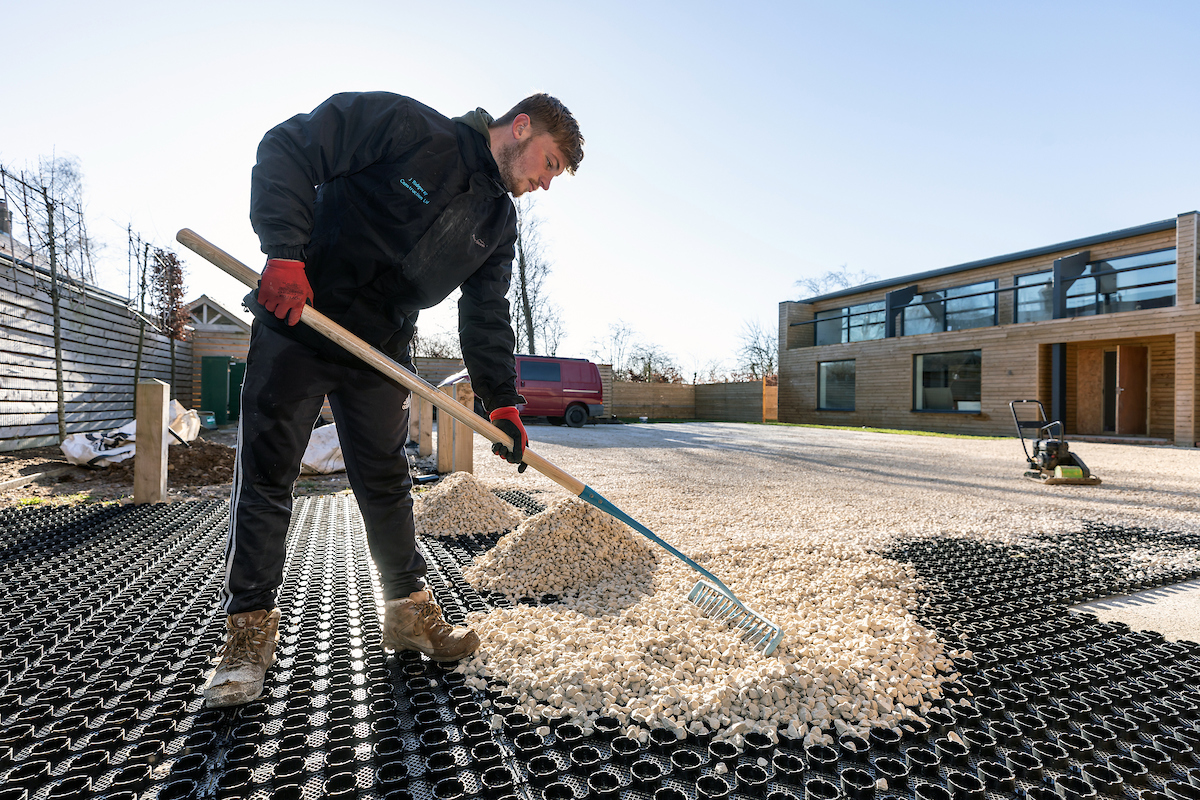
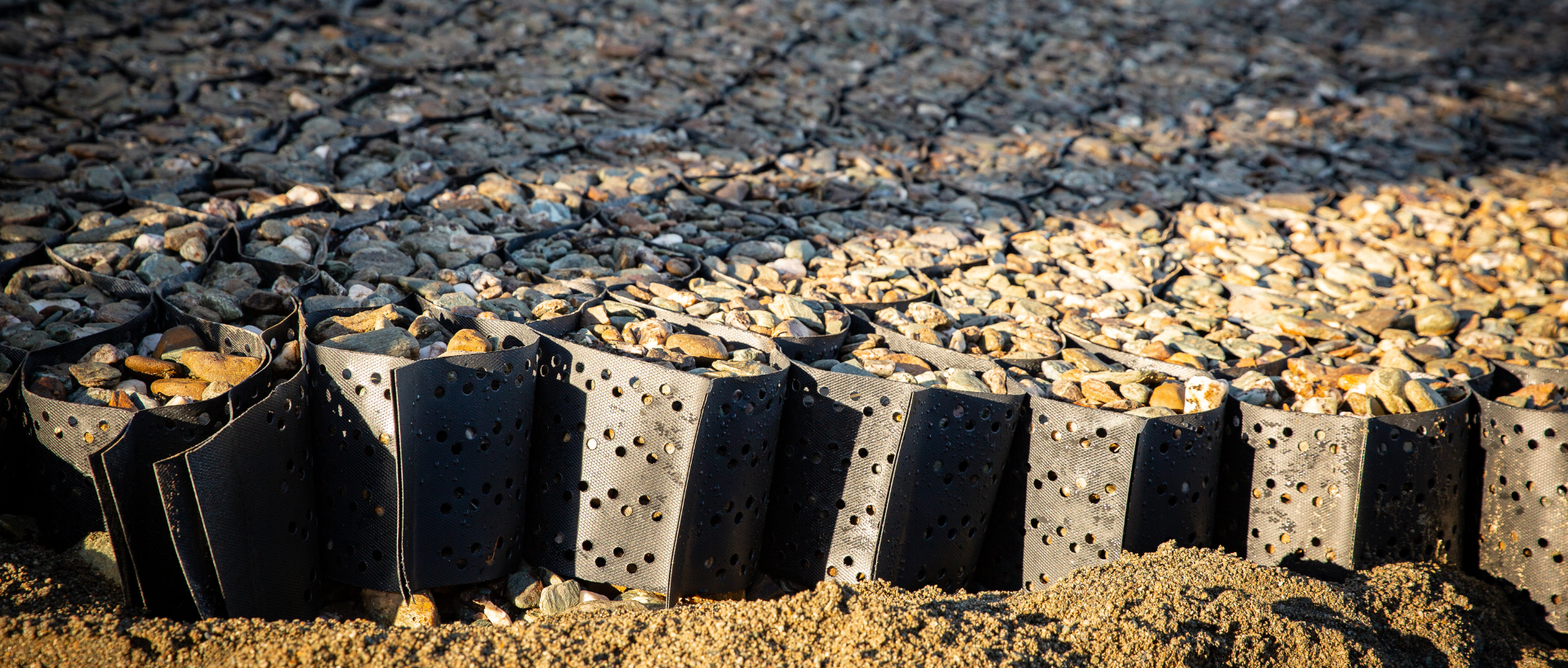
In contrast, the Gravelrings system provided a more controlled and dependable surface, offering a practical solution for gravel driveway stabilisation. Its interlocking structure holds the gravel in place, helping to prevent migration while keeping the grids concealed beneath the surface. This not only improves the overall finish but also significantly reduces the level of ongoing maintenance typically associated with gravel driveways. The grids are also designed to be pinned in place, typically using one pin per square metre to secure the system. In areas with higher traffic or steeper gradients, additional pins can be used to provide increased stability where required.
From an installation perspective, the format also proved efficient at this scale. As James explains, the system arrives in metre-square sections made up of four tiles that clip together, which makes a noticeable difference when working across larger areas. For him, “for large coverage it is a real advantage”, and overall, “it is a breeze to use”.
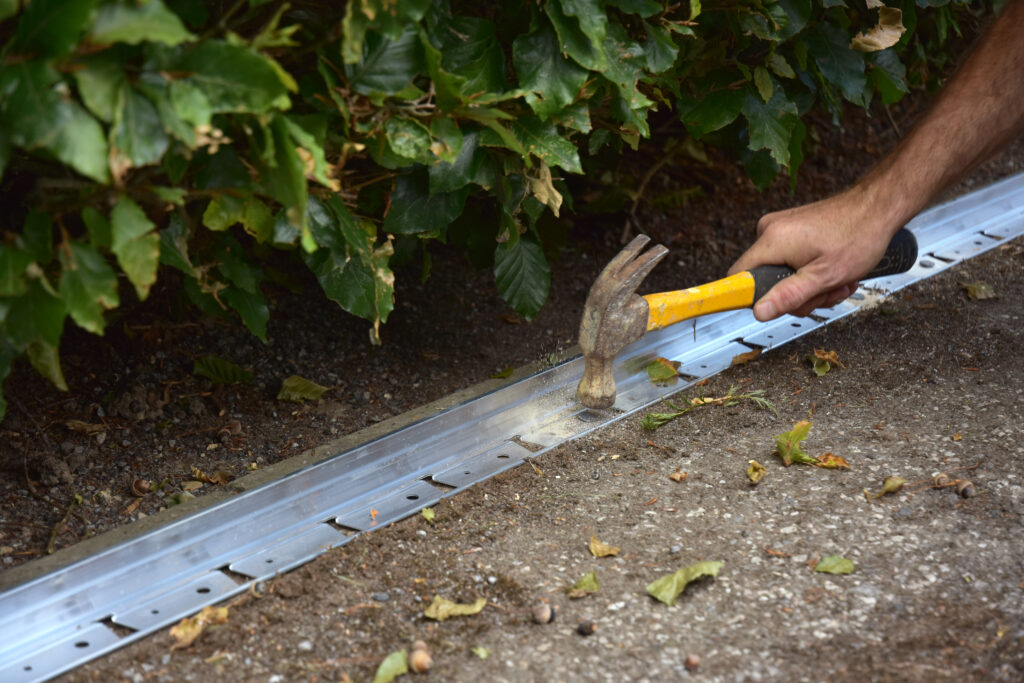
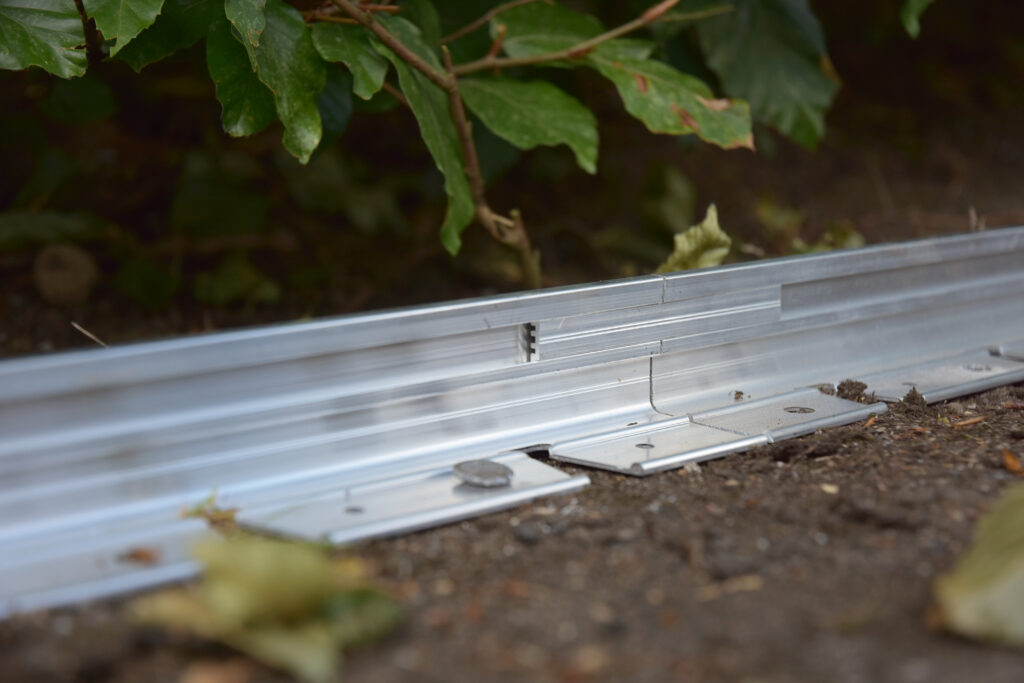
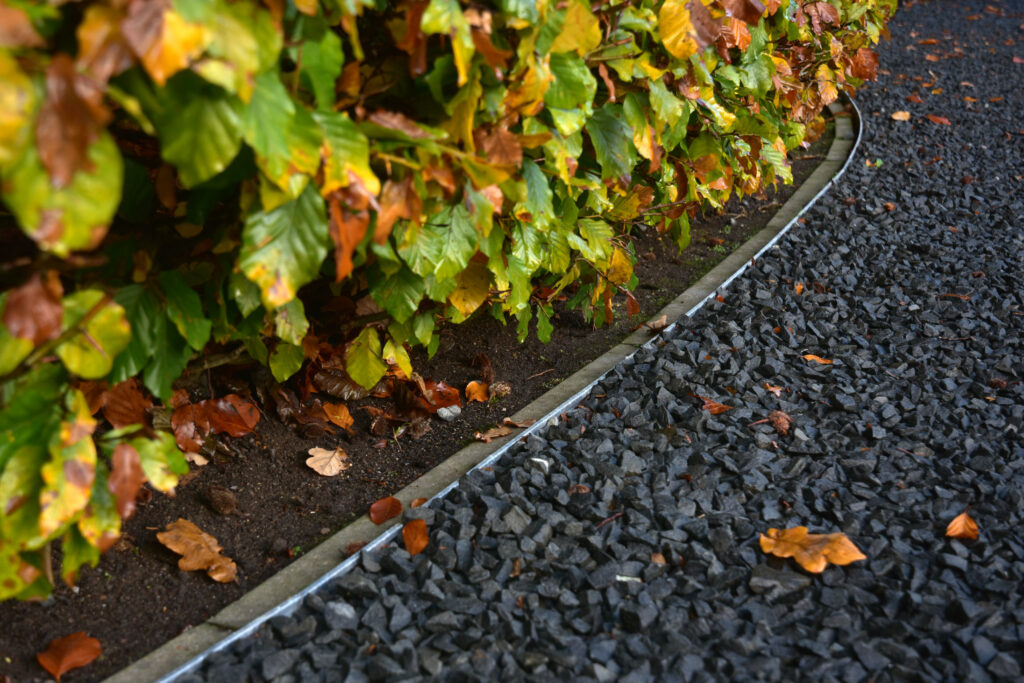
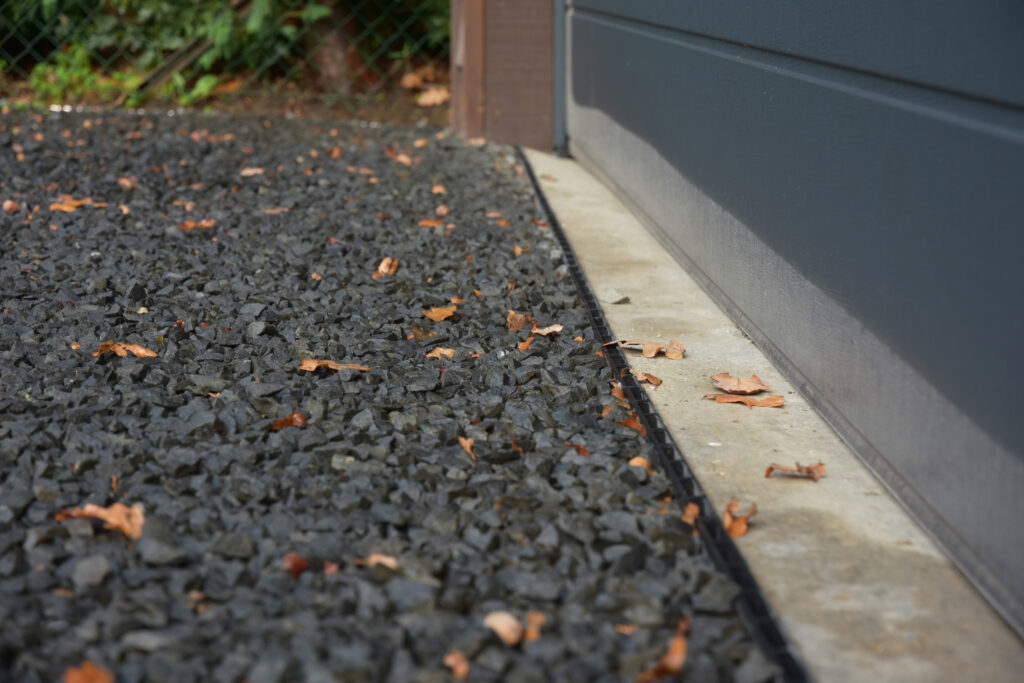
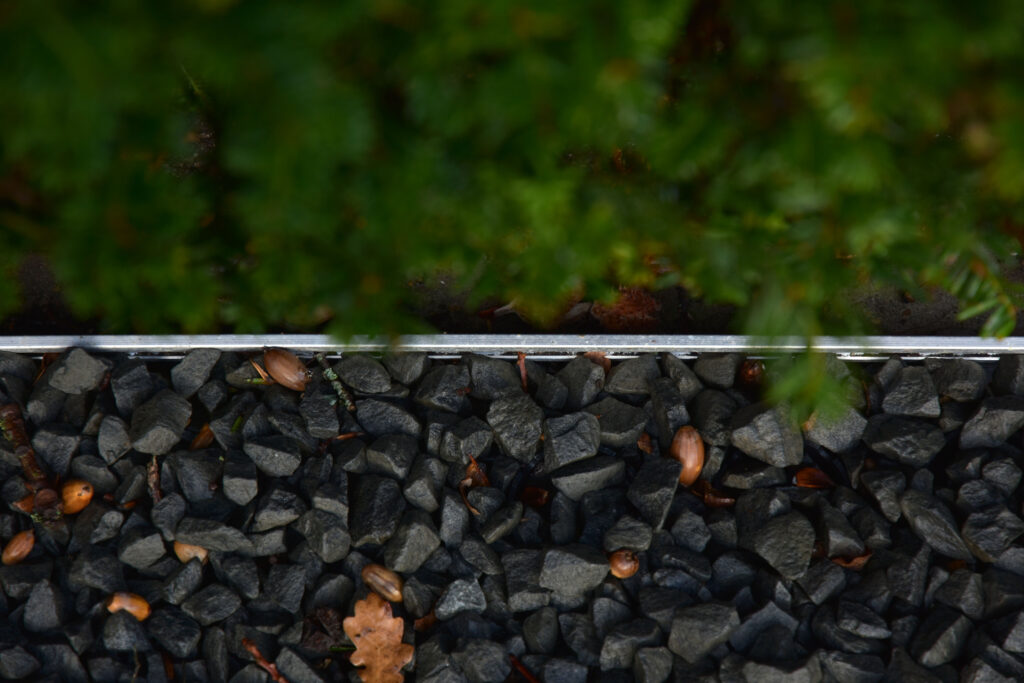
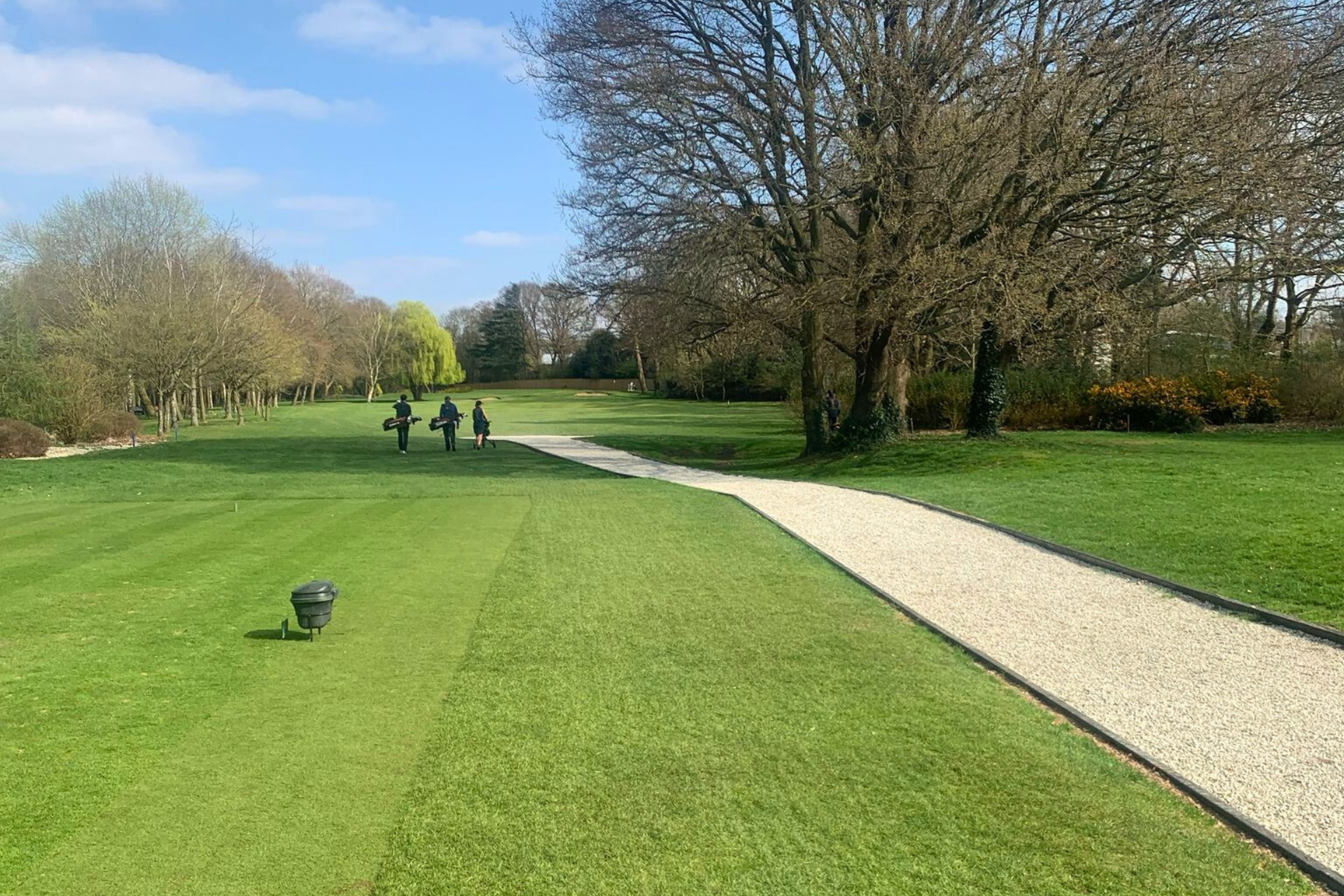
Graveledge was installed along one side of the driveway to create a clean, clearly defined edge that sits flush with the gravel surface. Compared to other edging solutions used on previous projects, this provided a more robust and consistent result. As James notes, “plastic edging is no good at all, it bends in places with weathering”, reinforcing the importance of durability in exposed conditions.
The finished driveway delivers a stable, low-maintenance surface that performs effectively across changing gradients while maintaining a sharp, contemporary appearance. By addressing common issues such as movement, maintenance and edge durability, this project demonstrates how a considered approach to gravel driveway stabilisation can provide a reliable, long-term solution.
Watch James White of JW Building & Landscaping share his experience installing the system and how it performs in this project.