
Gravelrings
Gravel grid system
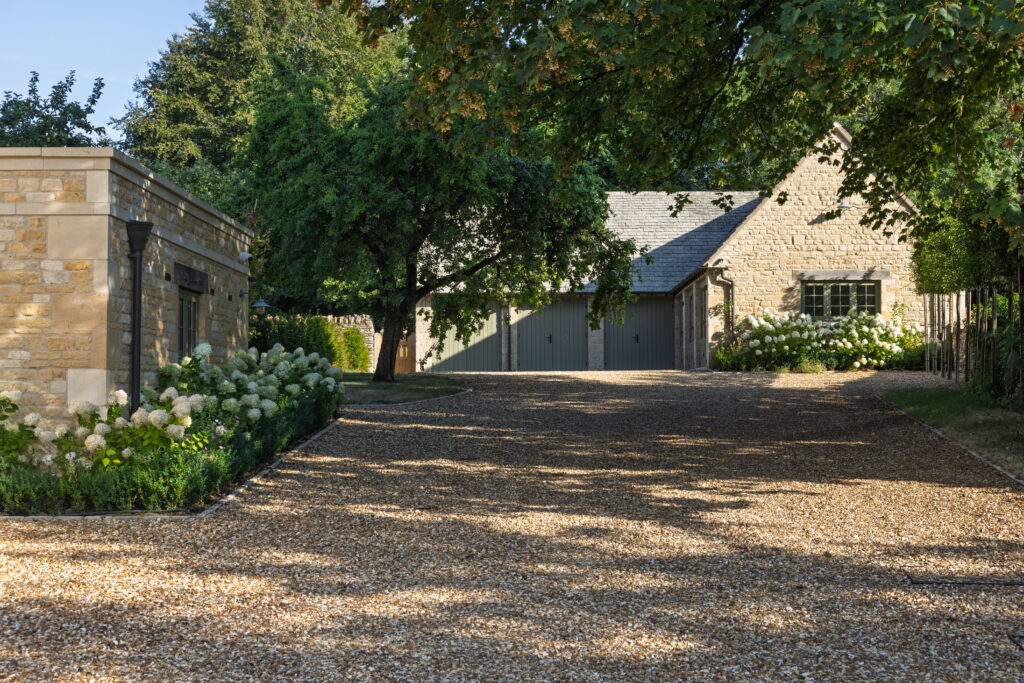
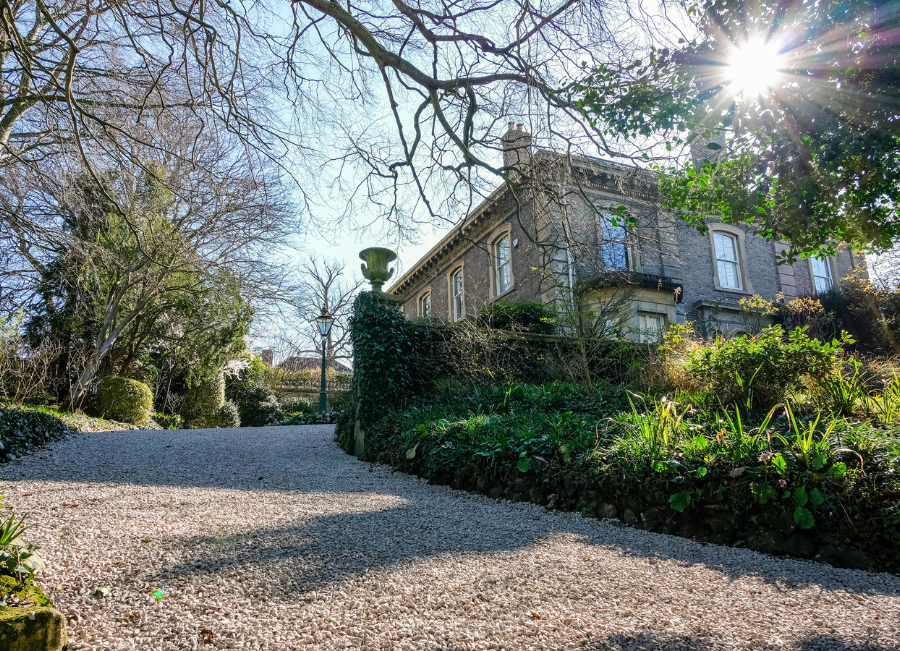
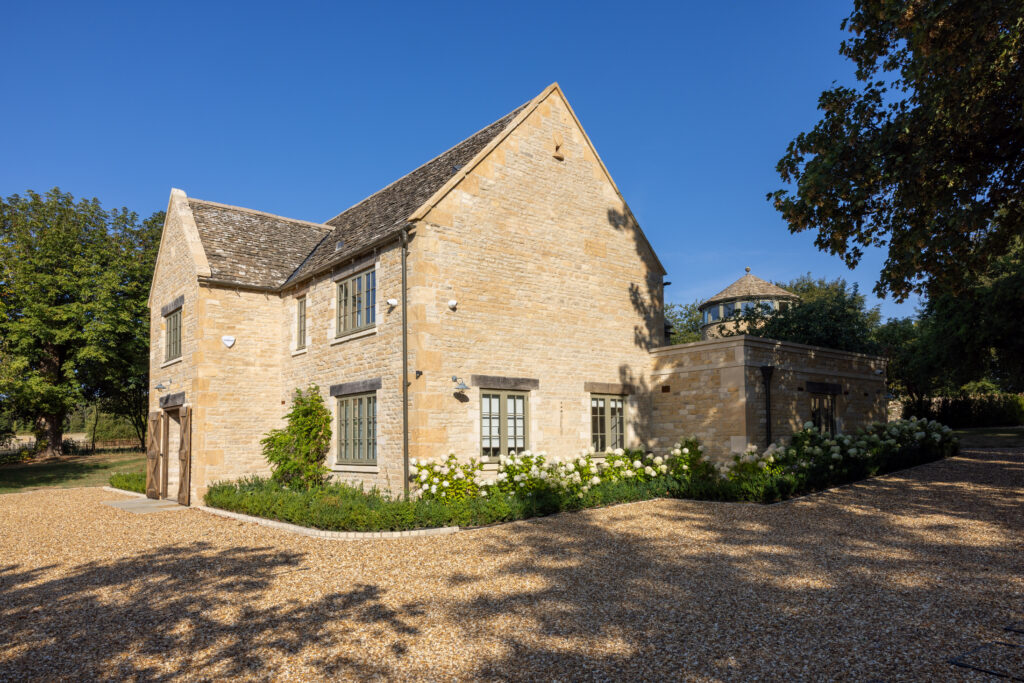
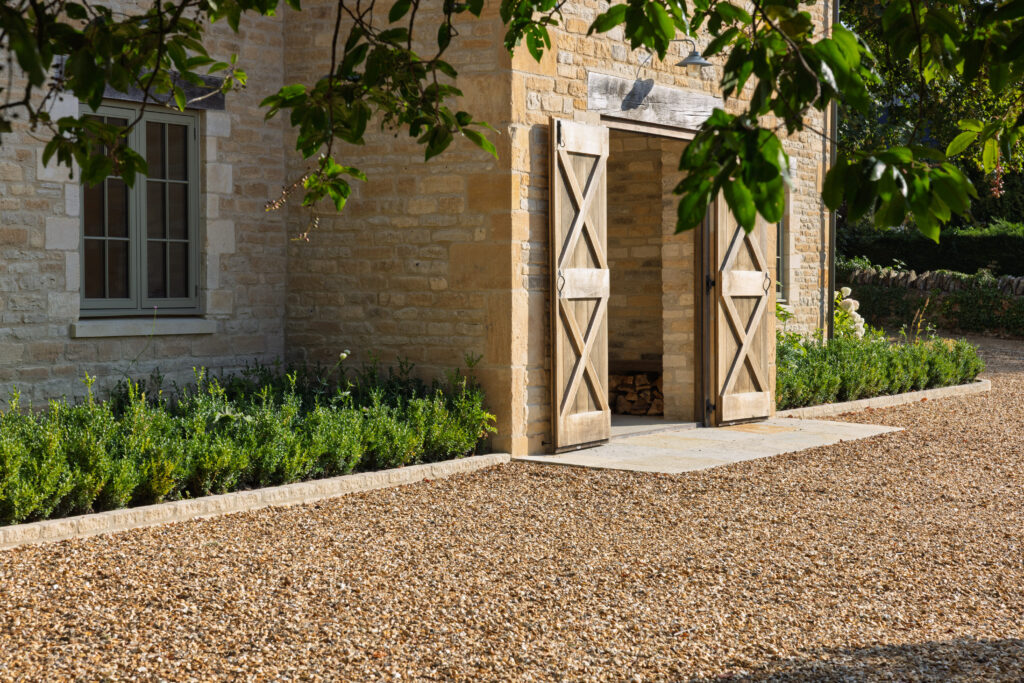
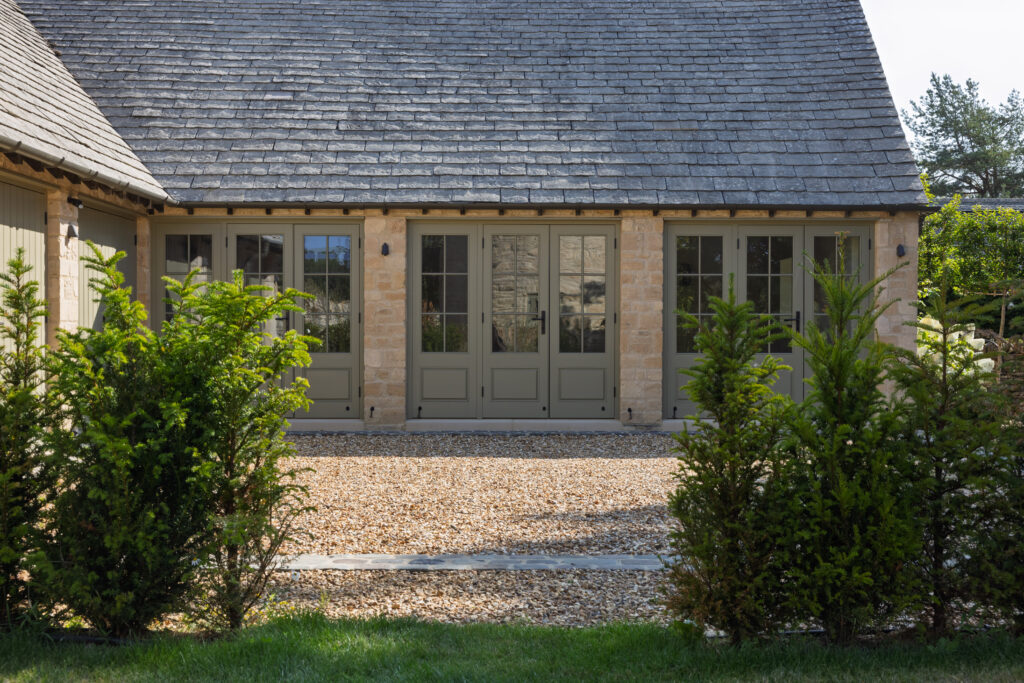
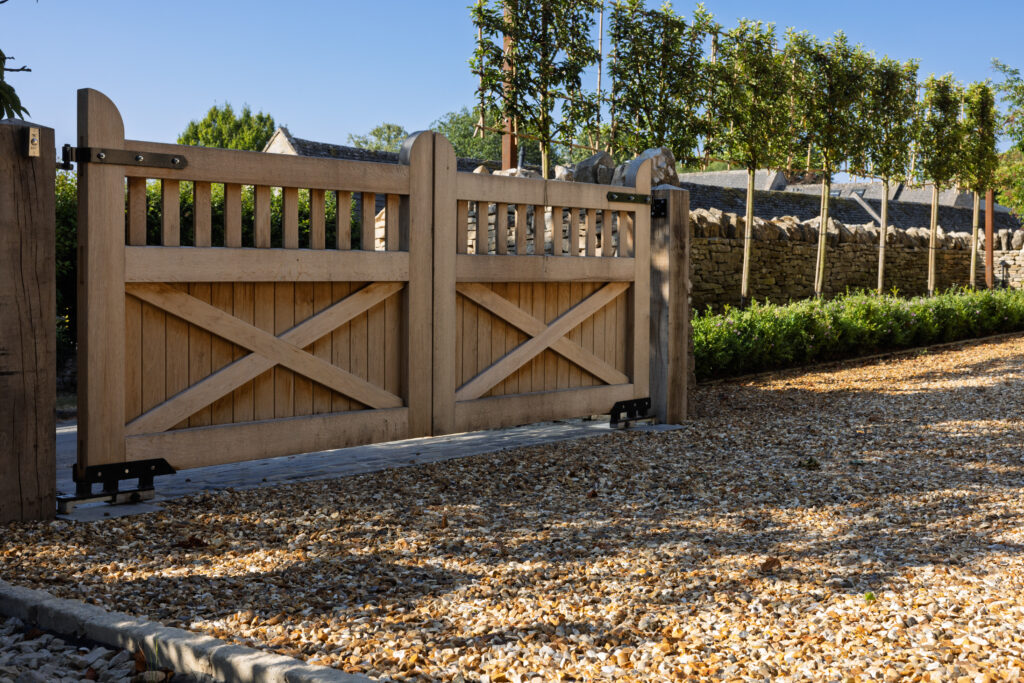
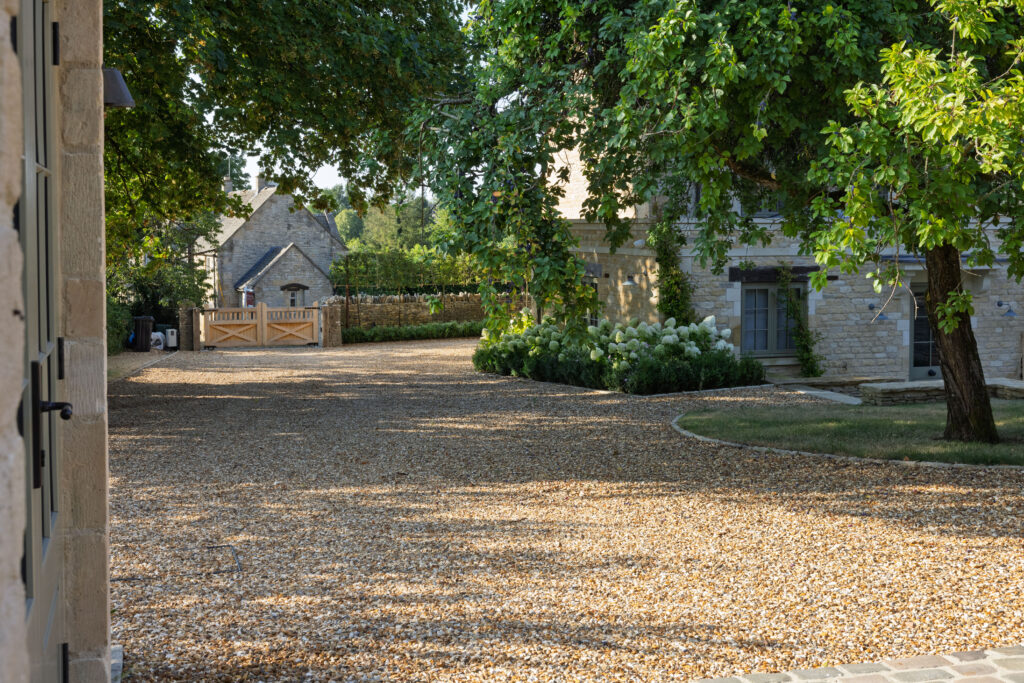
A Cotswolds style country house designed by Yiangou Architects required a driveway surface that would complement its warm limestone walls and traditional dry stone boundaries. Beauxfort worked closely with the project team, including garden designer Harriet Casey, throughout the scheme, providing guidance on the detailing and specification to achieve the desired finish and ensure long-term performance.
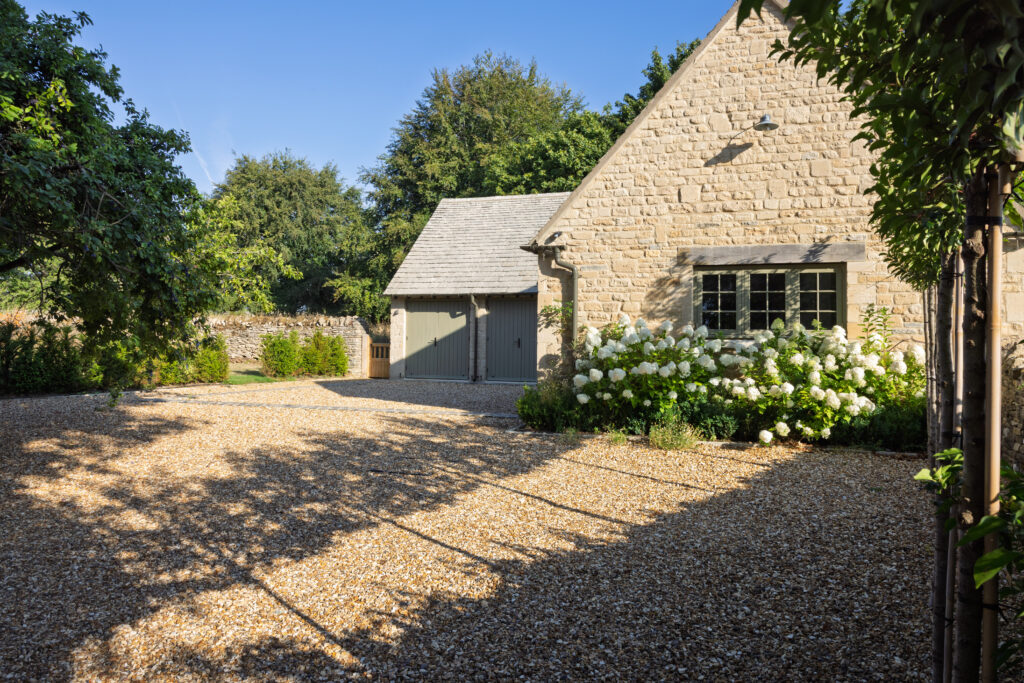
Spanning over 500sqm, the driveway sits on a gradient, making stability a key consideration. Preventing aggregate migration while maintaining a permeable surface was essential, particularly to stop gravel moving downhill and ultimately ending up on the road.
The client wanted a warm toned gravel to match the stonework, initially favouring pea shingle, but also required that the stabilisation system remained completely hidden from view.
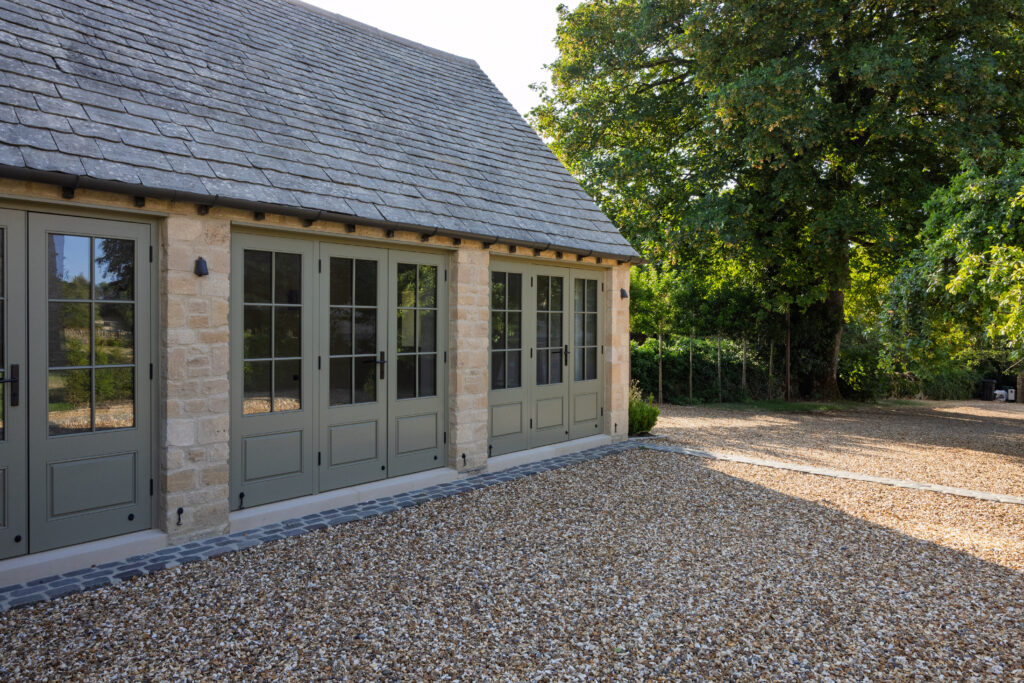
The choice of aggregate was central to creating a driveway that would remain both visually considered and practical over time. An angular aggregate was recommended over pea shingle, providing greater interlock and helping to maintain a consistent surface on the slope. A 20mm Mortimer Flint gravel was selected for its warm, natural tones, complementing the stonework and wider landscape.
Beauxfort also advised on the sub-base and installation to support the long-term durability of the driveway. As part of a high quality landscape scheme, the driveway needed to perform to the same standard as the wider property, ensuring its appearance and practicality would stand up to the demands placed on it for years to come.
“Still can’t believe how it doesn’t show through, especially on the slope.” — Garden Designer
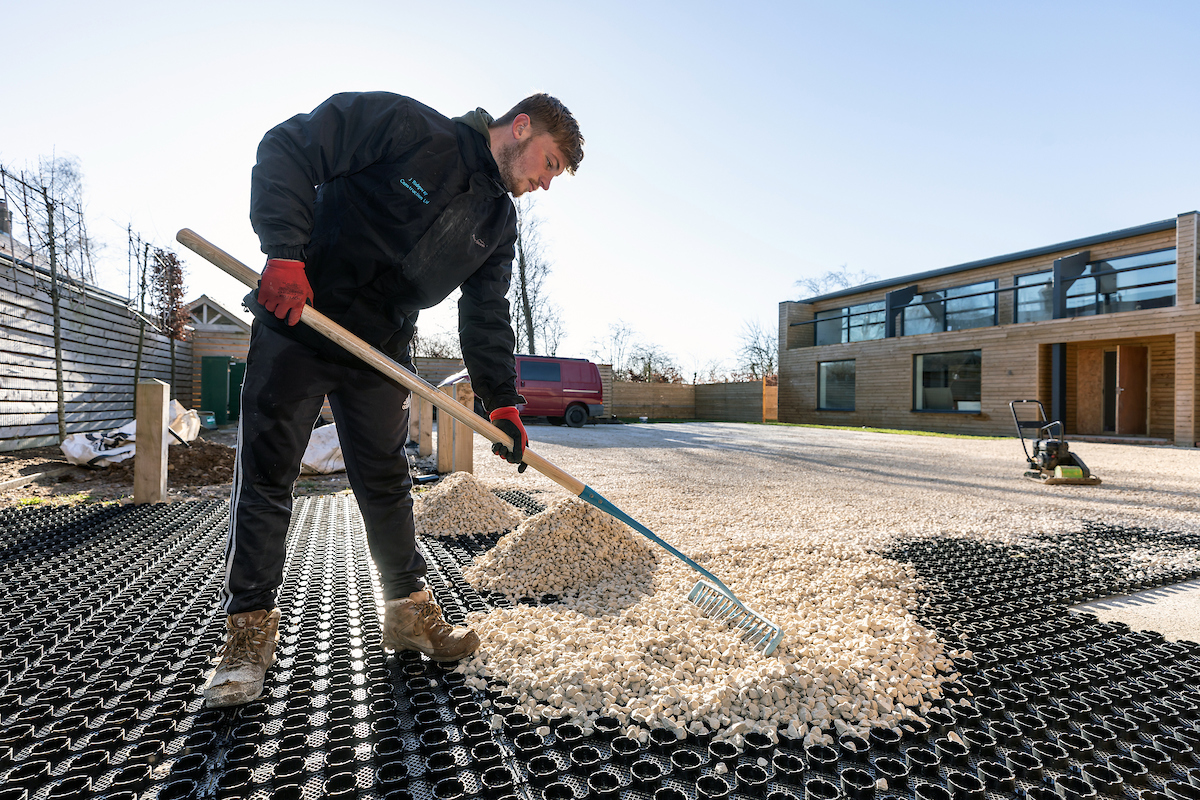
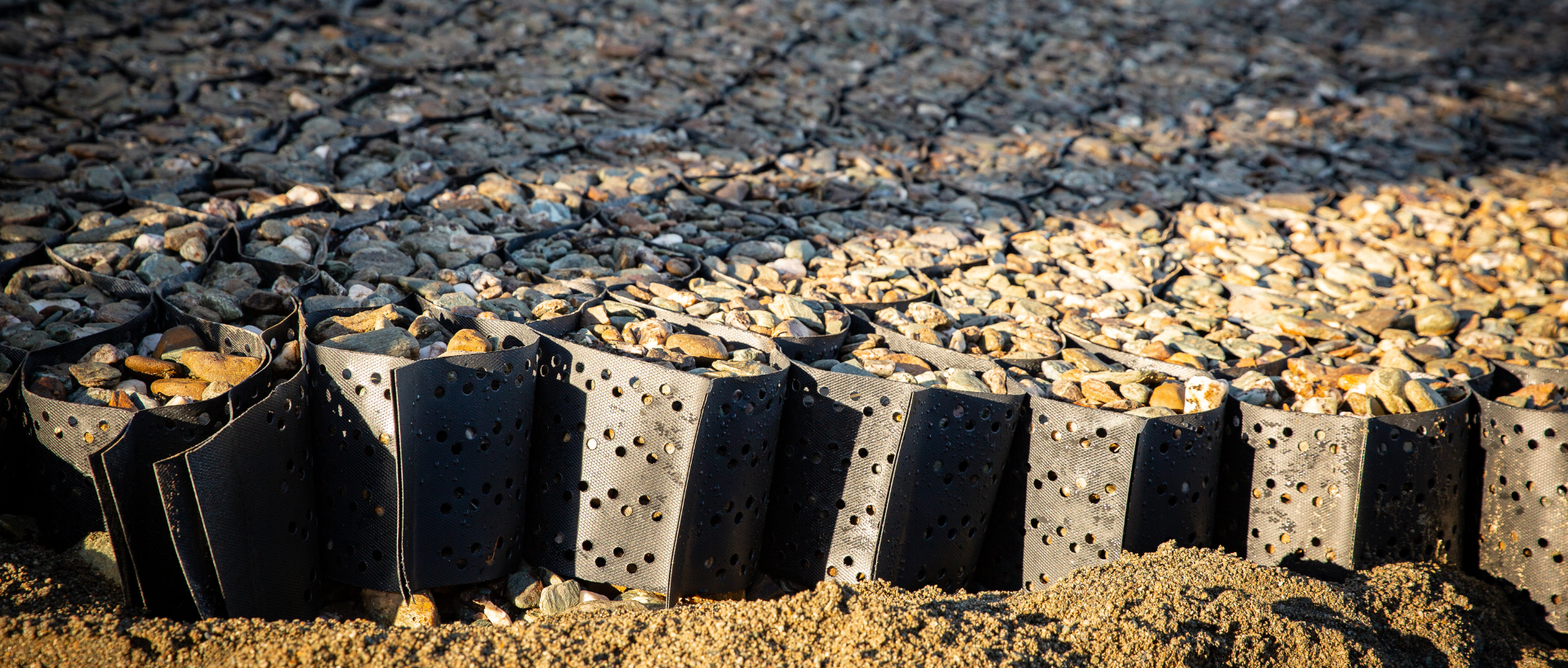
For the design team, achieving a stable gravel surface without the appearance of a visible grid was fundamental. The driveway forms an important connection between the property and its surrounding landscape, so introducing visible plastic would have risked interrupting the natural character of the scheme. Gravelrings provided the stability required on the gradient while remaining concealed beneath the aggregate, allowing the driveway to feel like a natural extension of the landscape rather than a technical intervention.
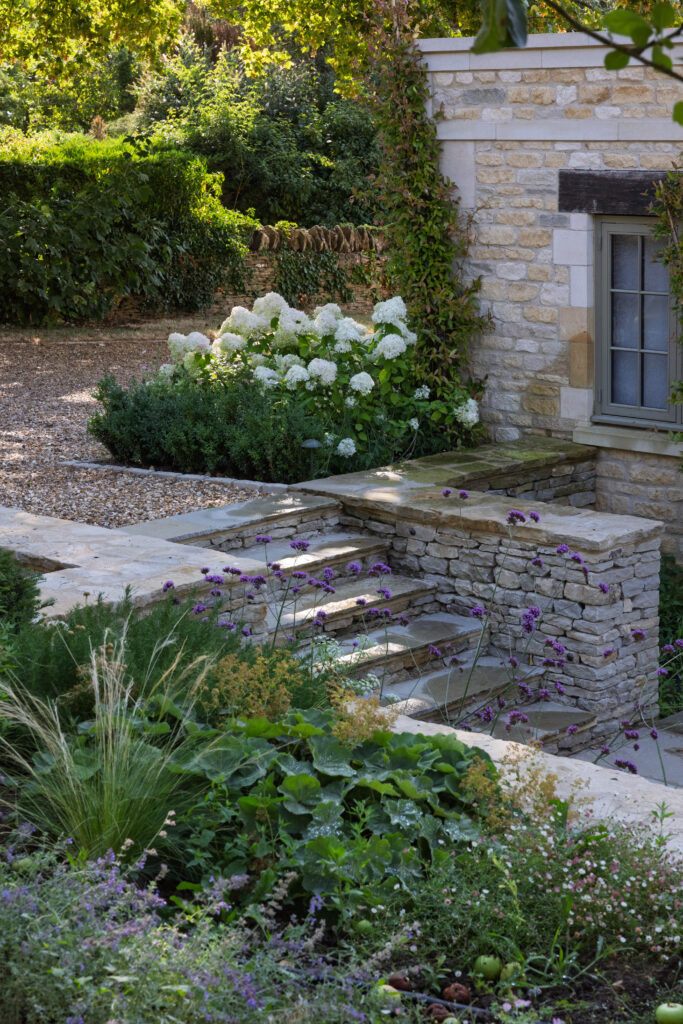
The result is a driveway that delivers the performance required of a large, sloping surface while preserving the quality and character of the original design. By keeping the stabilisation system out of sight, the warm Mortimer Flint aggregate remains the dominant visual element, complementing the limestone, dry stone boundaries and wider setting without compromising on practicality.
Photography: Eleanor Walpole