
Gravelrings
Gravel grid system
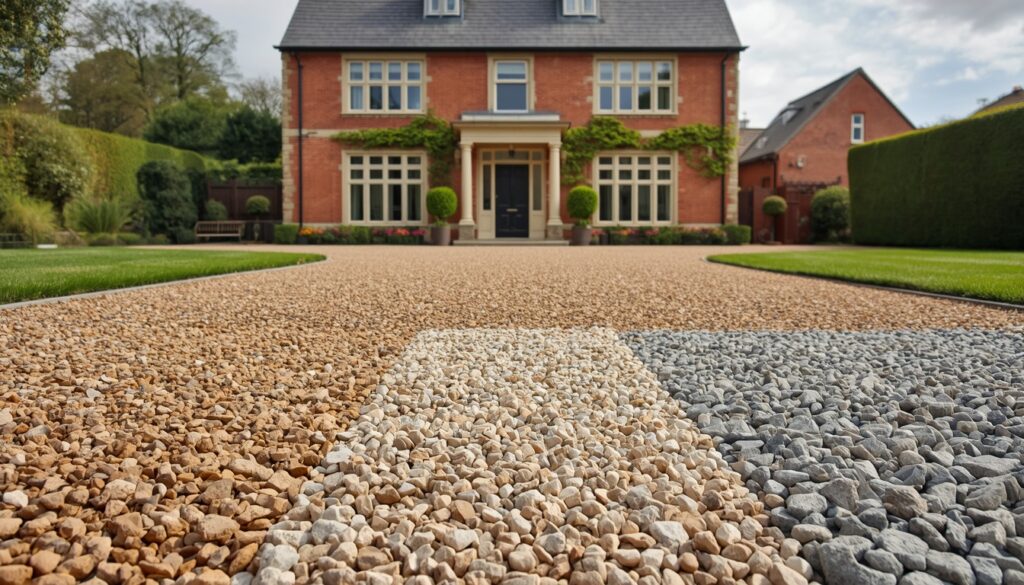
A driveway is often the first thing visitors see, setting the tone before they reach your front door. Choosing the right gravel means balancing two important factors: a colour that complements your property’s architecture and a stone size that performs well underfoot and under tyres.
It’s tempting to choose a gravel sample because it looks attractive on a supplier’s website. However, a colour that looks striking in isolation may appear entirely different when spread across your driveway. Considering appearance and practicality together helps you create a finish that suits your home and performs well in everyday use.
Before browsing gravel colours, look closely at your property’s existing materials. Brickwork, stone, render and roofing provide useful starting points for choosing an aggregate.
These are guidelines rather than fixed rules. Roof tiles, window frames, boundary walls, existing paths and surrounding planting all influence the final result. A warm gravel that complements one red-brick property may look out of place beside another with different roofing or mortar.
Once you’ve considered your property’s materials, narrow your options by colour family.
Warm golden and buff tones create a welcoming, traditional feel and pair naturally with brick and timber. Cream and beige gravels offer a softer appearance, allowing the driveway to complement the house without dominating it. Grey and limestone tones suit contemporary architecture, while darker aggregates create contrast and make the driveway a more defined feature.
Always assess gravel in context rather than judging a small sample alone. A handful of stone rarely reveals how an aggregate will look across a large driveway.
Before making your decision:
The right colour depends on your property’s materials, surroundings and personal preference. There is no single shade that works for every driveway.
Stone size affects comfort, appearance and how well a driveway handles vehicles.
Beauxfort’s Gravelrings gravel retention system recommends angular quarried aggregate between 10mm and 20mm for both standard and Overlay installations. Check the installation guidance for your specific system before ordering.
Very small stones can become trapped in shoe treads and carried indoors, creating extra cleaning. Larger stones may be less comfortable to walk on and more easily displaced by turning tyres. Choosing an aggregate within the recommended size range helps balance appearance with everyday practicality.
Aggregate shape matters, too. Angular quarried stone has an irregular shape that helps individual pieces interlock and resist movement. Rounded or marine-washed gravel can roll and shift more easily underfoot and under tyres. Where Beauxfort’s product guidance specifies angular quarried aggregate, avoid rounded or mixed alternatives.
A driveway used daily by several vehicles has different requirements from a decorative path. Before settling on an aggregate, consider:
Ground preparation, the sub-base and the retention system are just as important as the gravel itself.
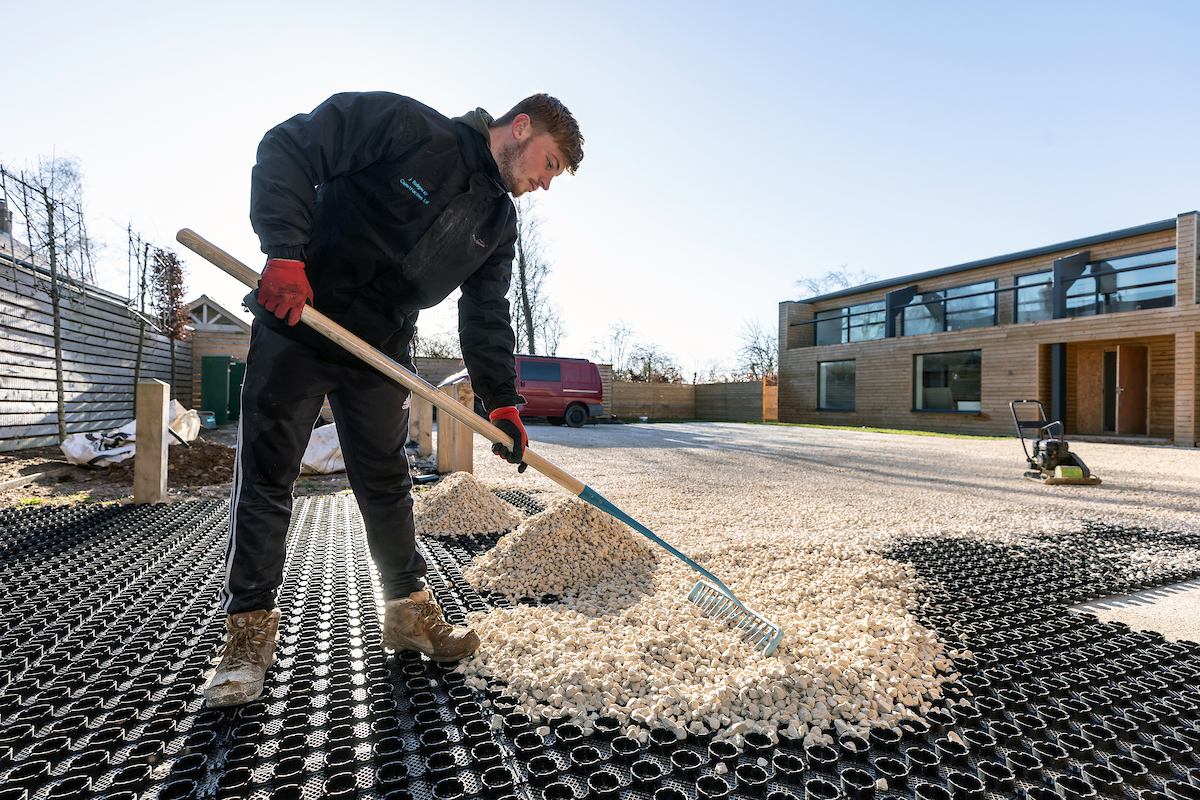
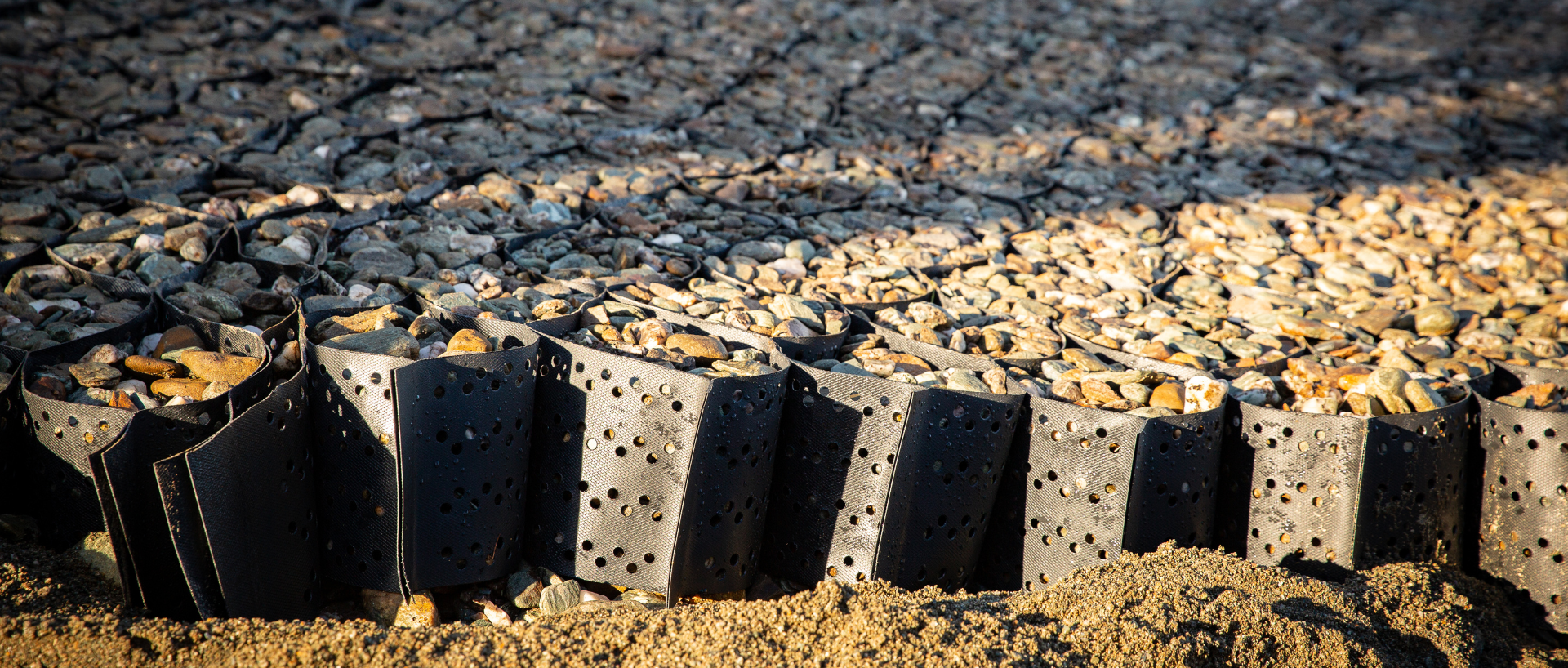
Beauxfort’s Gravelrings system sits beneath the surface to help stabilise suitable aggregate and reduce stone migration. It supports your chosen finish rather than dictating its colour or style, helping the driveway retain its intended appearance.
For further guidance on preparation and installation, read Beauxfort’s guide to choosing and installing a gravel driveway.
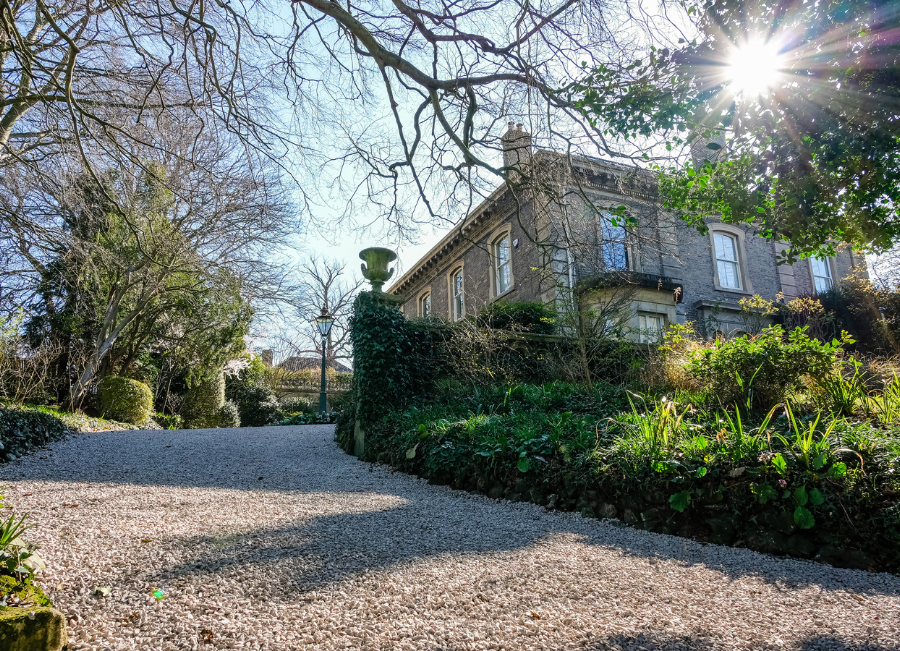
Real projects also demonstrate how architecture and surroundings influence gravel choices. At Willow Wood Farm in the Cotswolds, Yorkshire Cream gravel complements Cotswold stone tones, creating a warm, understated arrival. At a contemporary riverside home in Devon, warm golden gravel complements the surrounding landscape while meeting the practical demands of a flood-sensitive site.
Both examples illustrate how different finishes can work when chosen to suit the property’s architecture and setting.
Edging does more than tidy a driveway’s outline. It defines the space and creates a clean transition between gravel, lawns, planting beds, paving and walls. A well-chosen border also helps the gravel colour look deliberate and cohesive.
Beauxfort’s Graveledge edging system offers rigid and flexible profiles for straight runs and curved layouts. A crisp edge can reinforce the architectural lines of a traditional property or complement the sweeping curves of a contemporary garden.
Consider the surrounding landscape when selecting edging, too. Coordinating the border with existing paving, garden features and boundary materials helps create a unified finish.
Before placing an order, work through this practical checklist:
Taking time to assess samples properly can help prevent costly mistakes. It also makes it easier to choose a gravel that complements your home throughout changing weather and lighting conditions.
Choosing gravel that suits your property means balancing colour, stone size, intended use and proper ground preparation. When these decisions work together, the result is a driveway that looks intentional and performs reliably over time.
Beauxfort’s Gravelrings gravel retention system helps keep suitable aggregate in place, supporting the finish you’ve carefully selected. Explore Beauxfort’s project case studies for inspiration, or contact the team for advice on choosing a suitable system for your site.